
Morocco’s 115,000-seat Hassan II Stadium emerges as a major 2030 World Cup ambition
Morocco is pressing ahead with plans for one of the world’s largest football venues, with the Grand Stade Hassan II in Benslimane expected to be completed in early 2028. The 115,000-capacity stadium is being positioned as a centrepiece of the country’s preparations for the 2030 FIFA World Cup, which Morocco will co-host with Spain and Portugal.
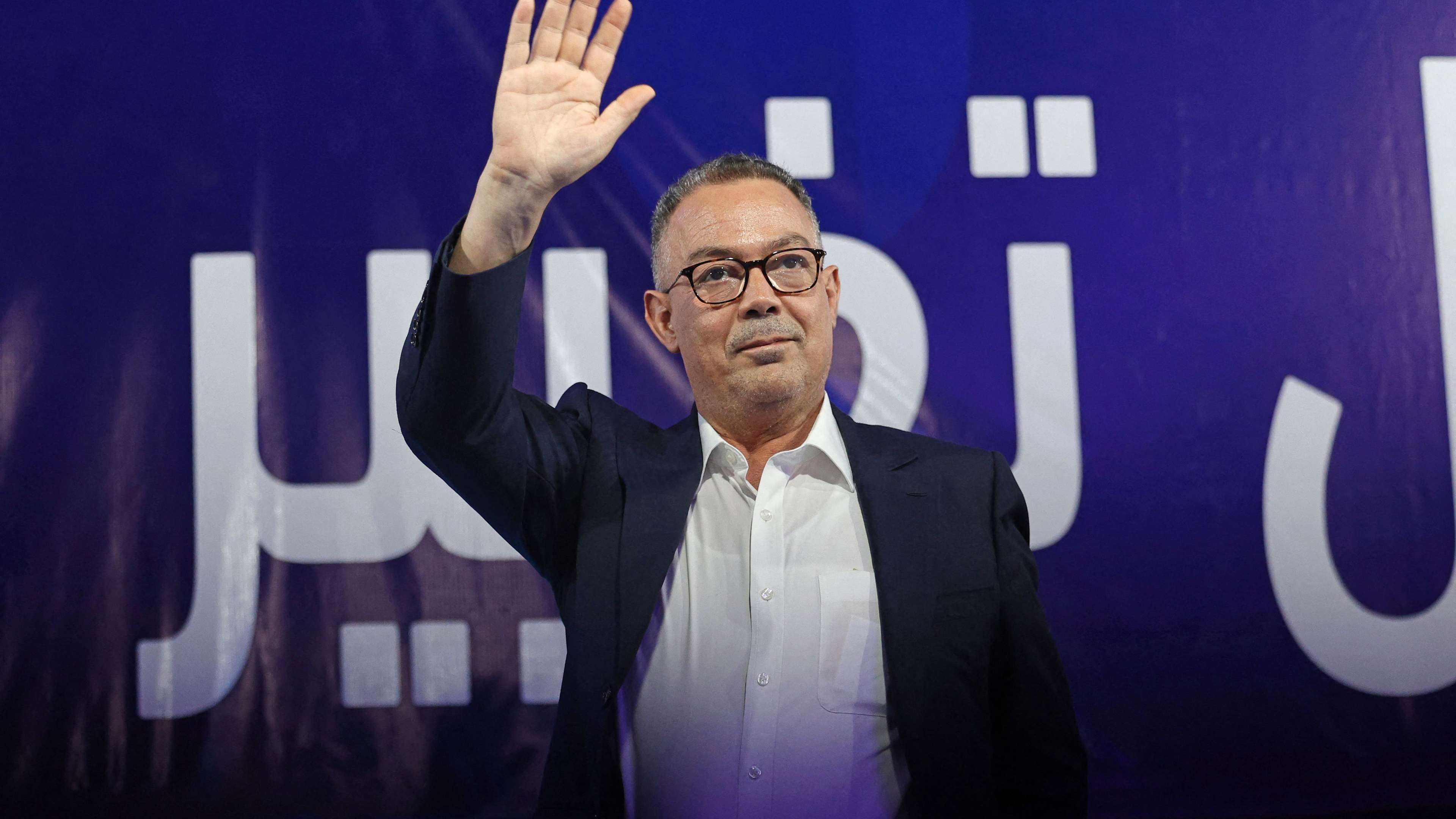
Fouzi Lekjaa, president of the Royal Moroccan Football Federation, shared the latest project outlook during an appearance on Moroccan television programme Saat Al-Saraha on 2M. He described construction progress as encouraging and said the stadium’s purpose would extend well beyond hosting matches. In Morocco’s broader vision, the project is part of a major transformation of Greater Casablanca, linking a landmark sports venue with expanded transport and urban infrastructure.
A stadium designed to reshape Greater Casablanca
With room for 115,000 spectators, the Hassan II Stadium would rank among the largest football stadiums in the world. Its scale is central to Morocco’s ambitions, but Lekjaa has stressed that capacity alone does not define the project. The stadium is planned as one element in a wider development strategy intended to improve connections and reorganise urban growth across the Casablanca region.
Transport improvements are expected to accompany the construction, including upgrades to regional rail links and the development of high-speed rail infrastructure. Better connections could help supporters travel to major matches while also serving residents and businesses beyond the tournament. The long-term value of such projects will depend on how effectively they are integrated with local transport, housing and public services.
“The Hassan II stadium will contribute to restructuring the urban space of Greater Casablanca,” Lekjaa said, adding that the region would look different in the years ahead. That ambition reflects a wider trend in World Cup planning: host cities increasingly present large stadiums as catalysts for development, rather than facilities used only during a few weeks of competition.
Early 2028 target offers time for testing
Lekjaa expects the stadium to be ready in early 2028, around two years before the 2030 World Cup. If that timetable is met, Morocco would have a valuable period to test the venue, its pitch and its operations before welcoming international teams and supporters.
That lead-in time matters. A stadium of this size requires careful preparation, from crowd management and security to transport access, broadcasting systems and match-day services. Hosting events before the World Cup would allow organisers to identify practical issues and make adjustments well ahead of the tournament.
The Moroccan national team could play at the stadium before the global competition, giving players and staff an opportunity to become familiar with the ground. Casablanca clubs, including Wydad and Raja, may also benefit from access to the venue, while concerts and other large-scale events could help keep it active throughout the year. “It is good for the national team to play in this stadium before the World Cup,” Lekjaa said.
For local football supporters, the prospect of seeing domestic and international matches at a venue of this scale is an appealing one. However, the stadium’s long-term success will depend not only on its headline capacity, but also on affordability, accessibility and a sustainable programme of events after the World Cup has ended.
Morocco makes its case to host the 2030 World Cup final
The stadium’s size has also placed it at the centre of speculation about where the 2030 World Cup final could be played. Morocco is competing for the tournament’s most prominent match as it prepares to share hosting responsibilities with Spain and Portugal. No final decision on the venue has been confirmed, and the final fixture allocation remains a matter for the tournament organisers.
Lekjaa argued that the final should be awarded to the stadium with the greatest capacity, and said the Hassan II Stadium currently has a strong claim on that basis. A crowd of up to 115,000 would create an imposing setting for the closing match and offer a powerful visual backdrop for a tournament expected to attract a global audience.
Capacity, however, is only one factor in a World Cup final decision. Organisers also consider stadium readiness, transport, accommodation, security, broadcast requirements and the wider tournament schedule. Morocco’s case will therefore depend on delivering the venue to a high standard and demonstrating that the surrounding infrastructure can comfortably support an event of exceptional scale.
A centenary tournament with a wider message
The 2030 World Cup will mark 100 years since the first men’s tournament, giving the event significance beyond football. Lekjaa referred to the broader cultural and humanitarian meaning of the joint bid, recalling the announcement by King Mohammed VI in Kigali that Morocco would host the tournament alongside Spain and Portugal.
The three-nation partnership brings together countries on both sides of the Mediterranean and across neighbouring regions. Its supporters have presented the event as an opportunity to strengthen shared history, encourage cultural exchange and bring younger generations together. That message adds another dimension to a tournament that will also require close coordination across borders, including on travel, logistics and match scheduling.
For Morocco, the Hassan II Stadium is both a sporting landmark and a statement of intent. Its planned completion in early 2028 would give the country time to stage test events and refine its preparations before 2030. Whether it ultimately hosts the World Cup final remains uncertain, but its capacity and role in the Greater Casablanca development plan have already made it one of the most closely watched projects in international football.
Prediction: If construction stays on schedule and the surrounding transport links are delivered as planned, the Hassan II Stadium could become a compelling contender for the 2030 final. The decision will ultimately depend on more than seating numbers, but Morocco’s proposed venue gives the co-host a striking foundation for its case.