
Egypt Media Council Bars Hossam Hassan From Media Appearances
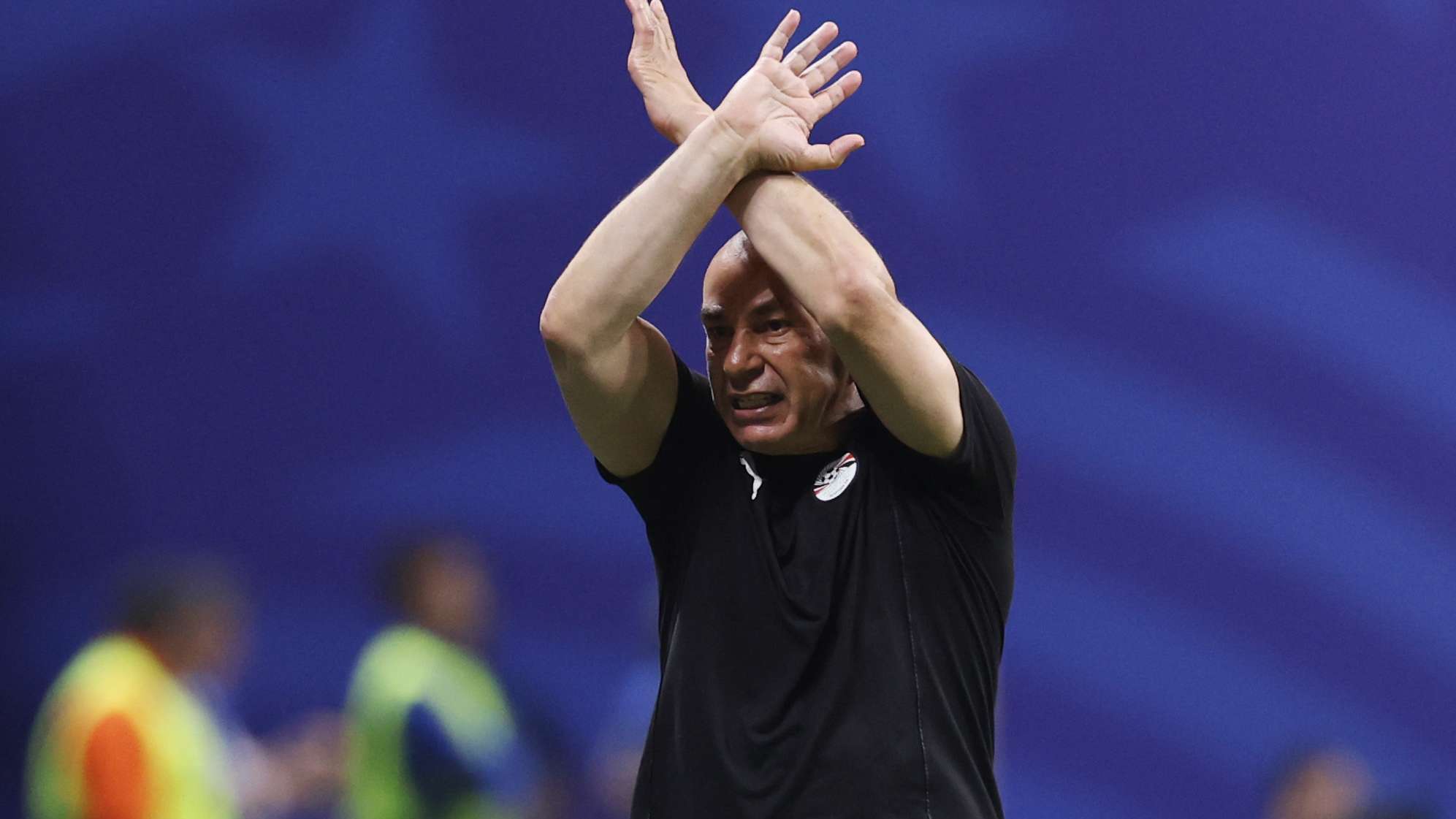
Egypt’s Supreme Council for Media Regulation has prohibited national football team head coach Hossam Hassan from appearing on media outlets covered by the country’s Press and Media Regulation Law No. 180 of 2018. The decision took effect immediately, as the council moved to limit further coverage of a dispute involving the coach and his former wife, Dan Adam.
Alongside the restriction, the council said it had called in legal representatives of several websites for hearings over alleged violations of rules protecting citizens’ private lives. It warned that further breaches could lead to strict legal action, including the renewed publication or circulation of reports connected to the matters addressed in its statement.
Why the Council Intervened
The ruling follows weeks of controversy surrounding Hassan, whose private dispute with Adam has attracted extensive attention across Egyptian media and online platforms. Mutual accusations and repeated coverage of the pair’s personal affairs prompted concerns about whether reporting had crossed the line between legitimate public interest and intrusion into private life.
The council’s action addresses two related issues: Hassan’s appearances on regulated media outlets and the continued spread of news about the dispute. By restricting interviews and other media appearances, the regulator appears to be seeking to prevent the controversy from being amplified through further public exchanges. Its warning to websites also signals that online publishers may face scrutiny if they continue to circulate material concerning the case.
Privacy Rules and Media Responsibilities
In its statement, the Supreme Council for Media Regulation emphasized that respect for citizens’ private lives must remain a central responsibility for journalists, broadcasters and digital publishers. The warning applies not only to the original publication of sensitive material but also to its republication and circulation across other platforms.
That distinction matters in a fast-moving media environment. A report can quickly be copied, quoted or shared through social networks, extending its reach long after it first appears. The council’s statement makes clear that repeating or redistributing information related to the dispute could also draw regulatory attention, particularly if authorities believe the material violates privacy protections or media standards.
The hearings involving the websites’ legal representatives will give the regulator an opportunity to address the alleged breaches directly with the publishers. The council has not, in the information provided, detailed the specific content at issue or announced penalties against those outlets. However, its warning indicates that it expects media organizations to take the matter seriously and avoid further publication of related material.
What the Decision Means for Hassan and Egyptian Football
Hassan’s role gives the ruling added significance. As head coach of Egypt’s national football team, he is a prominent public figure whose comments and decisions are often followed closely by supporters. His work is also connected to one of the country’s most visible sporting institutions, meaning that developments involving the coach can quickly become a major topic of public discussion.
The restriction, however, concerns appearances on media outlets governed by Law No. 180 of 2018. The council’s statement does not say that Hassan has been removed from his coaching position or that his football responsibilities have changed. Nor does it provide a timeline for how long the ban will remain in place. For now, the immediate effect is a limit on his participation in regulated media coverage.
That could shape how supporters receive updates about the national team. Coaches typically use interviews and press conferences to discuss squad selection, preparation, tactics and expectations before major fixtures. If Hassan is unable to appear on covered outlets, football reporters and fans may have fewer opportunities to hear directly from him, depending on how the restriction is applied in practice.
At the same time, the council’s intervention underscores that a coach’s public profile does not remove the expectation of privacy. The episode highlights a broader challenge for sports media: audiences want access to prominent figures, but coverage of personal disputes can move beyond football analysis and into sensitive territory.
Public Interest Versus Private Life
Stories involving well-known people often attract attention because of their connection to sport, entertainment or public life. Yet prominence alone does not make every personal detail relevant to the public. The council’s position is that media organizations must respect legal protections and avoid turning private disagreements into repeated public spectacle.
For publishers, the case is a reminder to assess both the source and the public value of information before publishing it. Reporting on a matter with a clear impact on a person’s professional duties may be different from circulating allegations that concern only private relationships. Editors and legal teams may also need to consider whether republishing material adds meaningful context or simply increases the exposure of sensitive claims.
For readers, the situation is also a prompt to approach unverified claims with caution. Online discussions can blur the difference between confirmed information, allegation and speculation. The council’s warning does not establish the truth of claims made by either party; rather, it focuses on media conduct and the handling of private matters.
What Happens Next?
The immediate next step is the council’s engagement with the legal representatives of the websites it summoned. The regulator has threatened strict measures if the rules are breached again, but further details about possible sanctions or the duration of Hassan’s media restriction have not been announced in the statement described.
For Egyptian football followers, the key question is whether the decision will affect the flow of information ahead of upcoming national team commitments. Any prediction about its longer-term impact remains uncertain until the council clarifies how the restriction will operate and whether it will be reviewed. What is clear is that the regulator has drawn a firm boundary: coverage of the dispute should not continue in a way that violates privacy rules.
The case therefore reaches beyond one coach or one media controversy. It places the balance between public interest, personal privacy and responsible reporting back in focus. As the situation develops, both sports outlets and general news publishers will be expected to follow the council’s direction while keeping football coverage centered on the team, its performances and its preparation for future fixtures.