
José Mourinho’s Real Madrid Reinvention Sparks a Six-Game Winning Run
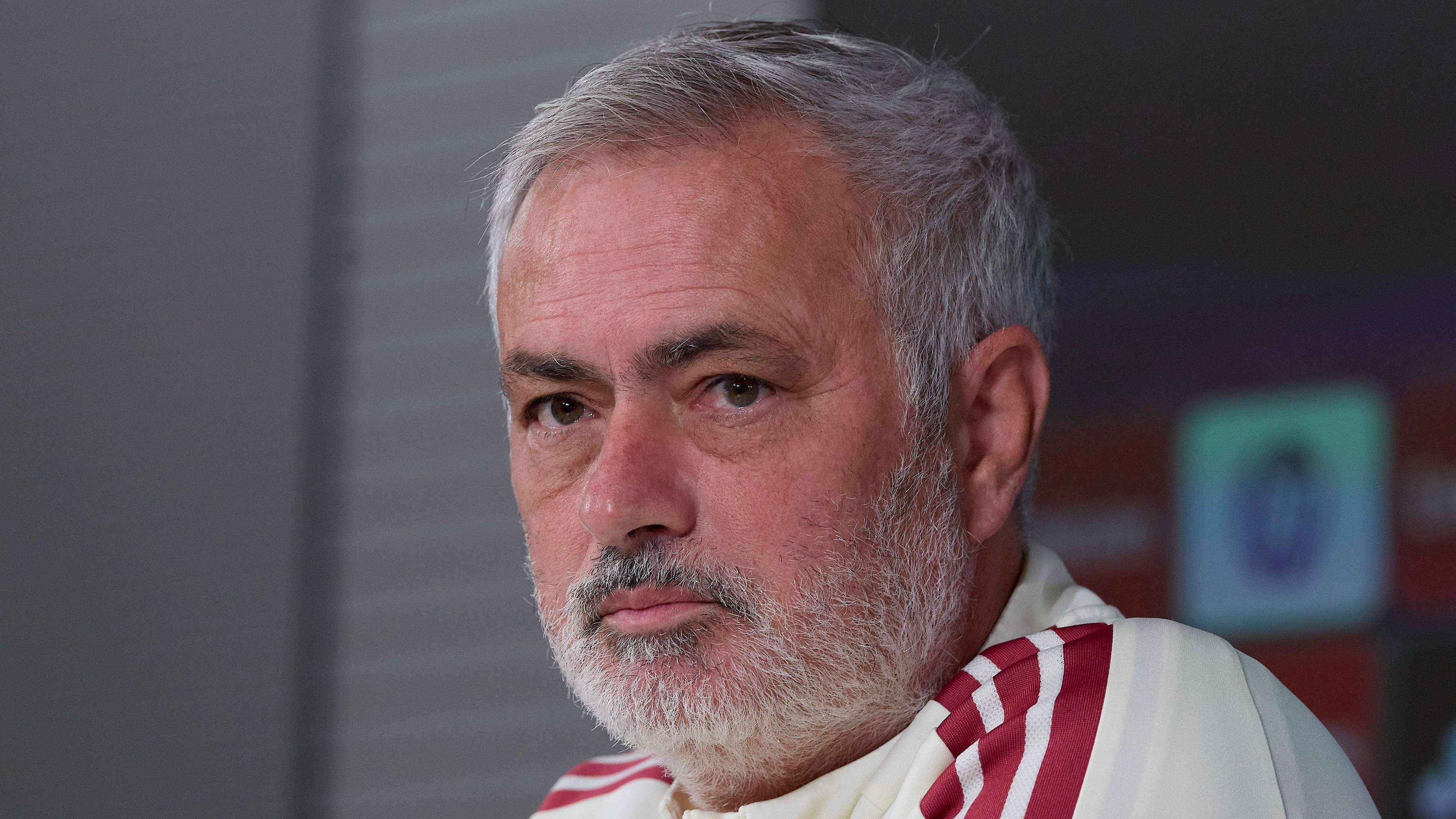
Real Madrid have found a new rhythm under José Mourinho, and the change has been reflected in both their performances and results. After reshaping his original tactical plan, the Portuguese coach has guided the team to six consecutive victories. Among Europe’s leading sides, only Paris Saint-Germain, with a run of nine straight wins, have put together a longer sequence.
The winning streak has lifted the mood around the Spanish giants, but Mourinho is keeping expectations in check. As Marca reported, he has warned against treating a strong run as proof that every problem has been solved. “When you win, everything looks better than it really is,” he said—a reminder that the coach remains focused on building consistency rather than celebrating too early.
That caution has not stopped him from making bold changes. Mourinho has adjusted his formation, reassigned key players and moved away from combinations that once seemed central to his team. The result is a Real Madrid side with a noticeably different balance: more flexible in possession, more collaborative in attack and increasingly difficult for opponents to predict.
Valverde’s Right-Back Role Shows Mourinho’s Priorities
One of the most striking decisions has been Mourinho’s use of Fede Valverde at right-back, even though specialist options such as Denzel Dumfries and Trent Alexander-Arnold are available. The choice followed a turning point in the coach’s thinking after Roma scored their third goal at the Olympic Stadium, prompting him to rethink how the team should defend and transition into attack.
“I do not like it, in fact it pains me, but I put the interest of the team first,” Mourinho said of Valverde’s role. The decision is tactical, but it also highlights the coach’s authority and the level of trust he expects from his players. Valverde is being asked to sacrifice a more familiar midfield position for the sake of the team’s overall structure.
The change is especially notable given the Uruguayan’s reaction last season, when he objected to being used at full-back after Xabi Alonso asked him to cover for the injured Dani Carvajal and Alexander-Arnold. Valverde said then that he had not been born to play in defence. His public attitude has since shifted. He now says he is ready to play wherever the coach needs him, a response that reflects both his professionalism and the improved understanding Mourinho says has developed within the squad.
A New Midfield Formula Creates More Attacking Options
Another important adjustment has been the end of the dependable holding-midfield partnership between Valverde and Aurélien Tchouaméni. The pair offered protection, but Mourinho’s revised approach appears designed to give Real Madrid more variety and creativity when they have the ball.
Arda Güler and Bernardo Silva have become central to that plan, helping connect midfield with the forwards and create chances through movement and intelligent passing. Rather than relying on a rigid structure, Madrid are finding ways to progress the ball through different channels. That flexibility can make the team harder to contain, particularly against opponents who attempt to press aggressively or crowd the centre of the pitch.
The shift also changes the demands on Real’s attackers. With more players involved in creating opportunities, the team’s success is becoming less dependent on one individual producing a moment of brilliance. For Mourinho, that collective contribution appears to be a key part of the improvement—and a useful measure of whether the new system can last beyond a short winning streak.
Diomande’s Rise Puts Vinícius Júnior Under Pressure
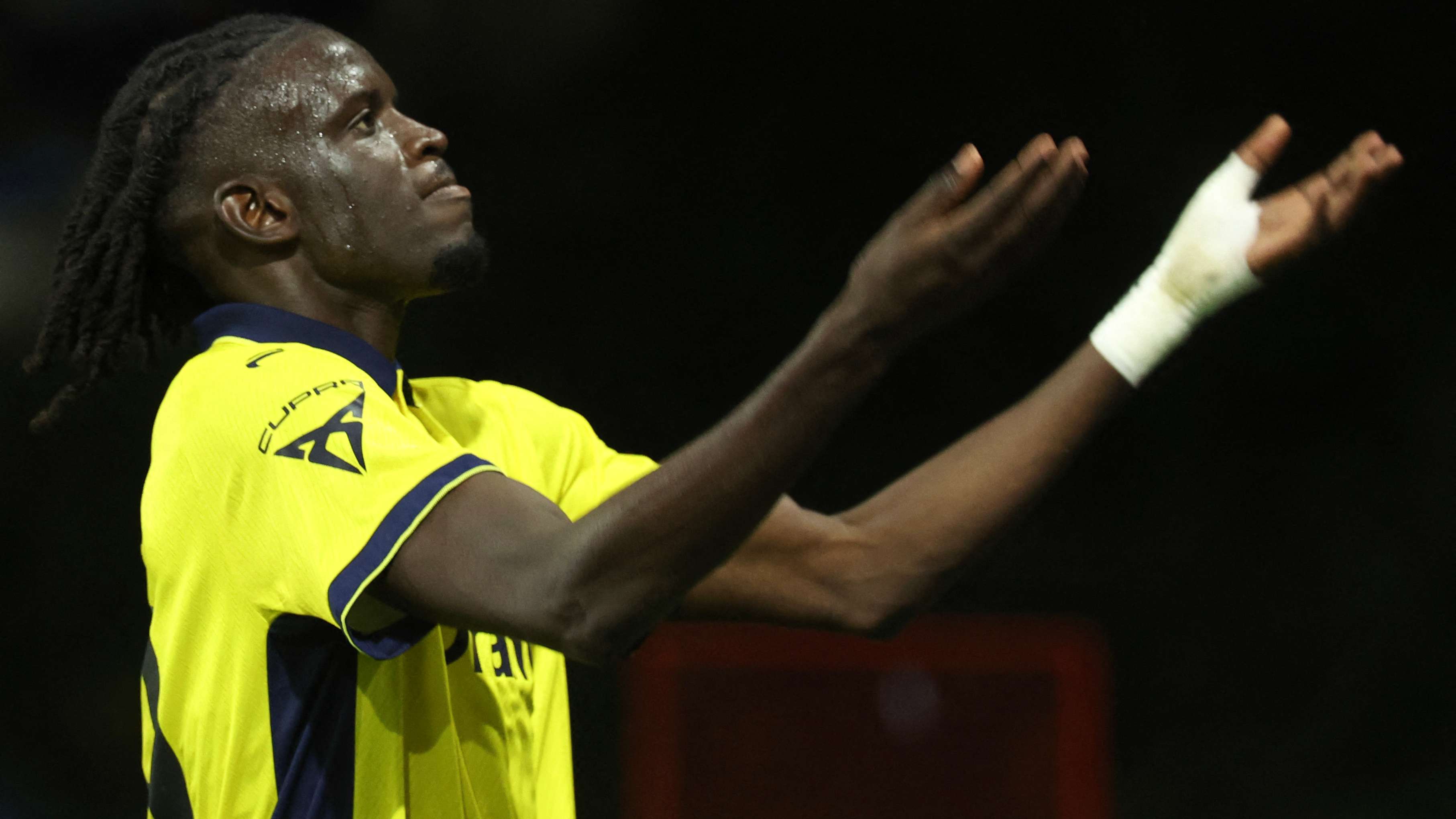
Yan Diomande has emerged as one of the clearest beneficiaries of the team’s revival. His presence has brought a more collective feel to Madrid’s attack, while his directness and finishing have made him a serious option on the left flank. The Ivorian has scored four goals, compared with one for Vinícius Júnior, giving Mourinho a compelling reason to keep Diomande in the side.
Those numbers do not settle the debate over which player is more valuable. Vinícius remains one of the world’s most dangerous forwards, capable of changing a match with pace, dribbling and individual creativity. But the competition has become real. Diomande is not simply filling a gap; he is making a case for regular selection through his output and his contribution to the team’s wider attacking play.
Vinícius is expected to return to action in Athens, where Real Madrid face AEK in the Champions League on November 5, 2026. His comeback will attract considerable attention, but it also carries a challenge: he must show that his individual qualities can strengthen a side whose collective approach is currently producing results.
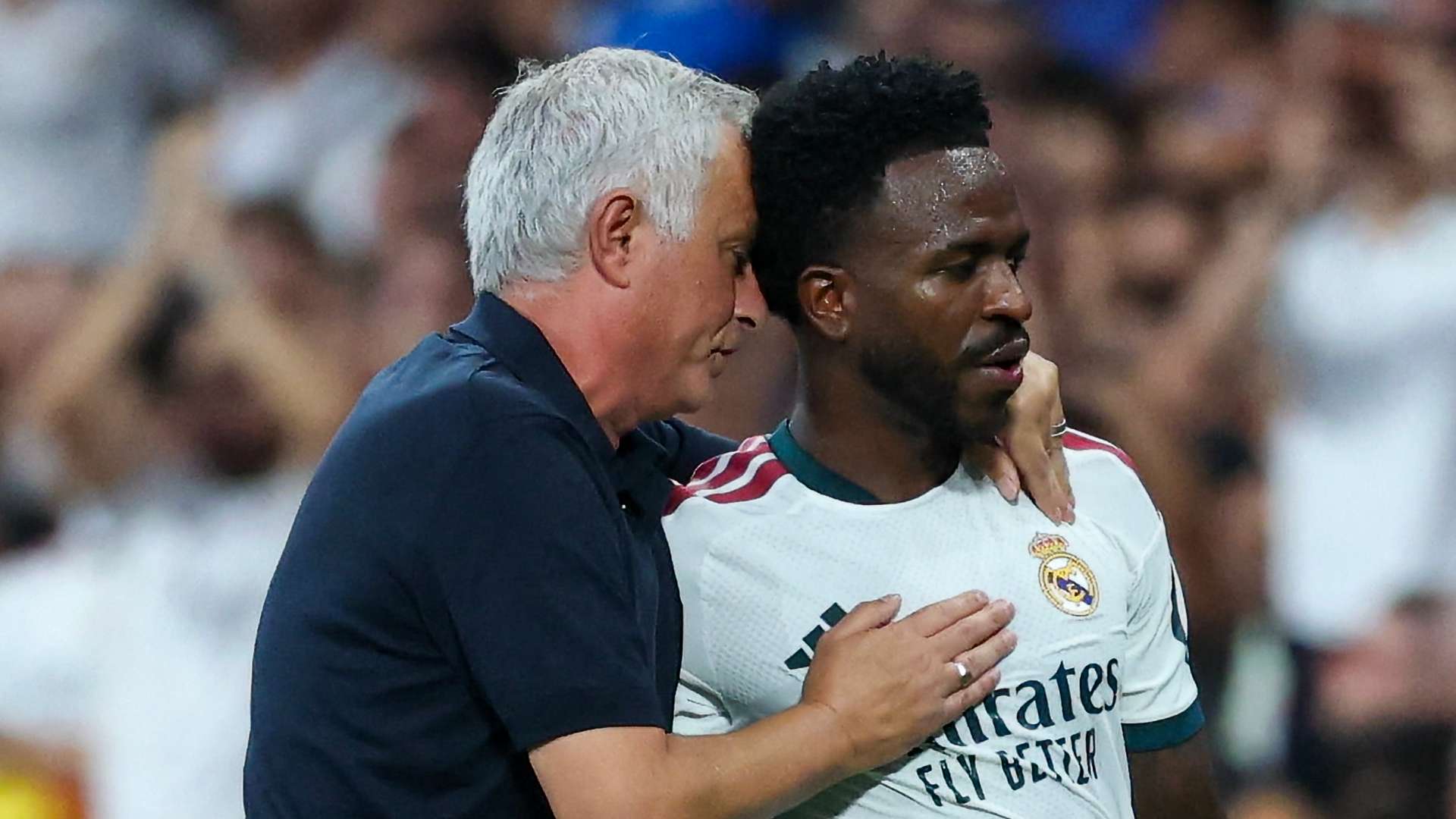
Mourinho has continued to offer support to the Brazilian, yet selection will ultimately depend on what best serves the team. At present, Diomande appears to have the advantage on the left. Vinícius will need to respond with performances that restore his place in the starting XI and demonstrate that his influence can fit within Madrid’s evolving system.
Camavinga and Endrick Return to the Picture
Mourinho’s changes extend beyond the starting line-up. Eduardo Camavinga and Endrick have been brought back into the coach’s plans after appearing to fall out of the immediate picture. Their renewed involvement gives Madrid additional options, particularly as fixtures accumulate and the squad must manage the demands of domestic and European competition.
Their return could also influence Mourinho’s selection for the AEK match. The coach has indicated that the relationship between the squad and his staff has improved as both sides have learned to understand one another. “There is a mutual understanding between the coach and the players. We have come to understand each other in matters we did not understand at the start,” he said.
That growing trust may help explain why players are now adapting more readily to unfamiliar roles and changing responsibilities. A successful football team needs more than a strong starting eleven; it needs players who can accept tactical adjustments and contribute when called upon. Mourinho’s challenge is to maintain that unity while keeping competition for places healthy.
Real Madrid’s Winning Run Raises the Stakes
The atmosphere around the team appears to have changed alongside the results. Cadena SER reported that Real Madrid players lifted Mourinho onto their shoulders in the dressing room at the Camp Nou, a striking sign of the connection developing between coach and squad. Such scenes do not guarantee future success, but they suggest that the players are responding to his methods.
For supporters assessing the team’s next step, the key question is whether this new approach can deliver consistency against different styles of opposition. The upcoming Champions League fixture against AEK offers another test, while also giving Mourinho a chance to rotate and assess his returning players.
Any football prediction about Real Madrid’s season should therefore account for more than the six consecutive wins. The team has gained momentum, but it is also navigating a significant transition: Valverde has a new role, the midfield has been reconfigured, Diomande is challenging Vinícius, and Camavinga and Endrick are back in contention. If those changes continue to serve the collective, Madrid may have found a more adaptable identity. If not, Mourinho’s caution will prove well founded. For now, the results are speaking loudly—but the real test is whether the new Madrid can keep winning when expectations rise.