
President of Jordanian Federation Exposes FIFA Controversy
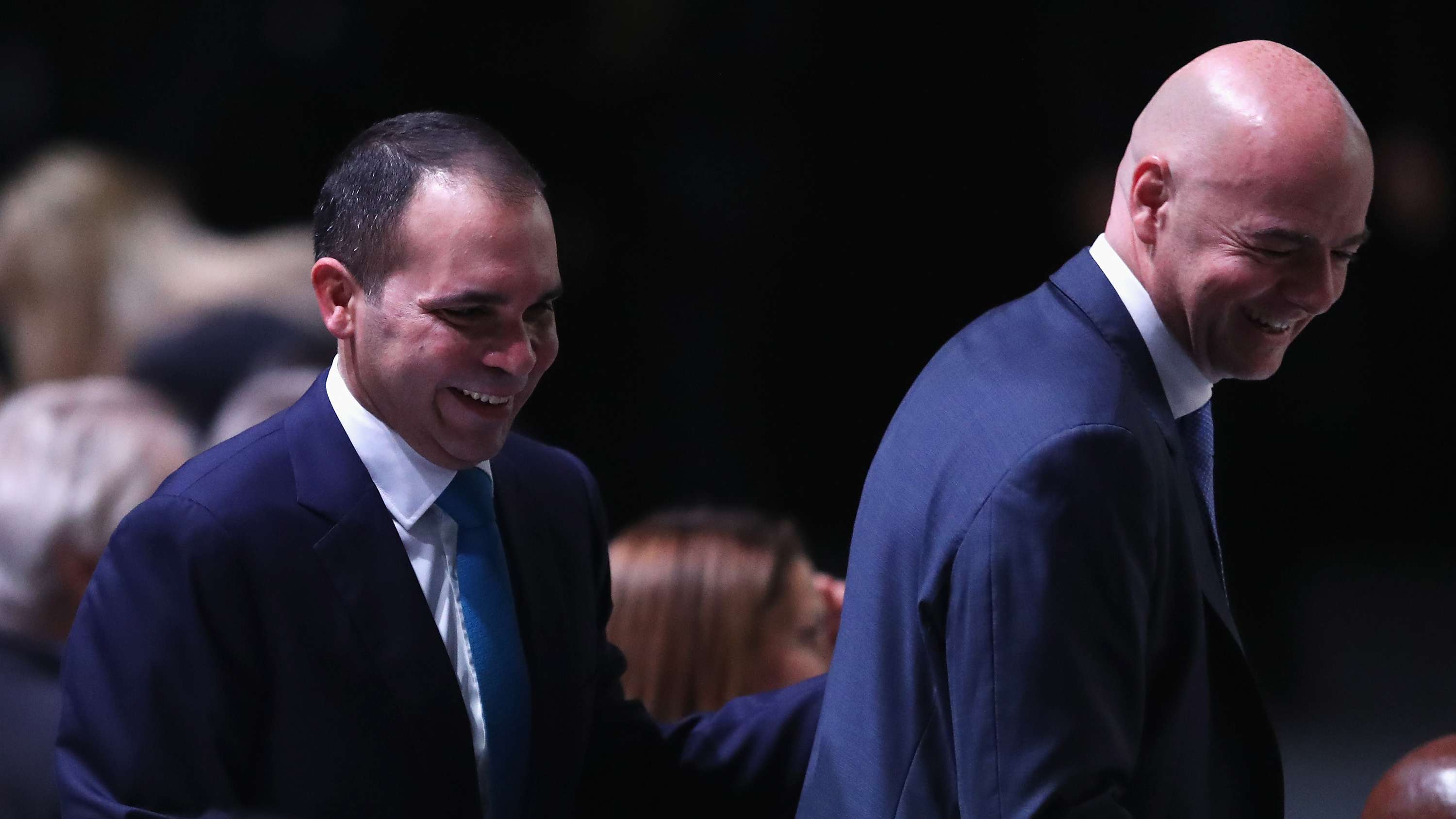
The President of the Jordan Football Association, Prince Ali bin Al Hussein, has recently made shocking revelations regarding the behind-the-scenes dealings within FIFA, the world’s governing body for football. In a scathing attack on FIFA President Gianni Infantino, Prince Ali accused him of engaging in “blackmail” and pressuring the Jordanian federation to support his re-election campaign.
Mounting Pressure on Infantino
Infantino’s troubles began with the failure of his controversial “FIFA Forward Enterprise” project, which aimed to allow private-sector investors to purchase commercial rights to FIFA tournaments, including the prestigious World Cup. Following widespread criticism and threats of boycotts, Infantino was forced to withdraw the project. The English and Welsh football federations also withdrew their support for his re-election bid, adding to the mounting pressure on the FIFA President.
Prince Ali took to the platform X to shed light on the challenges faced by the Jordanian federation during their historic World Cup participation. He highlighted the difficulties Jordanian fans faced in obtaining entry visas to the United States despite holding match tickets, as well as the substantial increase in ticket prices. Additionally, the Jordanian national team had to pay taxes to the US government through FIFA due to conducting their training camp in the United States, while teams training in Canada or Mexico did not face the same financial burdens.
Financial Disputes and Allegations of Blackmail
Prince Ali further revealed that Jordan’s players had not received their financial bonuses for finishing second in the Arab Cup 2025, organized by FIFA in Qatar. He criticized FIFA’s claims of having significant financial reserves while allegedly withholding support and assistance to the Jordanian federation unless they declared their support for Infantino’s re-election.
Prince Ali vehemently refuted the notion of succumbing to such pressures, stating, “We in Jordan take pride in our moral values. We have not supported him before, and we certainly will not support him now, because what happened amounts to ‘blackmail’, and we will not yield to such pressures.”
Prince Ali’s History with FIFA
Prince Ali has a history of challenging Infantino, having run for the FIFA presidency in the 2016 elections after contesting against former president Sepp Blatter in 2015. Apart from leading the Jordan Football Association, Prince Ali is also the president and founder of the West Asian Football Federation, which includes 12 national federations such as Iraq, Qatar, and Saudi Arabia.
The ongoing controversy surrounding FIFA and Prince Ali’s bold statements have further intensified the scrutiny on Infantino’s leadership and the internal workings of the world football governing body. As the allegations of ‘blackmail’ continue to reverberate within the football community, the future of FIFA and its leadership remains uncertain.
Prince Ali’s Commitment to Transparency
Prince Ali’s decision to expose the alleged misconduct within FIFA showcases his commitment to transparency and accountability within the world of football governance. By speaking out against what he perceives as unethical behavior, Prince Ali is not only standing up for the interests of the Jordanian Football Association but also for the integrity of the sport as a whole.
His willingness to challenge powerful figures like Gianni Infantino demonstrates a dedication to upholding ethical standards and ensuring that FIFA operates in a fair and just manner. Prince Ali’s actions emphasize the importance of holding leaders accountable for their actions and advocating for greater transparency in decision-making processes.
Impact on the Global Football Community
The revelations made by Prince Ali have sent shockwaves through the global football community, sparking discussions about the need for reform within FIFA and the broader sporting world. The allegations of ‘blackmail’ and financial disputes have raised serious concerns about the integrity of FIFA and the potential abuse of power by its leadership.
As fans, players, and officials grapple with the implications of Prince Ali’s disclosures, there is a growing demand for increased oversight and accountability within football’s governing bodies. The controversy surrounding FIFA and Infantino has brought to light the complex challenges facing the sport and the urgent need for systemic change to ensure a more transparent and equitable future for football.
The Path Forward for FIFA
With the spotlight firmly on FIFA and its leadership, the organization faces a critical juncture in its history. The allegations made by Prince Ali have underscored the importance of addressing issues of governance, transparency, and integrity within the organization to restore trust and credibility among stakeholders.
Moving forward, FIFA must prioritize reforms that promote openness, accountability, and ethical conduct at all levels of the organization. By implementing measures to prevent conflicts of interest, enhance financial transparency, and strengthen oversight mechanisms, FIFA can begin to rebuild its reputation and regain the trust of the football community.
As the world watches closely to see how FIFA responds to the allegations brought forth by Prince Ali, there is a growing sense of urgency for meaningful change within the organization. The future of football governance hinges on the ability of FIFA to address these challenges head-on and demonstrate a renewed commitment to upholding the values of fairness, integrity, and respect for all those involved in the beautiful game.
By shedding light on the inner workings of FIFA and taking a stand against alleged wrongdoing, Prince Ali has shown that he is a principled leader willing to confront injustice and fight for the integrity of the sport he loves. As the football community grapples with the fallout from these revelations, one thing is clear: the need for transparency and accountability in football governance has never been more pressing.