
Liverpool Step Up Defensive Rebuild as Van Dijk and Gomez Futures Remain Uncertain
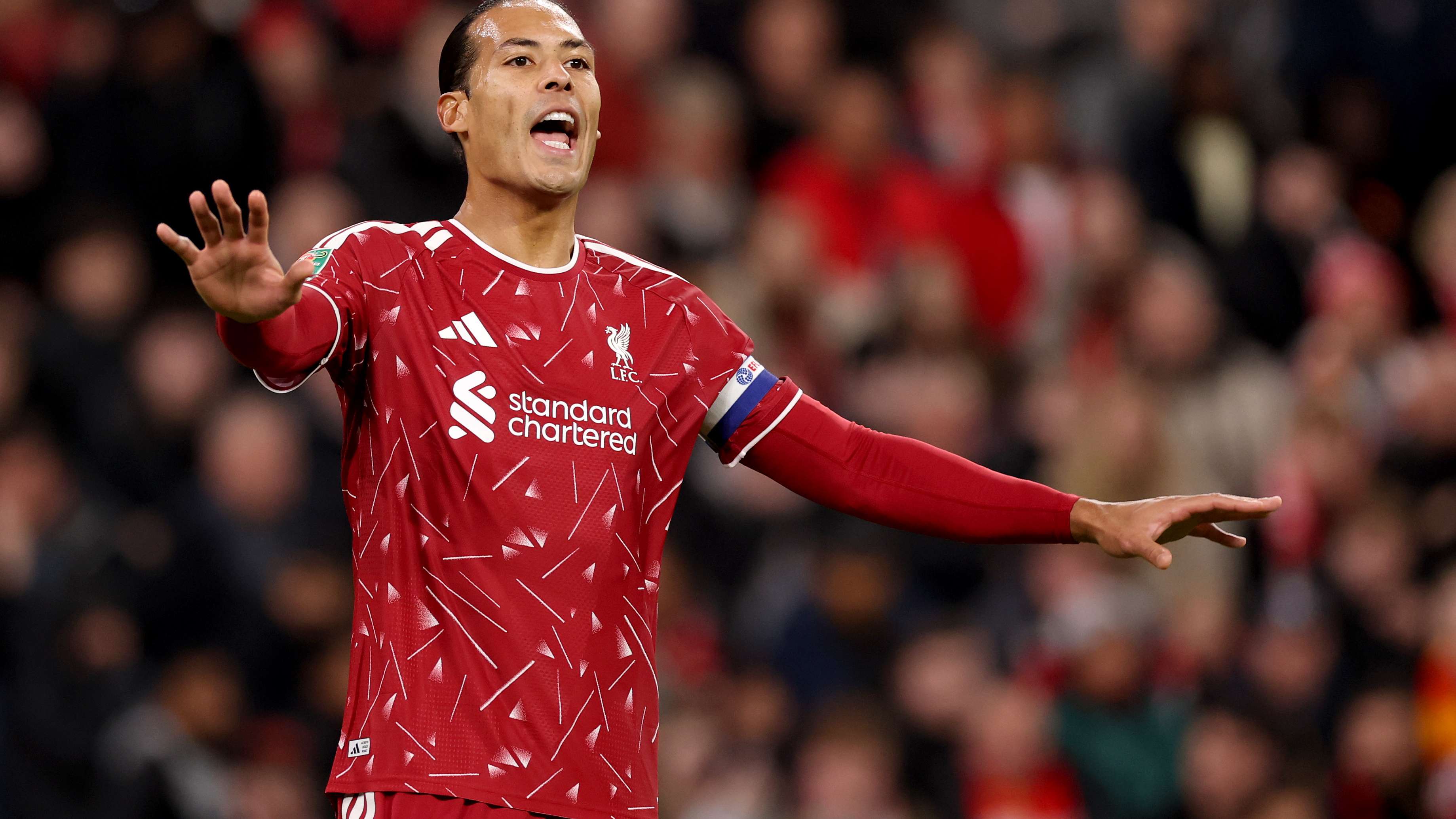
Liverpool are accelerating plans to refresh their defence, with the club’s long-term recruitment strategy taking on added importance as uncertainty surrounds the futures of Virgil van Dijk and Joe Gomez. The Reds are assessing potential options from Barcelona and Inter as they look to build a back line suited to the physical demands and tactical pace of the Premier League.
Rather than focusing only on replacing individual players, Liverpool’s search reflects a broader effort to prepare the squad for its next chapter. Any incoming defender will need to compete for a place immediately while also fitting into a possession-based system that asks defenders to contribute well beyond their primary duties.
Why Liverpool are planning ahead
Van Dijk has been a defining presence at the heart of Liverpool’s defence, combining leadership with aerial strength, composure and an ability to organise the players around him. Gomez, meanwhile, has offered versatility across the back line. But with questions over both players’ longer-term situations, Liverpool cannot afford to leave succession planning until a departure becomes imminent.
Defensive recruitment is especially important for a team that aims to control matches through possession and press aggressively when the ball is lost. A defender must be comfortable defending high up the pitch, recovering into space and handling direct attacks. At the same time, they need the technical quality to receive under pressure and start moves from deep.
That balance can be difficult to find. A centre-back may excel in a compact defensive block but struggle when asked to defend large areas behind the midfield. Another may be an accomplished passer yet lack the strength or speed required to cope with Premier League forwards. Liverpool’s challenge is to identify players who can deliver across both sides of the role.
Physicality, pace and composure on the ball
The club’s reported priorities point towards defenders capable of meeting several demands at once. Physical resilience matters in a league where centre-backs regularly face powerful strikers, fast transitions and a congested schedule. Speed is also crucial, particularly for a side that may push its defensive line forward to keep the team compact and sustain pressure.
However, Liverpool are not simply looking for athletic defenders. In a possession-led approach, centre-backs are often the first playmakers. They must be able to find midfielders between the lines, switch the play to the opposite flank and remain calm when opponents press high. A defender who can break pressure with a forward pass can help Liverpool turn a defensive phase into an attacking opportunity.
Reading the game is just as important. The best defenders anticipate danger before it develops, cover for advancing full-backs and communicate clearly with the goalkeeper and midfield. Liverpool’s recruitment team will therefore need to weigh a player’s technical and physical profile alongside experience, consistency and ability to adapt to a new tactical environment.
Barcelona and Inter provide potential transfer routes
Barcelona and Inter are among the clubs linked with possible defensive options, giving Liverpool several avenues to explore as the transfer picture develops. Both teams have experience working with defenders in possession-oriented systems, although the suitability of any individual target would depend on availability, price and the player’s willingness to move.
Interest from major European clubs can also complicate negotiations. Liverpool may have to compete with other sides for a preferred target, while financial considerations and contract situations could influence whether a deal is realistic. The club’s decision-makers will likely compare multiple candidates rather than commit early to a single name.
For supporters, transfer speculation can quickly turn into predictions about who will arrive and which current players might leave. But a reported shortlist does not guarantee a completed deal. Liverpool’s recruitment strategy is likely to involve detailed checks on performance data, injury history, tactical fit and the player’s potential to develop over several seasons.
What a new signing could mean for the squad
A defensive addition would not necessarily signal an immediate end to Van Dijk’s or Gomez’s Liverpool careers. Instead, it could provide greater depth, create competition and give the club more flexibility if circumstances change. Planning early allows a new player time to adapt before being asked to take on a major role.
That transition is particularly valuable at centre-back, where partnerships depend on communication and familiarity. A new defender must learn how teammates position themselves, when the full-backs advance and how the midfield protects the space in front of the back line. Integrating a signing gradually can reduce the risk of disruption during a demanding season.
Additional depth would also help Liverpool manage injuries and rotation across domestic and European competitions. A reliable group of defenders gives the manager more options to adjust the team’s shape, protect leads or respond to opponents with different attacking styles. In a long campaign, that flexibility can be as important as the quality of the starting eleven.
Prediction: a measured rebuild rather than a quick overhaul
The most likely direction is a carefully managed rebuild, not a wholesale transformation of Liverpool’s defence in one transfer window. The club will want to preserve continuity while preparing for future changes, particularly if the status of senior players remains unresolved. A younger or adaptable recruit could be brought in to compete now and grow into a larger role over time.
The key question is whether Liverpool can find a defender who combines Premier League-ready physical qualities with the confidence to build attacks. If they succeed, the signing could strengthen the present squad while protecting the club against future uncertainty. If negotiations prove difficult, Liverpool may need to consider alternatives or delay a major move until the market offers better value.
For now, the search underlines Liverpool’s intention to stay proactive. The next phase of the club’s defensive planning will depend on more than names linked in the transfer market: it will hinge on contract developments, recruitment priorities and the availability of players who fit the team’s style. With Van Dijk and Gomez’s futures in focus, the Reds’ decisions at the back could become one of the defining stories of their long-term squad strategy.
Related reading: A France legend has also weighed in on Kylian Mbappé’s Ballon d’Or controversy, arguing that a crucial mistake may have shaped the debate around the forward’s campaign.