
Mourinho Warns Real Madrid About a Difficult Valencia Test at Mestalla
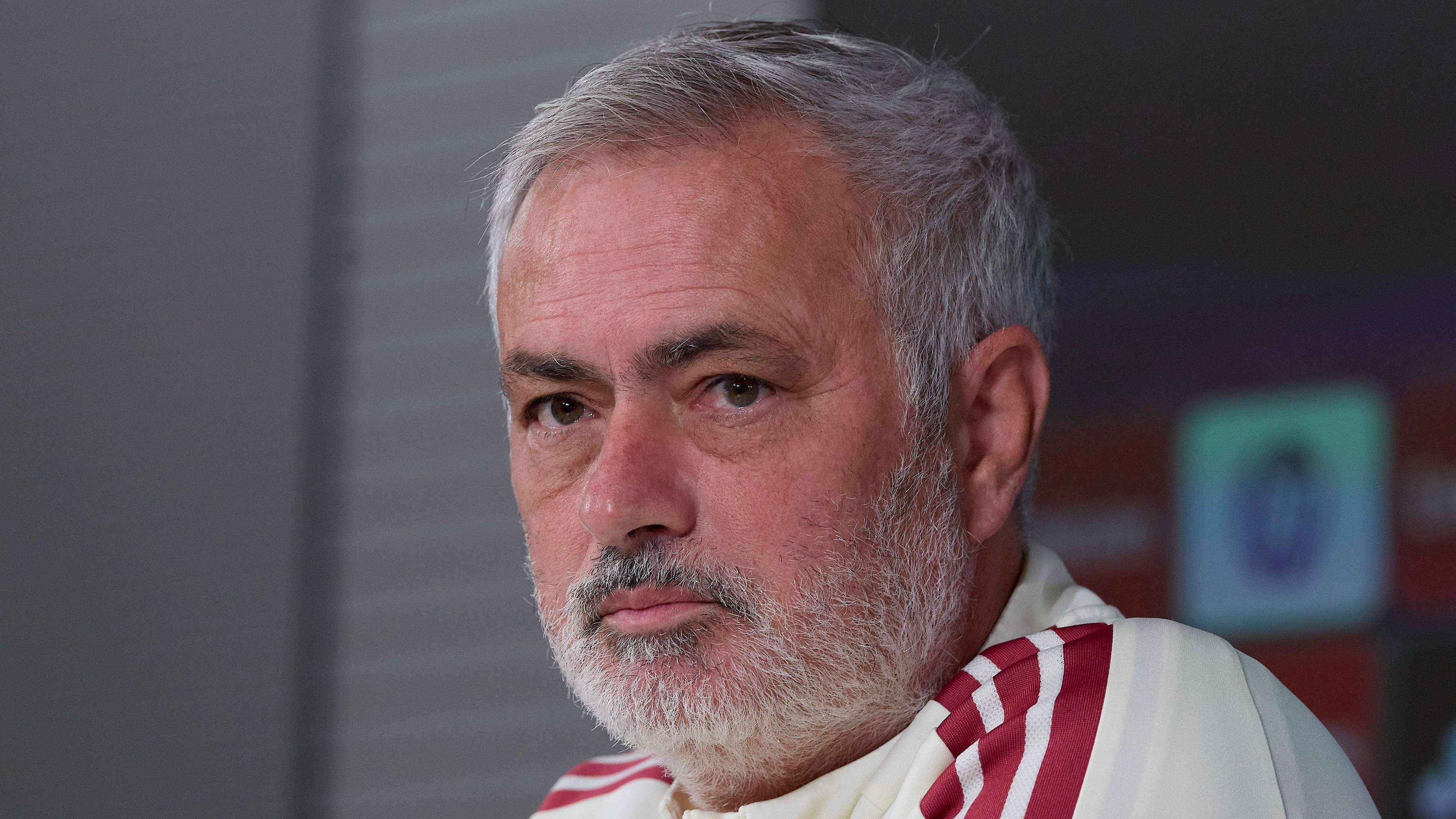
José Mourinho has described Real Madrid’s upcoming visit to Valencia as one of the most demanding challenges in La Liga, pointing to the atmosphere at Mestalla, the quality of the opposition and his own team’s limited recovery time. The Portuguese coach said he was “afraid” of the match—but made clear he meant that word figuratively, as a sign of respect for the task ahead.
Madrid are preparing for the fixture after a draining trip to Greece, where they faced AEK Athens. The squad returned to Spain in the early hours, leaving Mourinho to balance preparation and recovery ahead of a game against a Valencia side he believes has enjoyed a significant advantage in its build-up.
Why Mourinho expects a tough match
Speaking at his pre-match press conference, Mourinho called the Mestalla encounter “one of the toughest games in the whole of La Liga.” He praised Valencia’s coach as an experienced and demanding opponent with a clear football philosophy and a strong understanding of how to prepare a team.
“I feel afraid of tomorrow’s game,” Mourinho said, adding that he was using the word “afraid” in quotation marks. His comment was not a prediction of defeat, but a pointed acknowledgement of the risks involved. Valencia, in his assessment, are well organised, confident in their approach and capable of making life uncomfortable for any visiting side.
Home advantage could also matter. Mestalla is known for its intense atmosphere, and Valencia’s supporters can turn a difficult fixture into an even more testing experience for opponents. For Madrid, the challenge will be to manage the opening stages, avoid giving the home side momentum and make the most of possession when opportunities arise.
Recovery after the Greece trip—and a scheduling complaint
The short turnaround was a central theme of Mourinho’s remarks. He said Real Madrid arrived back from Athens at around 3 a.m. but kept the players at the Valdebebas training complex rather than sending them home. The decision, he explained, was intended to secure roughly two additional hours of sleep and help the squad recover more efficiently.
Mourinho said the physical indicators available to him were positive and cautioned against portraying the situation as a crisis. That measured assessment suggests Madrid are not treating fatigue as an excuse, even if the schedule leaves little room for a conventional recovery routine.
He also used a question about player rest to criticise the timing of the match. With the fixture scheduled for Saturday, several players are due to join their national teams during the international break soon afterwards. Mourinho’s response was sarcastic: he thanked the league for the scheduling choice, saying the players would be refreshed before international duty and that he would give them a day off.
The exchange reflects a familiar tension in modern football. Clubs must manage travel, recovery and domestic fixtures, while national teams depend on players arriving fit and available. Coaches often argue that congested schedules increase injury risks, although the demands of elite competition leave limited opportunities to reschedule matches or reduce workloads.
Konaté and Huijsen expected to feature
Mourinho indicated that Konaté and Huijsen would play against Valencia, offering a glimpse of his selection plans despite the demanding travel schedule. Their involvement could be important as Madrid look to maintain defensive stability while managing the physical condition of the wider squad.
Against a well-prepared opponent, concentration and communication will be crucial. Valencia are likely to test Madrid’s defensive shape and look for moments to exploit any tiredness, while the visitors will need to balance attacking ambition with the discipline required in a hostile away setting.
Valverde’s leadership and versatility stand out
Mourinho also spoke warmly about Fede Valverde, whose influence has grown through his versatility and emerging role as a leader. The coach said he could not compare Valverde with the player he was last season because he had not worked with him then. However, he praised the midfielder’s professionalism, his relationship with teammates and the example he sets within the group.
According to Mourinho, Valverde does not need to be constantly vocal to lead effectively. His presence, work ethic and reliability make him a role model, while the responsibility of wearing Real Madrid’s captain’s armband has added another dimension to his role.
That leadership could prove especially valuable during a demanding run of fixtures. Valverde’s ability to contribute in different positions gives Madrid tactical flexibility, while his energy can help the team press, recover possession and support attacks. In a match where physical resilience may be tested, those qualities could have a direct impact on the football prediction surrounding the contest.
Mourinho addresses calls to cancel fixtures after Jesús de Miguel’s death
The press conference also touched on calls to cancel the round of matches following the death of Jesús de Miguel. Mourinho said he had been told that a tribute ceremony would be held and described the gesture as meaningful. He did not claim to know what the deceased would have wanted, instead arguing that the decision should rest with those closest to him.
“Only his family and teammates can answer what Jesús would have preferred,” Mourinho said, reflecting on whether he would have wanted football to stop or would have preferred to be remembered through a tribute involving Spanish football as a whole.
His response recognised the sensitivity of the issue without presenting a simple answer. Cancelling fixtures can be viewed as a mark of respect, while a coordinated tribute can also provide players, clubs and supporters with a shared way to honour someone who has died. The wishes of family members and teammates, Mourinho suggested, should guide that choice.
What to expect from the Valencia–Real Madrid clash
Mourinho’s comments frame the match as a serious test rather than a routine league fixture. Valencia have had a full week to prepare, Madrid are coming off a long European trip, and the Mestalla crowd is likely to create an intense setting. At the same time, the coach has insisted that the team’s recovery data is encouraging and that there is no reason to exaggerate concerns over fatigue.
The key factors may be Madrid’s ability to control the tempo, Valencia’s organisation and the visitors’ response to the physical demands of the game. Mourinho’s cautious language signals respect for the opposition, but it also raises expectations for a competitive encounter. For supporters following La Liga, this fixture promises a compelling test of preparation, leadership and squad depth—and a reminder that even the strongest teams can face a difficult evening away from home.