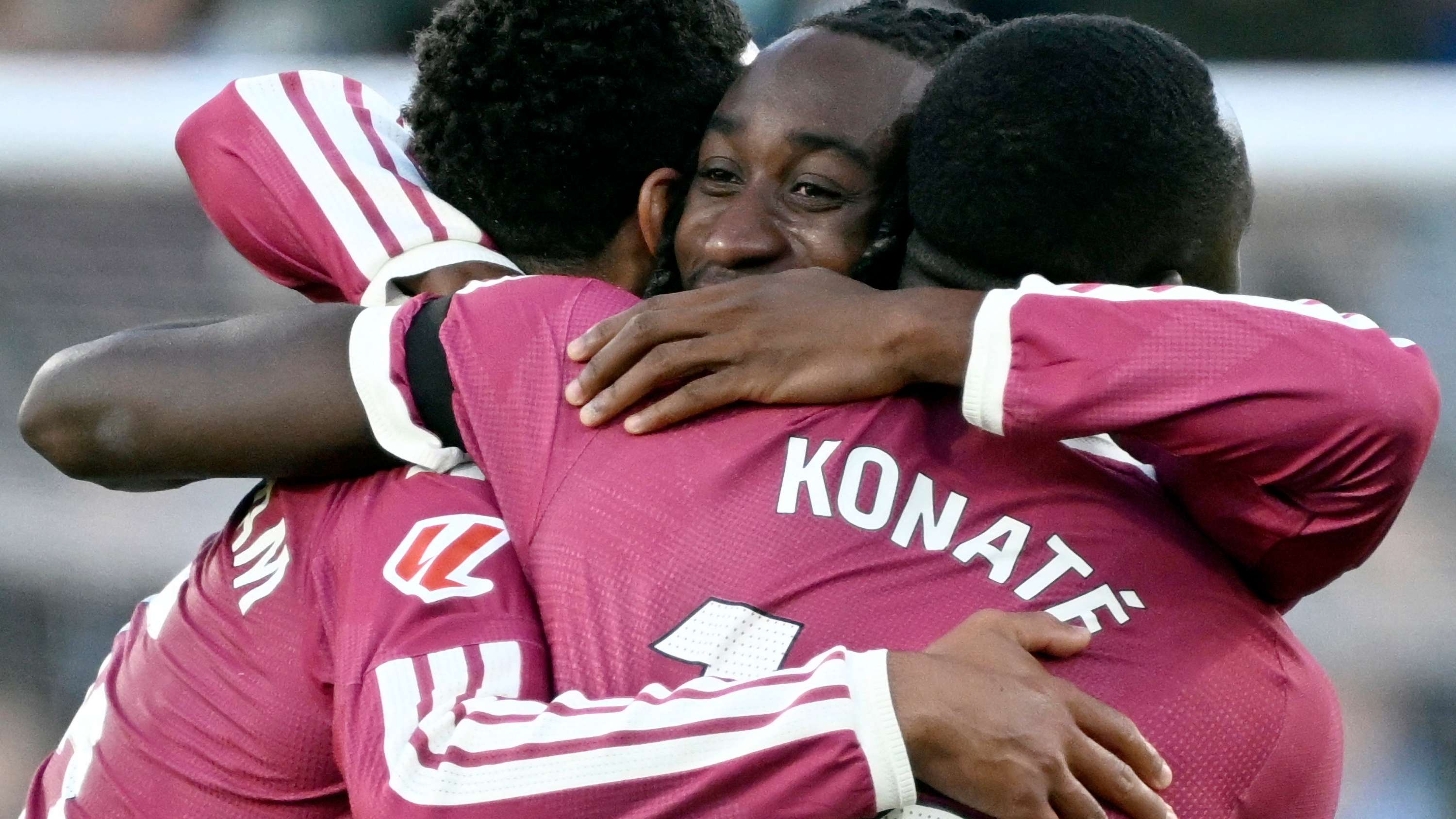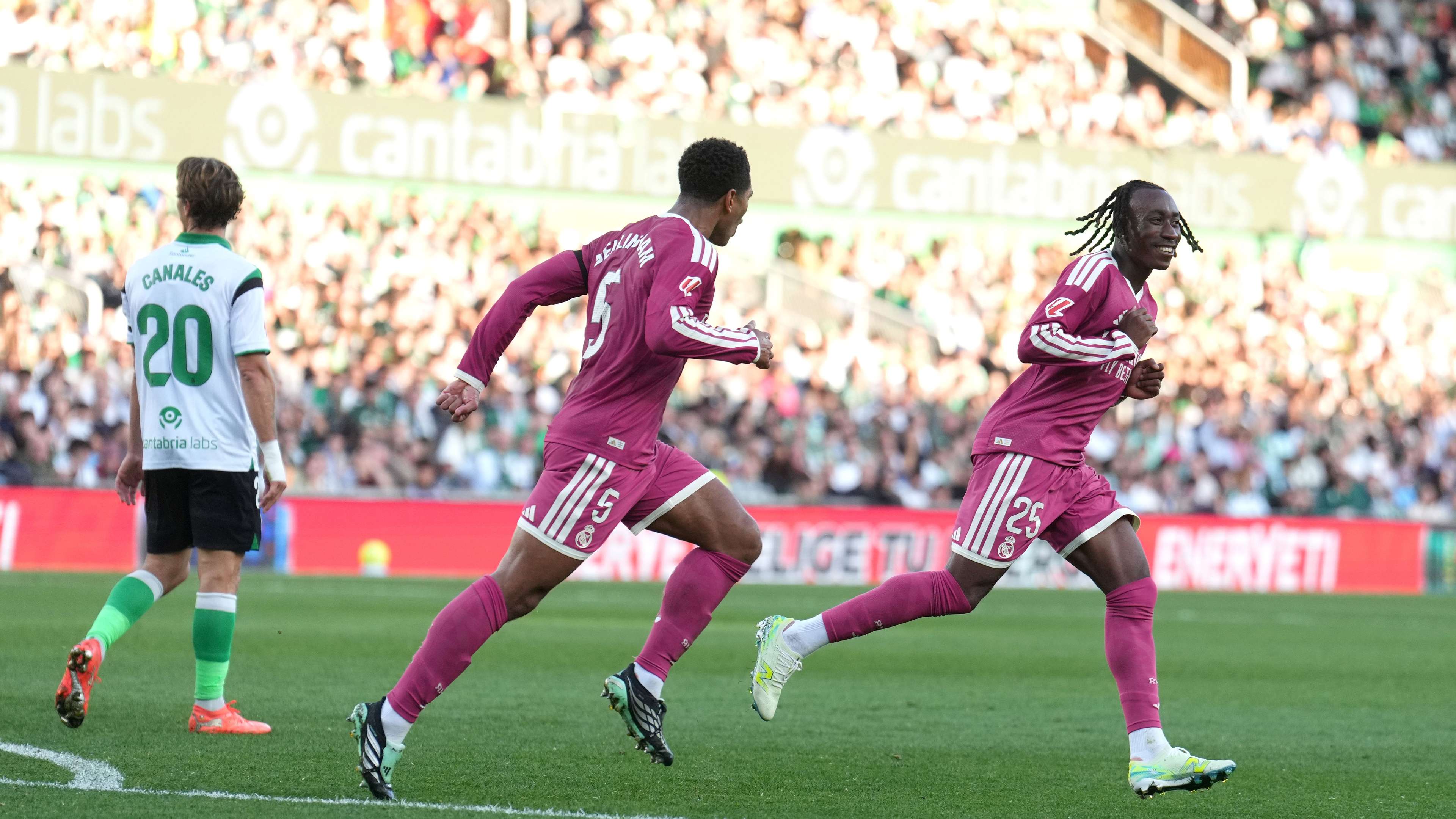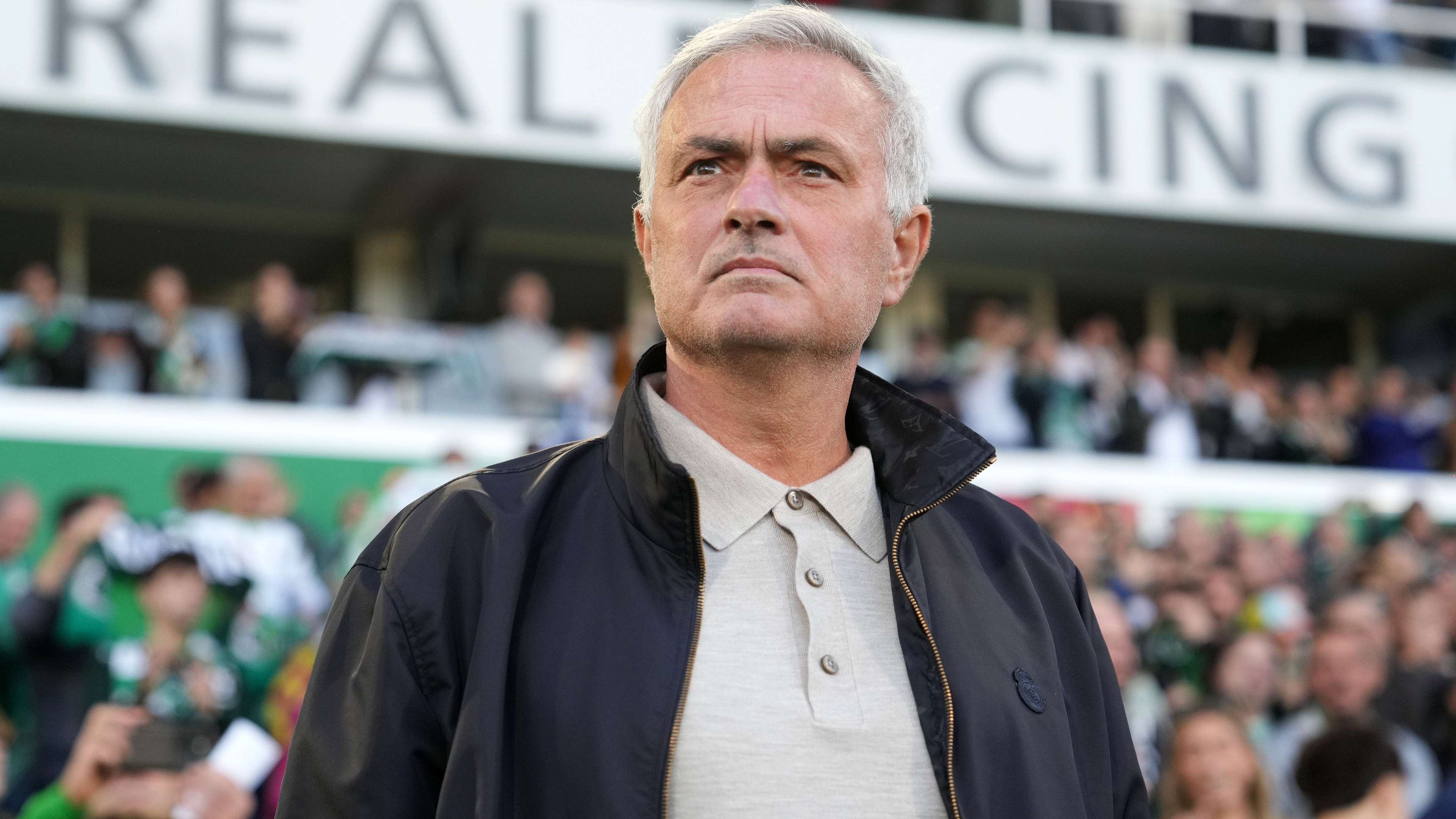

Mourinho backs referee after Real Madrid’s 3-0 win over Racing Santander
José Mourinho defended referee Munuera Montero after Real Madrid’s 3-0 victory over Racing Santander, arguing that the official handled a tense match well despite protests over a possible handball penalty and several disputed decisions. The Madrid coach said the home side’s appeal for a spot-kick involving Aurélien Tchouaméni was not justified, and praised the referee’s technical performance.
The result gave Real Madrid a valuable win during a demanding stretch of the season. Yet the discussion after the final whistle focused as much on the match officials as on the goals, with Racing players and supporters questioning key calls. Mourinho rejected the suggestion that the referee had lost control, while acknowledging the intensity of the atmosphere at El Sardinero.
Mourinho says Tchouaméni handball was not a penalty
Racing Santander appealed for a penalty after the ball struck Tchouaméni, but Mourinho was convinced the incident did not warrant a spot-kick. He said he had not been close enough to judge the moment in real time, but was satisfied after reviewing it that the video assistant referee had assessed the situation.
“They protested about everything,” Mourinho said, while also praising El Sardinero as a special venue where supporters actively shape the occasion. He added that some confusion around refereeing decisions can stem from frequent changes to the laws and how they are interpreted.
His defence of Munuera Montero was direct: Mourinho said the Tchouaméni incident was not a penalty and described the referee as technically skilled. The comments offered a clear counterpoint to the complaints from the home side and helped shift the post-match conversation towards the broader challenge of applying football’s rules consistently.
Handball decisions remain among the most contentious issues in modern football. The position of a player’s arm, the distance from which the ball is played, and whether the contact is considered deliberate can all influence an official’s judgement. Even when VAR is available, supporters may disagree with the outcome—particularly in a close match where a penalty could change the momentum.
Real Madrid pleased with the result, but still seeking more goals
On the pitch, Mourinho felt Madrid had earned their 3-0 win and suggested the margin could have been wider. He also admitted that the game had moments when it threatened to become uncomfortable, a reminder that a strong final score does not always tell the full story of a match.
The coach called it an important victory in a significant week and praised his players’ physical effort, tactical discipline and commitment. He believes the team is making steady progress, but identified one area for improvement: converting more chances, especially against opponents who defend deep and crowd the space around their penalty area.
That challenge is familiar for leading clubs. When an opponent sits back, Madrid must find ways to move the ball quickly, create openings between the lines and make their possession count. Greater precision in the final third can turn control into goals—and prevent a match from remaining in doubt longer than necessary.
Bellingham, Diomande and Trent earn praise
Mourinho highlighted the quality and variety within his squad, pointing to the physical and tactical strengths of players including Jude Bellingham and Diomande. His praise reflected a broader message: Madrid’s progress depends not only on individual talent, but also on a group willing to follow the team’s plan and work for one another.
Trent also received a special mention after an impressive performance. Mourinho noted that the player had missed several fixtures, making his contribution particularly encouraging. A strong return can give the team another useful option as the schedule intensifies, while also offering a boost to confidence within the squad.
For supporters following the club’s form, the performance provides reasons for optimism, though Mourinho’s comments suggest he is not treating one convincing scoreline as proof that every problem has been solved. Real Madrid still need to improve their attacking efficiency and maintain concentration when opponents apply pressure.
Why Mourinho made an animated touchline gesture
Mourinho’s animated reaction after Madrid moved three goals ahead also drew attention. He explained that the gesture was intended to keep his players alert rather than celebrate the result prematurely. In his view, one careless moment could have given Racing a chance to restart quickly and exploit a lapse in concentration.
“I try to help the team in every possible way,” he said, explaining that he was guarding against an avoidable surprise. The episode captured Mourinho’s familiar touchline intensity: even with a comfortable lead, he remained focused on the small details that can affect a game.
That approach is especially relevant in knockout or high-pressure football, where a brief loss of focus can change the mood of a contest. Mourinho’s warning was a reminder that teams must keep their shape and awareness until the referee ends the match, regardless of the score.
Athens trip brings rotation questions into focus
Attention has already turned to Real Madrid’s upcoming trip to Athens, with a Champions League fixture against AEK scheduled for 5 November 2026. Madrid are then due to face Mallorca in LaLiga on 7 November, leaving little time between matches and raising questions about fitness, recovery and squad rotation.
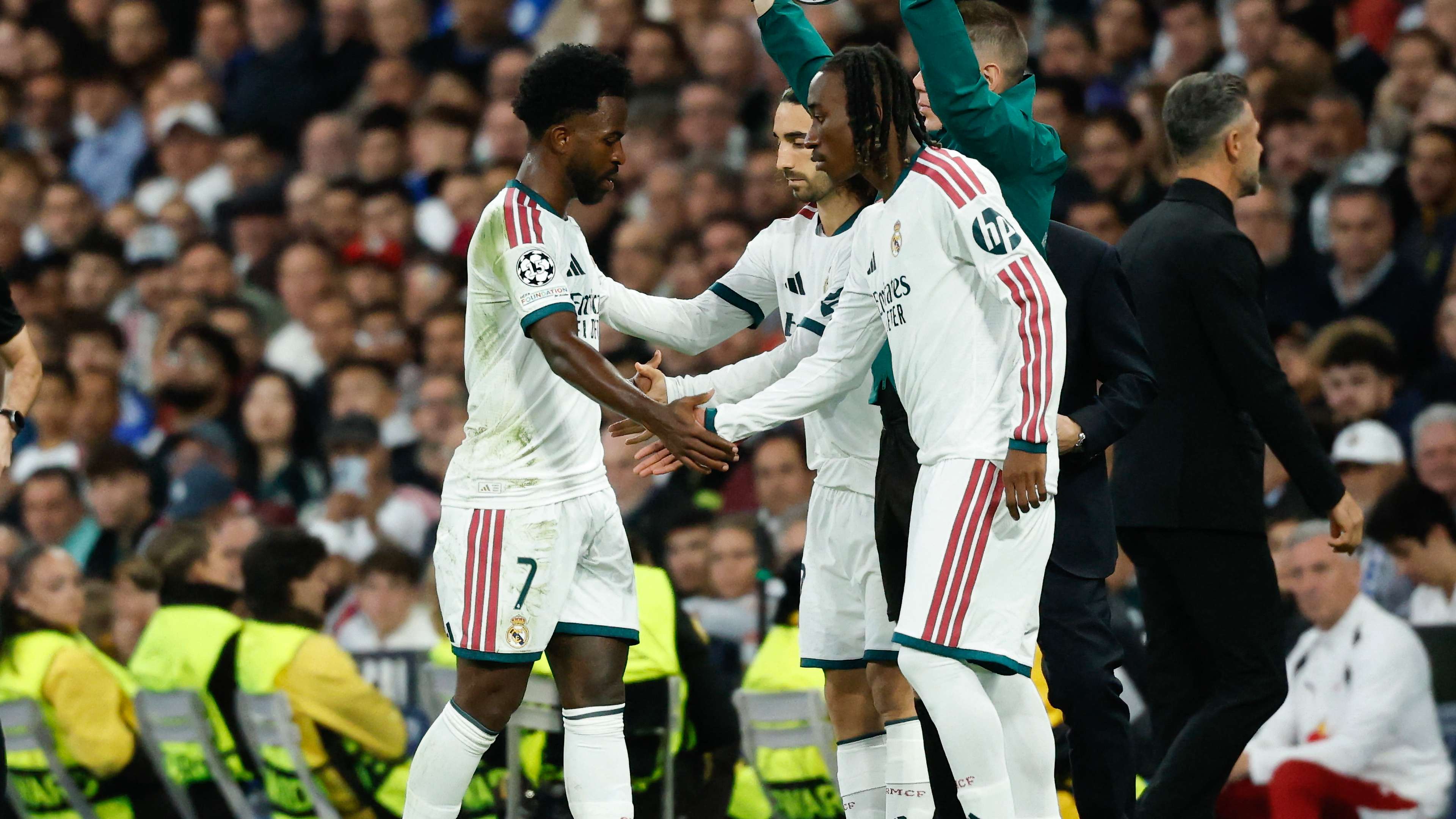
Mourinho said the substitutions against Racing had not been planned in advance. Instead, he was assessing how best to manage the players’ workloads and whether those unlikely to start the next match should be rested. He suggested that four or five changes could be possible, although the final decision will depend on the squad’s condition and tactical needs.
With two fixtures arriving in quick succession, rotation could be important for maintaining energy without weakening the team’s structure. Coaches must balance fresh legs against the value of continuity, particularly when players are building understanding after a run of matches. Madrid’s depth gives Mourinho options, but the demands of both domestic and European competition leave little room for complacency.
What the result means for Madrid’s next match
The 3-0 win gives Real Madrid momentum heading into a busy week, but Mourinho’s remarks point to a more measured assessment than the scoreline alone might suggest. The team showed commitment and quality, yet still has room to improve its finishing and its ability to manage difficult moments.
For fans looking ahead, any prediction for the Athens match will depend on the final team selection, the players’ recovery and whether Madrid can carry their attacking confidence into Europe. Mourinho’s comments make clear that he is considering changes, while also insisting that the club’s ambitions remain high. His final message was broader than one result: Spanish football benefits when its clubs perform well in European competition.