
The FIFA President’s Controversial Plan Sparks Debate and Opposition
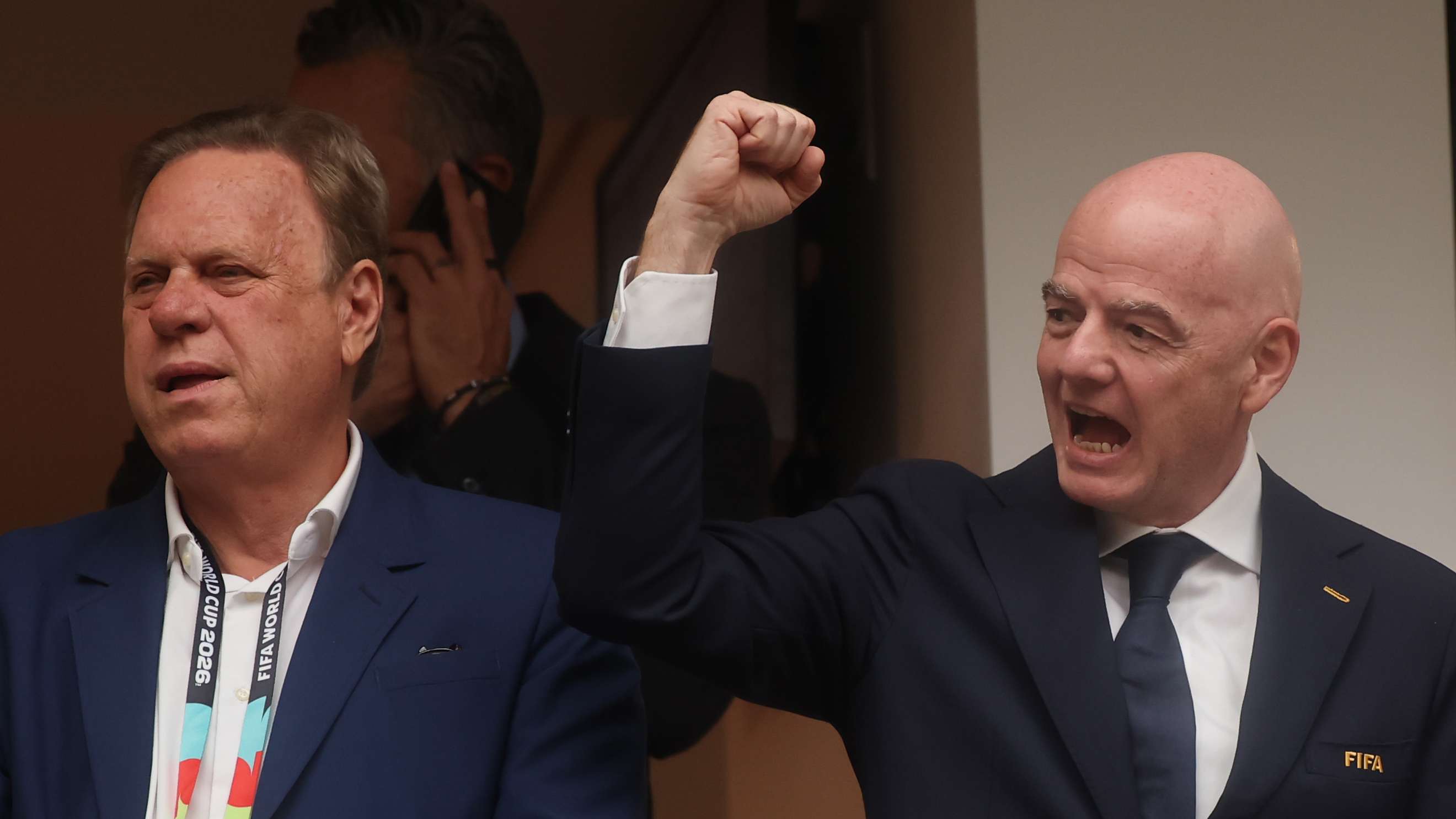
Gianni Infantino, the president of FIFA, is at the center of a heated debate as he pushes forward with a controversial plan to hand over FIFA’s competitions to a new commercial company. The plan could potentially see Infantino land a senior executive role with a significant increase in salary, sparking both excitement and opposition within the football community.
The Financial Incentive Behind the Plan
Reports suggest that FIFA is aiming to secure approximately £3.1 billion in private funding for the FIFA Forward Enterprise (FFE) project by the following October. American bank JP Morgan is reportedly advising on the deal, with investment fund Thrive Eternal leading the race to acquire a 20% stake in the new company.
If the plan moves forward, Infantino could potentially step into a role as the commissioner or chief executive of the new company once his FIFA presidency ends. The reported reward for this position is an annual salary of £47 million, a significant increase from his current earnings of £4.46 million per year.
Opposition and Threats of Boycott
Despite the financial incentives, the project has faced wide opposition from various football confederations. UEFA has outright rejected the proposal and threatened to boycott all FIFA competitions, including the World Cup, if it moves forward. Other confederations such as CONCACAF and the Asian Football Confederation have also criticized FIFA for pushing the plan without proper consultation.
UEFA has demanded the complete scrapping of the proposal and binding guarantees that it will never resurface. The European governing body has vowed to sit out any FIFA-organized tournament as long as the project remains on the table, highlighting the strong stance taken against the commercialization of football.
FIFA’s Defense and Explanation
Despite the backlash, FIFA has stood firm in its defense of the project, emphasizing that it does not equate to selling football or relinquishing control of its competitions. The world governing body has assured transparency and democratic consultations with all member associations, emphasizing that the project aims to help national associations benefit commercially without compromising the integrity of the game.
FIFA has clarified that all 211 member associations will have the opportunity to study the proposal and vote on it according to the democratic principles that govern world football. The organization has addressed concerns about inaccurate media reports disrupting the process and reiterated its commitment to the spirit of the game.
In conclusion, the FIFA president’s controversial plan has sparked intense debate within the football community, with strong opposition from key confederations and calls for transparency and integrity in the decision-making process. The future of FIFA’s competitions and the potential commercialization of football hang in the balance as stakeholders continue to voice their opinions and concerns.
The Impact on Smaller Football Associations
While the debate over FIFA’s controversial plan largely focuses on the financial and executive aspects, it is essential to consider how this move could affect smaller football associations around the world. These associations often rely on FIFA for support, funding, and opportunities to participate in international competitions.
With the proposed shift towards a more commercially-driven model, there are concerns that smaller associations may be left behind or marginalized in favor of larger, wealthier organizations. The potential influx of private funding and the commercialization of FIFA’s competitions could create a more unequal playing field, where smaller nations struggle to compete or access resources.
It is crucial for FIFA to ensure that the interests of all member associations, regardless of size or financial standing, are taken into account in any decision-making process. Transparency and inclusivity in the implementation of the FFE project are key to maintaining the integrity and fairness of football on a global scale.
The Role of Fans and Supporters
Amidst the debates and opposition surrounding FIFA’s plan, the voices of football fans and supporters must not be overlooked. Fans play a crucial role in the sport, driving its popularity, revenue streams, and overall success. Their passion and dedication are what make football a global phenomenon.
As discussions continue on the future of FIFA’s competitions and the potential involvement of a commercial company, fans have expressed concerns about the impact on the game they love. Many fear that prioritizing financial gains over the spirit of football could alienate supporters, diminish the authenticity of the sport, and erode the traditions that have made it so beloved worldwide.
It is essential for FIFA to engage with fans, listen to their feedback, and consider their perspectives in any decision-making process. After all, football is ultimately a game for the fans, and their interests should be at the forefront of any changes or developments within the sport.
The Need for Ethical Considerations
As the discussions surrounding FIFA’s controversial plan intensify, it is crucial to emphasize the importance of ethical considerations in shaping the future of football. The sport has a rich history built on principles of fair play, sportsmanship, and inclusivity, which must be upheld in any decision-making process.
With the potential involvement of private funding and commercial interests, there is a risk of ethical dilemmas arising in how FIFA’s competitions are managed, marketed, and governed. It is imperative for FIFA to prioritize ethical standards, transparency, and accountability in all its dealings to maintain the trust and integrity of the football community.
By incorporating ethical considerations into the decision-making process, FIFA can ensure that the sport remains true to its values and principles while adapting to the evolving landscape of modern football. Balancing financial incentives with ethical responsibilities is a delicate but necessary task for the future sustainability of the sport.
Conclusion
In conclusion, the debate over FIFA’s president’s controversial plan goes beyond financial incentives and executive positions to encompass broader issues of fairness, inclusivity, fan engagement, and ethical considerations. The future of football hangs in the balance as stakeholders navigate the complexities of commercialization, transparency, and integrity within the sport.
As discussions continue and opposition mounts, it is imperative for FIFA to listen to all voices, consider the interests of smaller associations, engage with fans, and uphold ethical standards in its decision-making process. By addressing these various perspectives and concerns, FIFA can chart a path forward that preserves the essence of football while embracing the opportunities and challenges of a changing world.