
Julian Nagelsmann Stands by Leroy Sané in World Cup Squad Selection
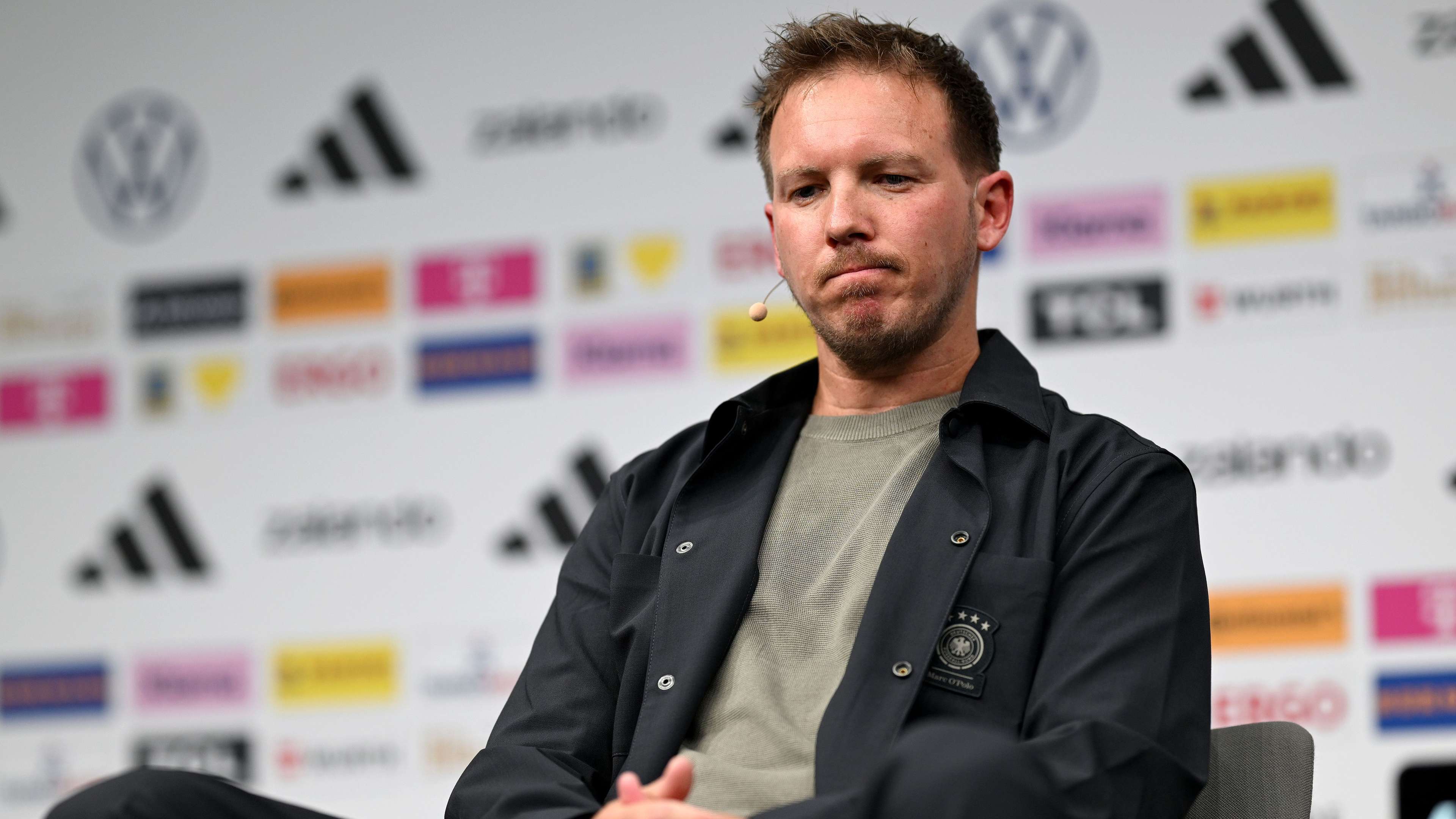
Despite criticism over his goal tally, Germany coach Julian Nagelsmann has included Leroy Sané in his World Cup squad, emphasizing the winger’s intangible attributes that he believes are crucial for the team’s success. Nagelsmann defended his decision to call up the 30-year-old Galatasaray forward, citing his recent contributions to the team.
Controversy Surrounding Leroy Sané
Julian Nagelsmann addressed the controversy surrounding Leroy Sané’s inclusion in the World Cup squad, acknowledging that the player “divides opinion.” Critics have pointed out Sané’s “insufficient” goal tally, questioning his effectiveness on the field. However, Nagelsmann emphasized that Sané brings more to the team than just goals, highlighting his overall impact and presence on the pitch.
“In our last four games, he’s contributed five goals,” Nagelsmann stated, defending his choice to include Sané in the squad. While his goal-scoring record may not be as high as some would like, Nagelsmann values the winger’s ability to create opportunities for his teammates and influence the game in other ways.
The Importance of Intangible Attributes
Julian Nagelsmann stressed the significance of intangible attributes in a player, pointing out that Leroy Sané possesses qualities that Said El Mala currently lacks. While statistics like goals scored are important, Nagelsmann believes that factors like teamwork, leadership, and overall impact on the team cannot be overlooked.
Sané’s presence on the field goes beyond just scoring goals – his pace, skill, and ability to create chances for his teammates make him a valuable asset to the German squad. Nagelsmann’s decision to include Sané is based on his belief in the winger’s ability to contribute to the team’s success in ways that may not always show up on the stat sheet.
Looking Ahead to the World Cup
As Germany prepares for the upcoming World Cup, Julian Nagelsmann’s faith in Leroy Sané demonstrates his confidence in the player’s capabilities. Despite criticism and doubts from some quarters, Nagelsmann stands by his decision to select Sané for the squad, believing that the winger’s unique skill set and intangible attributes will be essential for Germany’s performance in the tournament.
With the World Cup approaching, all eyes will be on Leroy Sané as he aims to prove his worth on the international stage. As Nagelsmann and the German team strive for success in the competition, Sané’s presence and contribution to the squad will be closely watched by fans and critics alike.
In conclusion, Julian Nagelsmann’s decision to include Leroy Sané in the World Cup squad highlights the importance of intangible attributes in a player’s value to a team. While goals are undoubtedly crucial, Nagelsmann’s emphasis on Sané’s overall impact and contribution to the team’s success showcases a different perspective on player selection and team dynamics.
Julian Nagelsmann’s Strategic Approach to Squad Selection
Julian Nagelsmann’s decision to stand by Leroy Sané in the World Cup squad selection reflects his strategic approach to building a team that balances individual talents with collective effectiveness. While some may question the inclusion of a player with lower goal stats, Nagelsmann’s focus on the intangible qualities that Sané brings to the table demonstrates a nuanced understanding of team dynamics.
By emphasizing Sané’s ability to create opportunities for his teammates and influence the game in multiple ways, Nagelsmann showcases his belief in the winger’s capacity to impact the team’s performance positively. This strategic thinking extends beyond just numbers on a scorecard and considers the broader context of how each player contributes to the team’s overall success.
The Evolution of Football Tactics and Player Roles
In modern football, the role of wingers like Leroy Sané has evolved to encompass more than just scoring goals. Coaches like Nagelsmann recognize the importance of players who can provide creativity, speed, and versatility on the field, contributing to the team’s attacking and defensive strategies. Sané’s presence adds a dynamic element to Germany’s squad, offering a different dimension to their gameplay.
With tactical approaches constantly evolving in football, the traditional metrics of success, such as goal tally, are being supplemented by a broader evaluation of players’ contributions to the team as a whole. Nagelsmann’s decision to prioritize intangible attributes in his squad selection reflects this shift in football philosophy and the increasing emphasis on holistic player evaluation.
The Psychological Impact of Squad Selection
Julian Nagelsmann’s public support of Leroy Sané amidst criticism not only boosts the player’s confidence but also sends a message to the entire squad about the coach’s trust in their abilities. By standing by his decision and defending Sané’s inclusion, Nagelsmann sets a tone of unity and solidarity within the team, reinforcing the importance of belief and support in achieving common goals.
The psychological aspect of squad selection should not be underestimated, as players’ mental states and morale can significantly impact their performance on the field. Nagelsmann’s approach to managing criticism and controversy surrounding his choices demonstrates strong leadership and a commitment to nurturing a positive team environment leading up to a major tournament like the World Cup.
Conclusion
Julian Nagelsmann’s unwavering support for Leroy Sané in the World Cup squad selection showcases a holistic approach to player evaluation that goes beyond traditional metrics. By emphasizing intangible attributes, strategic thinking, and psychological considerations in his decision-making process, Nagelsmann offers a unique perspective on squad selection and team dynamics in football.
As the World Cup approaches, the spotlight will be on how players like Sané contribute to their teams’ success both on and off the field. Nagelsmann’s stance on squad selection serves as a reminder of the complex factors that coaches consider when assembling a squad for a major tournament, highlighting the evolving nature of football tactics, player roles, and team cohesion in the modern game.