
Hansi Flick’s Barcelona Comebacks Are Becoming a Defining Feature
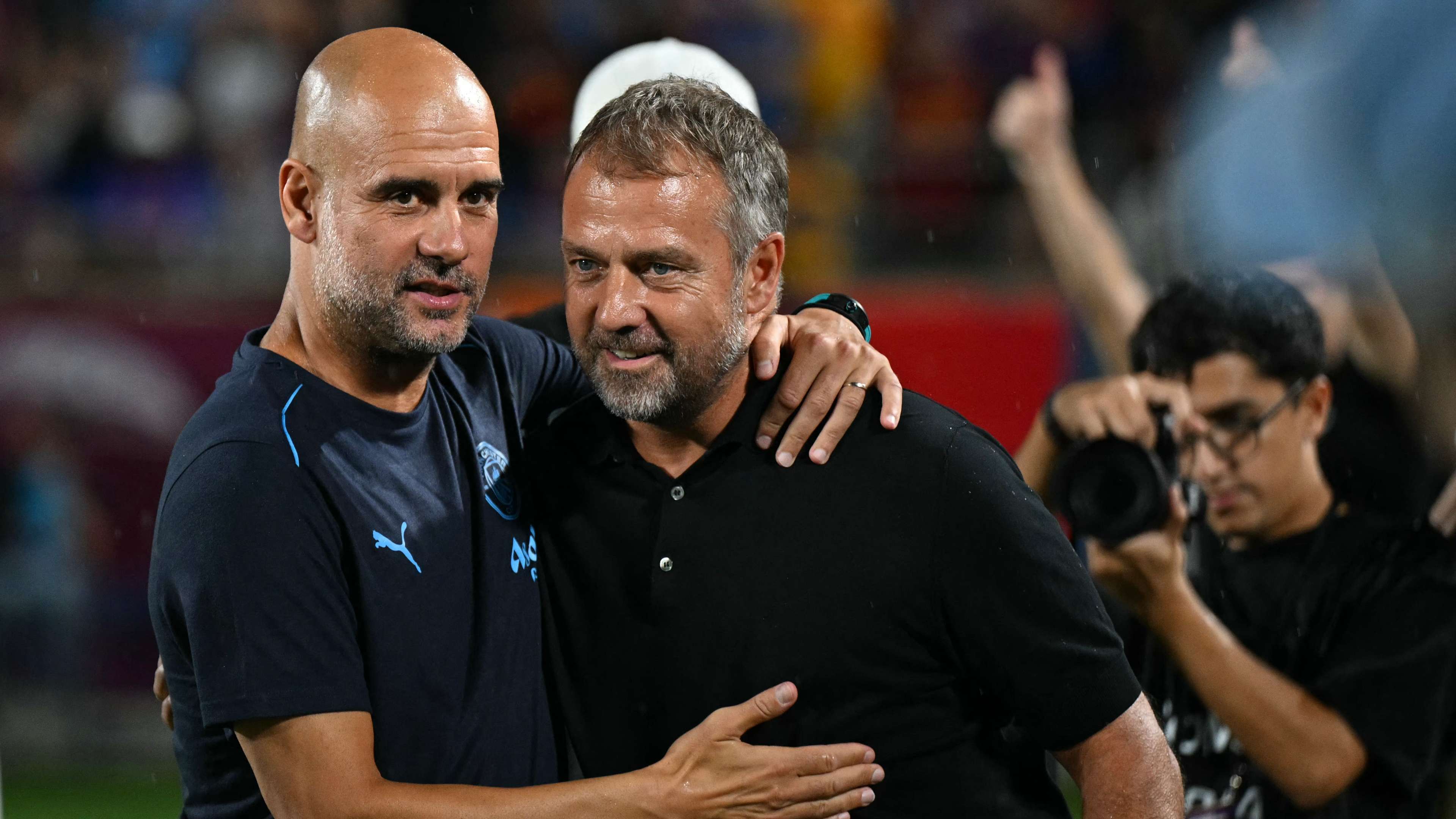
Barcelona’s dramatic 2-1 victory over Atletico Madrid was more than a valuable result in the LaLiga title race. It was another example of a growing pattern under Hansi Flick: even when his team falls behind, it rarely accepts defeat. The German coach has now overseen 23 comeback victories in 133 matches in charge of Barcelona, according to figures reported by Mundo Deportivo.
That record is striking not only because of the number of wins, but also because of how quickly Flick has built it. Barcelona’s history includes celebrated managers such as Johan Cruyff and Pep Guardiola, both of whom developed teams known for their identity and resilience. Flick is already approaching their comeback totals after managing far fewer matches, adding a compelling new chapter to the club’s story.
Barcelona Survive Atletico’s Early Pressure
The latest turnaround unfolded at the Metropolitano, where Atletico started with purpose and immediately tested Barcelona’s defence. Julian Alvarez found a clear opportunity in the opening minutes, but goalkeeper Juan Garcia made an important intervention. Atletico continued to threaten, with a header from Pubill striking the crossbar and further efforts from Alvarez and Kang-in Lee requiring attention from the Barcelona goalkeeper.
Barcelona had chances of their own. Pedri came close in the seventh minute, only to see his effort rebound off the post. But the visitors struggled to control the match during the first half, and their task became harder when Giuliano put Atletico ahead in the 10th minute. The goal rewarded the hosts’ energetic start and placed Barcelona under immediate pressure.
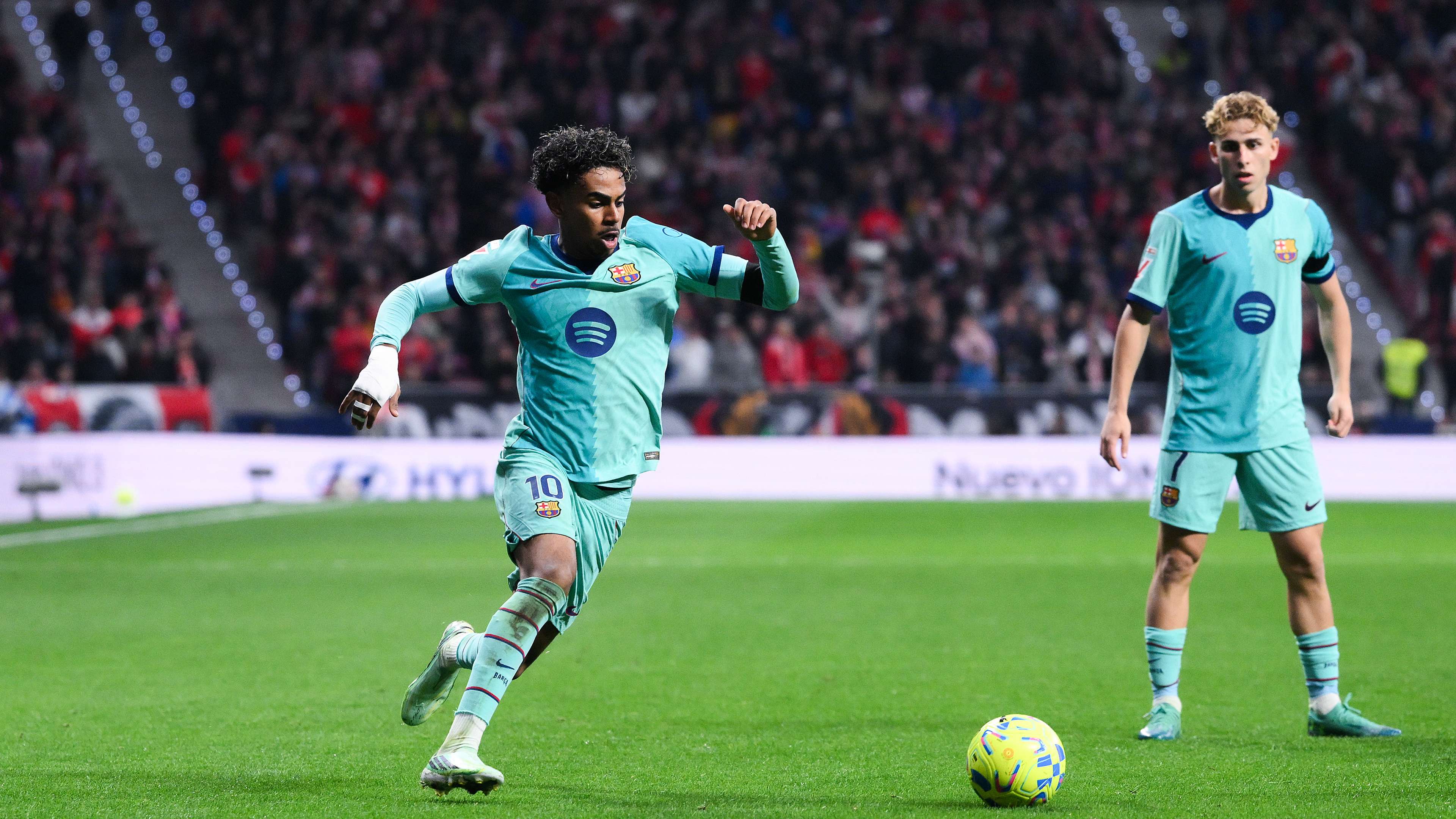
Rather than respond with panic, Flick’s side gradually found a foothold. Barcelona remained patient, worked to improve their possession and waited for openings against an opponent that had begun the evening with considerable intensity. The equaliser arrived just before half-time, when Fermin Lopez created space and struck a superb left-footed finish to make it 1-1.
The timing mattered. Fermin’s goal gave Barcelona a result to build on at the break and changed the mood of the contest. After half-time, the visitors played with greater conviction, moved the ball more quickly and began to push Atletico deeper. The balance of the match shifted, with Jan Oblak increasingly called upon to protect the home side’s lead.
Fermin and Lamine Yamal Complete the Turnaround
Barcelona’s pressure eventually produced the decisive moment in the 66th minute. Lamine Yamal supplied the pass, and Fermin finished the move to put the visitors 2-1 ahead. Atletico had begun the match in control, but Barcelona had transformed the contest through patience, improved attacking rhythm and clinical finishing.
The score remained unchanged until the final whistle. The victory allowed Barcelona to maintain a three-point advantage over Real Madrid and move five points clear of Atletico, who had entered the match with an opportunity to climb to the top of the table. In a tightly contested title race, the result was significant both for the standings and for the confidence it may give Flick’s squad.
For supporters following the season, this kind of match also complicates any simple football prediction. Barcelona’s capacity to recover from setbacks makes them difficult to write off, but repeated comebacks do not guarantee that every deficit can be overturned. The more important question is whether the team can combine its resilience with stronger starts and more consistent control across 90 minutes.
The Numbers Behind Flick’s Comeback Record
The Atletico win was reported as Flick’s 23rd comeback victory since taking charge of Barcelona. This season, his team has also turned deficits into wins against Rayo Vallecano, Sevilla and Galatasaray, alongside the latest result in Madrid. The pattern suggests a side that can adapt when a match begins to move against it—a valuable quality in league football and high-pressure knockout competitions.
Figures cited by RAC1 journalist Oriol Jove place Flick’s achievement in historical context. Cruyff recorded 28 comeback victories across 430 Barcelona matches, while the source says Flick has reached 23 in just 133 games. The supplied figures also list Flick with 24 comeback wins from 249 matches, a difference that appears to reflect a broader or separately counted record. Under either comparison, his rate is unusually high and places him close to the club’s leading managers in this category.
Flick is described as needing one more comeback to equal Guardiola’s total and five to match Cruyff’s figure. The comparison is impressive, although totals alone do not tell the whole story. Coaches manage teams in different eras, competitions and circumstances, and the meaning of a “comeback” can depend on the criteria used. Even so, the pace at which Flick is approaching those benchmarks is difficult to ignore.
Why Barcelona’s Resilience Matters
Comeback wins can reveal important qualities about a team. They may point to confidence, fitness, tactical flexibility and belief in a plan even when the scoreline is unfavourable. In Barcelona’s case, the Atletico match showed that the team could absorb an aggressive opening, regroup after conceding and make effective changes to its performance without abandoning its attacking approach.
That resilience could prove especially valuable as the schedule becomes more demanding. Barcelona will face opponents prepared to press aggressively, defend deep or target weaknesses in transition. Flick’s challenge is to ensure his players do not rely on late recovery as a regular solution. A team that repeatedly gives up the first goal may eventually encounter an opponent capable of protecting its advantage.
For now, however, the record offers Barcelona a reason for optimism. Flick has brought a clear sense of urgency to the team, while players such as Fermin and Lamine have shown they can influence decisive moments. The comeback at the Metropolitano was a statement of character and a major result in the standings.
Barcelona’s next test will be to turn that fighting spirit into more complete performances from the opening whistle. If Flick can pair the team’s remarkable recovery rate with fewer slow starts, his side may become an even stronger contender. The numbers already place him alongside the club’s most influential coaches—and the season still has time to add further chapters to his growing comeback story.