
Mbappé China Controversy Shows Football’s Growing Dependence on the Chinese Market
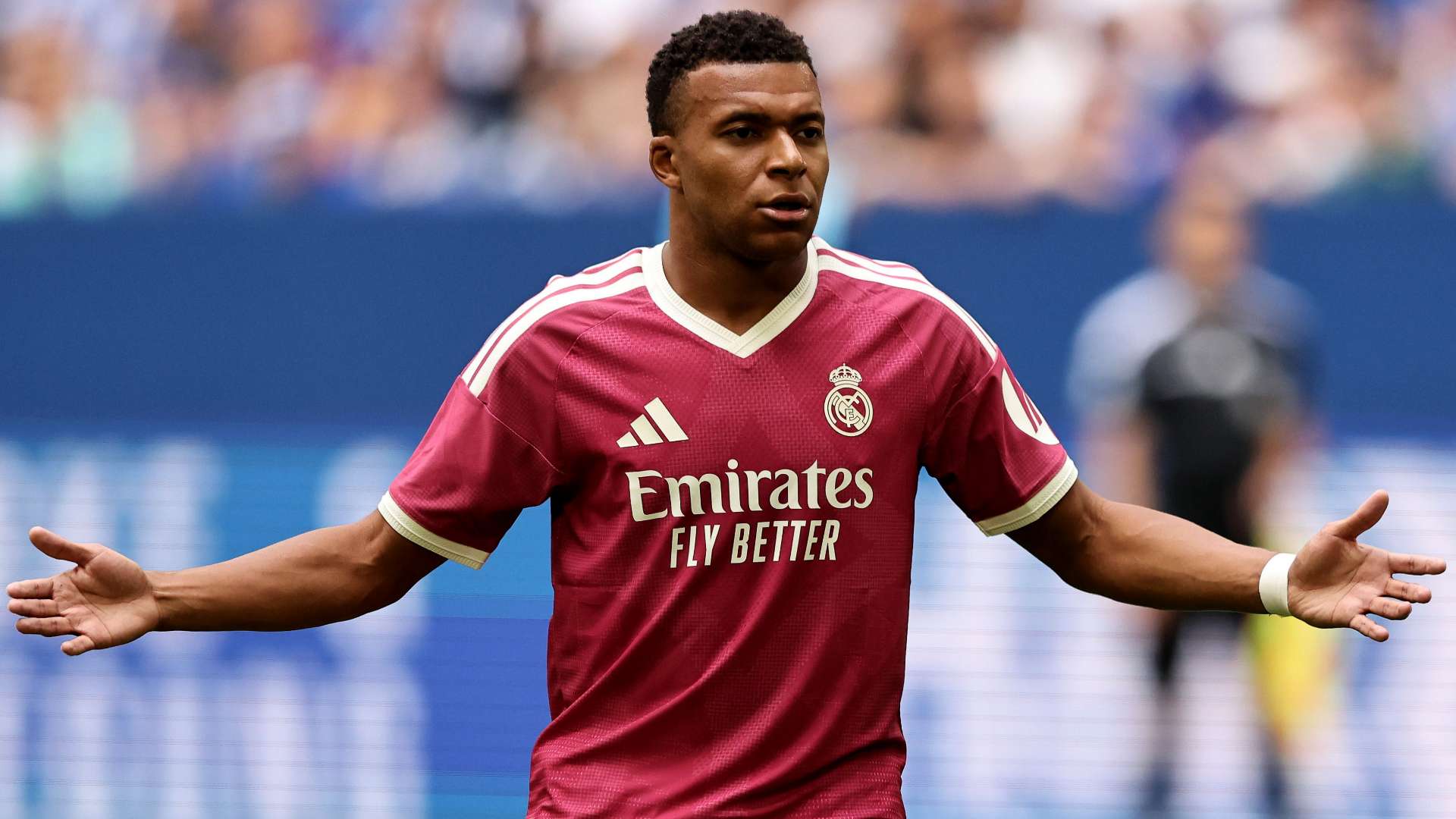
A brief comment by Kylian Mbappé has escalated into a major commercial headache for European football, highlighting how quickly political sensitivities can affect broadcasting, sponsorship and player marketing. The French star’s remarks about an image associated with former Chinese leader Mao Zedong prompted an angry response on Chinese social media, followed by apologies from Mbappé, Real Madrid and La Liga.
The episode is more than a celebrity controversy. It offers a sharp reminder that football’s global business is closely connected to China, where broadcasters, sponsors and millions of fans represent valuable opportunities. When relations sour, the consequences can reach well beyond one player’s reputation—affecting clubs, leagues and the companies that rely on access to the market.
How Mbappé’s remarks triggered a backlash
The dispute began with a clip from a filmed interview in which Mbappé discussed a satirical image that placed his face over that of a Chinese political figure. He described the figure as a Chinese dictator but did not name Mao Zedong. The image was nevertheless associated with the former leader, and the comments quickly drew criticism from Chinese users online.
Mbappé later apologised, saying he regretted causing offence to people in China and elsewhere. Real Madrid issued an apology to the Chinese public, while La Liga president Javier Tebas also sought to calm the situation. But the statements did not immediately restore confidence or prevent commercial fallout.
Media reports said several Chinese companies—including Mengniu Dairy Group, Shanghai Milkground and Dongpeng Beverage—had ended or cut their commercial relationships with the forward. The reported decisions put a portion of Mbappé’s endorsement income at risk and could make future partnerships in China harder to secure. French newspaper Le Monde reported that some terminated agreements were worth around 50 million yuan, or approximately €6.7 million.
Why China matters to football
China’s importance to European football comes from more than its large audience. The market offers a combination of broadcast revenue, sponsorship, advertising, merchandise sales and opportunities to build long-term relationships with fans. For clubs and leagues facing intense competition for income, losing access to any of those channels can have a significant impact.
La Liga’s broadcasting arrangements illustrate the scale of that opportunity. In August 2026, the Spanish competition announced an agreement with Migu, a platform owned by China Mobile, to serve as its exclusive online broadcasting partner in mainland China for the 2026–27 through 2029–30 seasons. The deal includes access to all 380 league matches in each campaign.
That kind of agreement connects the league to viewers across the country and gives broadcasters a prominent role in how fans watch football. It also makes the relationship commercially sensitive: a public dispute involving a high-profile player can become a concern for partners whose business depends on a stable, appealing product.
Real Madrid faces its own risks. Mbappé is one of the club’s most recognisable players, and his profile supports shirt sales, merchandise demand and international marketing. If his image becomes difficult to promote in China, the club could lose opportunities to sell products or attract new sponsors. The impact may not be immediate or easy to measure, but reputational friction can influence future commercial decisions.
For the player, the stakes are especially direct. Endorsement contracts can be cancelled, campaigns may be paused, and brands may reconsider whether associating with a global athlete is worth the risk of controversy. A single incident does not necessarily close the Chinese market permanently, but it can make the path back more complicated.
Sport has faced similar China-related disputes
The Mbappé affair fits a wider pattern in which political comments or public demonstrations have led to commercial consequences in international sport. One of the most prominent examples came in 2019, when Houston Rockets general manager Daryl Morey posted support for pro-democracy protesters in Hong Kong.
Chinese broadcasters stopped showing NBA games, and the dispute developed into a prolonged standoff. Coverage returned in March 2022 after an absence of roughly 18 months. The financial damage was widely described as substantial, although estimates varied depending on which revenues and time periods were included. Morey remained in his role, but the episode showed how a comment by one executive could affect an entire league’s relationship with a major market.
Football has experienced comparable pressure. In December 2019, Mesut Özil criticised China’s treatment of the Uyghur Muslim minority. Chinese television removed an Arsenal and Manchester City match from its schedule, while Arsenal emphasised that Özil’s remarks represented his personal views. The incident demonstrated the difficulty clubs face when trying to balance a player’s right to speak with commercial relationships in a sensitive market.
The Women’s Tennis Association took a different approach after Chinese player Peng Shuai disappeared from public view following her allegation that a senior Chinese official had sexually assaulted her. In December 2021, the WTA suspended tournaments in China and Hong Kong, calling for assurances about Peng’s safety and a transparent investigation. China had hosted nine WTA events in 2019, including the season-ending championship, so the decision carried major financial risks.
Reuters reported that the suspension could cost the organisation hundreds of millions of dollars. The WTA resumed tournaments in China in April 2023, after about 16 months, acknowledging that the standoff had imposed significant costs on players and events while producing limited progress on its original demands.
Chinese broadcasters also withheld Premier League coverage in March 2022 during a round in which teams and players showed solidarity with Ukraine, including through the use of Ukrainian-coloured armbands. The episode reinforced how quickly broadcast access can become part of a broader political dispute.
What the controversy means for football’s future
There is no simple prediction for how long the current backlash will last or whether Mbappé’s Chinese partnerships can be rebuilt. Commercial decisions may change over time, and public reaction can cool. Still, the episode underlines the need for clubs, leagues and athletes to understand how remarks, images and political references may be interpreted across different audiences.
For football organisations, the challenge is not simply to protect revenue. They must also decide how to respond when commercial interests collide with public expression and political pressure. Apologies can help contain a crisis, but they do not guarantee that sponsors or broadcasters will immediately return.
China’s market remains too significant for many global sports businesses to ignore, yet dependence on it creates vulnerability. The Mbappé controversy shows that football’s worldwide popularity brings both opportunity and risk: a player’s words can travel across borders in seconds, while the financial consequences may reach clubs, leagues and sponsors for much longer.