
Mbappé Controversy in China Escalates as CCTV Reportedly Drops Real Madrid Matches
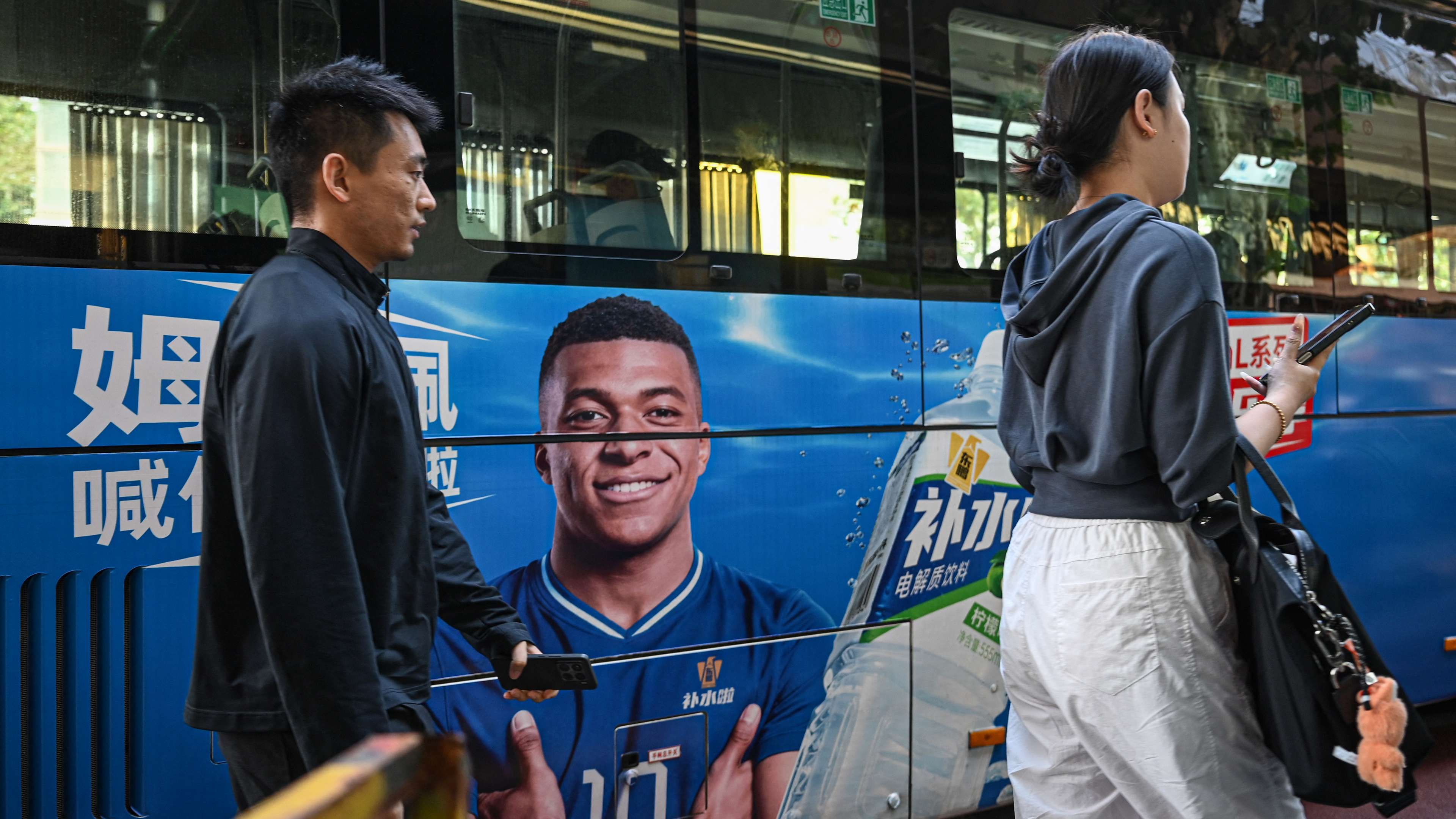
The controversy surrounding Kylian Mbappé has taken a significant turn in China, where state broadcaster CCTV has reportedly suspended coverage of La Liga matches featuring the Real Madrid forward and removed advertisements starring him. The reported move adds a major media dimension to a dispute that has already cost the French football star several commercial partnerships in the country.
The backlash follows remarks attributed to Mbappé about a satirical image that appeared to place his face on the body of former Chinese leader Mao Zedong. While the authenticity and full context of the circulating video have been questioned, the interpretation has spread widely on Chinese social media, prompting criticism from users, businesses and, eventually, the Chinese Foreign Ministry.
What Is Known About CCTV’s Reported Decision?
According to Spain’s EFE news agency, citing the Chinese publication The Paper and sources within CCTV, the broadcaster’s decision took effect overnight from Monday into Tuesday. CCTV has not issued an official public statement confirming that it has suspended the matches or withdrawn Mbappé-related advertisements.
That lack of confirmation leaves some details unclear, including how long the reported suspension may last and whether it applies to every La Liga fixture featuring the Real Madrid player. Still, the reported action is notable because CCTV is a major broadcaster, and its football coverage can shape how millions of viewers follow the Spanish league.
For supporters, the immediate concern is practical: if the reports are accurate, viewers in China could find it harder to watch matches in which Mbappé plays. The situation also highlights how quickly a dispute involving a global athlete can move beyond social media and affect sports broadcasting, sponsorships and access to live football.
Three Chinese Brands End Their Partnerships
The reported broadcasting change follows decisions by three Chinese companies to end their commercial relationships with Mbappé. Beverage producer Dongpeng, dairy company Mengniu and cheese manufacturer Milkground have all announced that they are ending cooperation with the player. Each had previously used his name or image in advertising campaigns.
The companies cited a “zero tolerance” approach towards statements or actions they regard as offensive to Chinese national sentiment. Their responses show how brands may react when public criticism becomes widespread, particularly in a market where consumer opinion and national identity can become closely linked.
For Mbappé, the commercial consequences could prove significant. Global athletes often work with sponsors across several industries, and controversy in one market can prompt companies to reassess the risks of continuing a partnership. The decisions by the three firms do not, by themselves, establish the full financial impact, but they demonstrate that the dispute has moved well beyond online debate.
How the Mao Zedong Image Became the Focus
The controversy appears to have begun with a video clip in which Mbappé discusses satirical images made using his features. In the clip, he reportedly says that one of the images he finds amusing is a composite showing his face on the body of a man he describes as a “Chinese dictator.”
Agence France-Presse’s digital fact-checking service initially said it could not confirm the video’s authenticity. Nevertheless, online discussion connected the reported remark to a satirical image featuring Mao Zedong, who led China for decades and remains a highly sensitive figure in the country’s public and political life.
The distinction between what can be independently verified and what has been widely interpreted online is important. The controversy has developed around a circulating clip and the meaning attributed to it, rather than a fully established account of the original recording and its context. That uncertainty has not prevented the criticism from spreading or companies from making decisions.
As the clip circulated, some Chinese social media users accused the footballer of disrespecting the country and its people. In a highly connected online environment, a short video can rapidly become a wider public issue—especially when it involves a famous international athlete and a politically significant historical figure.
Chinese Foreign Ministry Responds
The dispute also drew a response from Beijing. At a regular press conference on Tuesday, Foreign Ministry spokesman Guo Jiakun said: “Any words or actions that hurt the feelings of the Chinese people will naturally be met with widespread rejection from the entire Chinese society.”
Guo’s remarks did not provide further details about Mbappé or the broadcaster’s reported decision. However, they reflected the strength of public reaction and gave the controversy an official diplomatic dimension. Once a matter reaches that level, companies and media organisations may face additional pressure to consider how their choices will be received by audiences.
What the Fallout Could Mean for Football and Mbappé
The episode illustrates the increasingly global nature of football stardom. Players are not only judged by their performances on the pitch; their public comments, advertising work and online presence can also affect relationships with fans, broadcasters and sponsors across different countries.
For Real Madrid and La Liga, the reported suspension raises questions about visibility in an important international market. Regular broadcasts help leagues build audiences and support commercial partnerships. If coverage featuring one of the sport’s most recognisable players is interrupted, the effects may reach beyond the individual and touch the wider football product.
There is also a broader lesson for brands and sports organisations: context matters, but public perception can move faster than formal verification. In this case, the clip’s authenticity was initially uncertain, yet the reaction was swift. Companies have acted, the Foreign Ministry has commented, and CCTV is reported to have changed its programming.
Prediction: A Sensitive Issue with an Uncertain Timeline
For now, the likely next steps remain difficult to predict. CCTV has not publicly confirmed the reported suspension, and there is no clear indication of whether the broadcaster will restore the matches or advertisements. The length of the commercial fallout may depend on whether new information clarifies the clip’s source and context, and whether Mbappé or his representatives respond publicly.
Until then, the controversy is likely to remain a talking point among Chinese football fans and international sports observers. What began with a disputed video has grown into a test of how global football figures navigate cultural sensitivities—and how quickly a controversy can affect broadcasting, sponsorship and the way fans experience the game.