

Barcelona’s Challenging Encounter at Levante: A Test of Resilience and Physicality
In a match that transcended traditional football tactics and showcased a brutal test of physical endurance, Barcelona’s recent trip to Levante proved to be much more than a routine fixture in the Spanish La Liga. What was expected to be a showcase of their attacking prowess turned into a grueling battle of strength, resilience, and mental toughness. This encounter highlighted a different side of football—where grit and determination often overshadow technical finesse.
Barcelona’s Promising Start Meets Fierce Resistance
The match kicked off with Barcelona displaying their characteristic attacking flair, aiming to extend their winning streak early in the season. The Catalan giants managed to carve out multiple goal-scoring opportunities, and their relentless pressure culminated in an early barrage that saw them net two quick goals in the first half. Fans and pundits alike anticipated a comfortable victory as Barcelona appeared to dominate possession and dictate the tempo of the game.
However, Levante responded with a level of intensity that caught even seasoned football analysts by surprise. The hosts refused to back down, unleashing a physical style of play that sought to disrupt Barcelona’s rhythm at every turn. Challenges became increasingly aggressive, with Levante players engaging in relentless duels that tested Barcelona’s resilience on the pitch. It was clear from the outset that this would be more than a straightforward game of football; it was a brutal physical examination.
The Physical Toll and Controversial Incidents
The intensity of the match soon manifested in tangible ways, with several Barcelona players requiring medical attention after clashes with Levante opponents. One of the most dramatic moments came when Gerard Martín, a key figure in Barcelona’s defense, was involved in a contentious incident. While battling Levante forward Víctor García for possession, Martín was subjected to a ferocious elbow strike. García’s attempt to regain control of the ball resulted in contact that was both forceful and reckless.
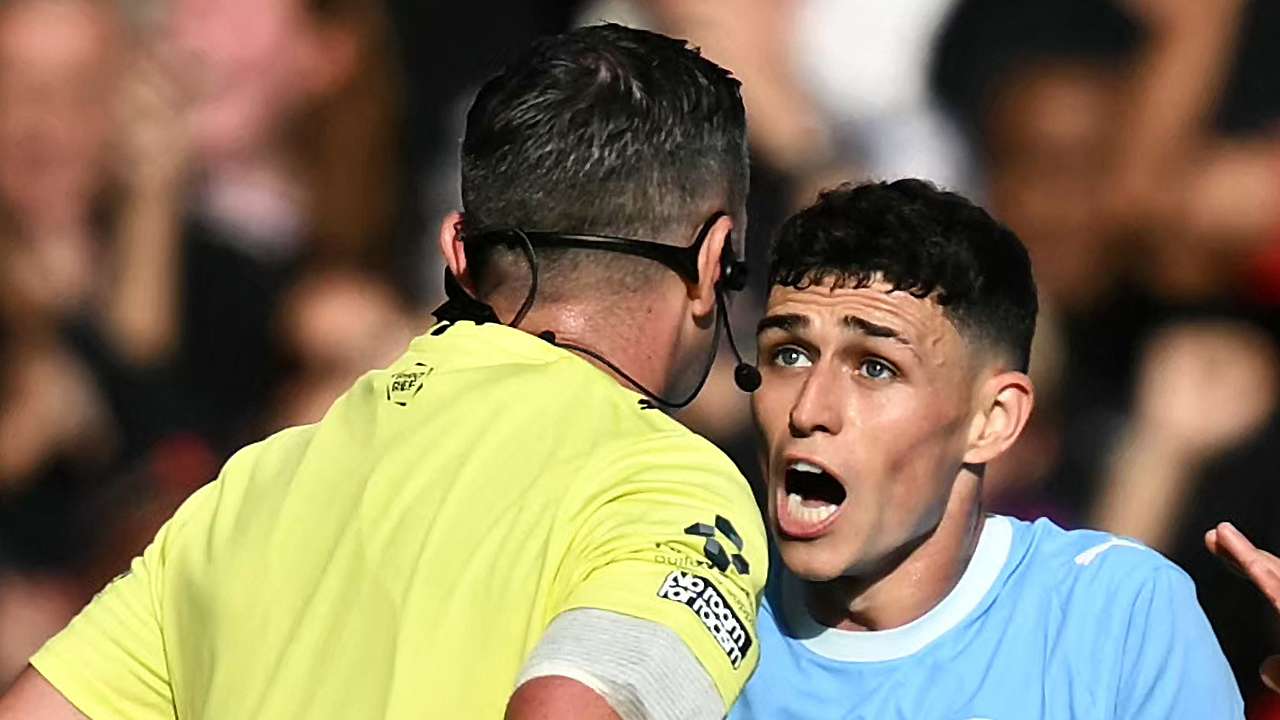
Martín crashed to the ground, blood pouring from his face, prompting immediate medical intervention from Barcelona’s team doctors. Despite the severity of the collision, referee Jon Ander González—officiating his first La Liga match at this level—chose to wave play on, ignoring the apparent foul. The decision sparked controversy among fans and commentators, who questioned the referee’s judgment, especially given the bloodied state of Martín and the violent nature of the challenge.
Adding to the drama, Barcelona believed they had earned a penalty after a challenge on Pedri. However, the assistant referee raised his flag for offside, nullifying the potential spot-kick. Such moments underscored the unpredictable and often contentious nature of football, where decisions can swing the momentum and influence the game’s outcome.
Mounting Physical Challenges and Tactical Adjustments
The game’s physicality continued to escalate as the minutes progressed. Challenges became more aggressive, with players engaging in heavy tackles that blurred the line between fair play and foul play. Barcelona found themselves increasingly pressed and under pressure, especially as the referee opted to let many of the rough challenges go unpunished. This approach emboldened Levante players to maintain their physical edge, creating a tense atmosphere that tested Barcelona’s composure.
During this tumultuous phase, Barcelona faced a significant setback. Gerard Martín, after receiving a yellow card for a subsequent challenge, was forced off the pitch to undergo treatment for his facial injuries. The team’s head coach, Hansi Flick, decided to substitute him at halftime to prevent further injury, especially considering the earlier incident and the mounting physical toll. This strategic decision underscored the importance of player safety in high-stakes matches and highlighted how the physical demands of the game can influence tactical choices.
Not long after, Xavi Espart, another Barcelona defender, was on the receiving end of a heavy blow to the stomach. The impact left him doubled over in discomfort, prompting temporary substitution and medical assessment. Such incidents revealed the gritty, no-holds-barred nature of the contest, where players often had to battle through pain and adversity to stay on the pitch.
Implications for Football Prediction and Match Analysis
This intense encounter at Levante serves as a compelling case study for football prediction enthusiasts and analysts. While Barcelona entered the game as favorites, the physicality displayed by Levante demonstrated that such predictions must account for game-day realities—especially when teams adopt aggressive approaches to disrupt the opposition’s rhythm.
Football prediction models increasingly incorporate factors like team physicality, injury potential, and referee tendencies. This match exemplifies how unexpected variables—such as aggressive challenges and refereeing decisions—can dramatically alter the predicted outcome. For bettors and analysts, understanding these nuances is crucial for making accurate predictions, particularly in leagues where physicality varies significantly between teams.
Broader Context: The Evolution of Physicality in La Liga
Historically, La Liga has been celebrated for its technical prowess and tactical sophistication. However, recent seasons have seen a resurgence of physical confrontations, especially among teams aiming to frustrate possession-based styles like Barcelona’s. Levante’s approach in this match underscores a broader trend: a shift towards more robust, physical strategies to counteract possession-heavy teams.
This shift has implications beyond individual matches. It influences how teams prepare for encounters, with an increased emphasis on strength, stamina, and mental resilience. For football prediction and analysis, recognizing these tactical evolutions is vital for accurate forecasting and understanding team dynamics.
Looking Forward: Lessons and Insights
This gripping fixture at Levante has offered several key insights for fans, analysts, and teams alike. For Barcelona, it highlighted the importance of maintaining composure amid intense physical challenges and adapting their tactical approach when faced with aggressive opponents. For Levante, it demonstrated that physicality and resilience can serve as effective tools against more technically gifted sides.
As for football prediction, this match reiterates the importance of factoring in elements such as team discipline, physical readiness, and refereeing tendencies. While technical skill remains paramount, the physical and mental dimensions of the game can decisively influence outcomes—especially in fiercely contested matches like this one.
Conclusion: A Testament to the Unpredictability of Football
In summary, Barcelona’s encounter at Levante was a vivid reminder of football’s unpredictable nature. Beyond goal scores and tactical formations, the game’s physical demands and the resilience of players often determine the final result. For fans and prediction enthusiasts, matches like these emphasize the need to consider a broad spectrum of factors—physicality, refereeing, and mental toughness—when analyzing or forecasting football outcomes.
Looking ahead, this game sets a precedent for future encounters in La Liga and beyond. Teams will likely adopt varied strategies—balancing technical skill with physical resilience—to succeed in an increasingly competitive and physically intense football landscape.
Ultimately, matches that test players’ endurance and resolve not only entertain but also deepen our understanding of the beautiful game’s multifaceted nature. As the season unfolds, football prediction models will continue to evolve, integrating these insights to better anticipate the surprises that make football the world’s most beloved sport.