
Manchester United Set to Part Ways With Michael Carrick, Report Says
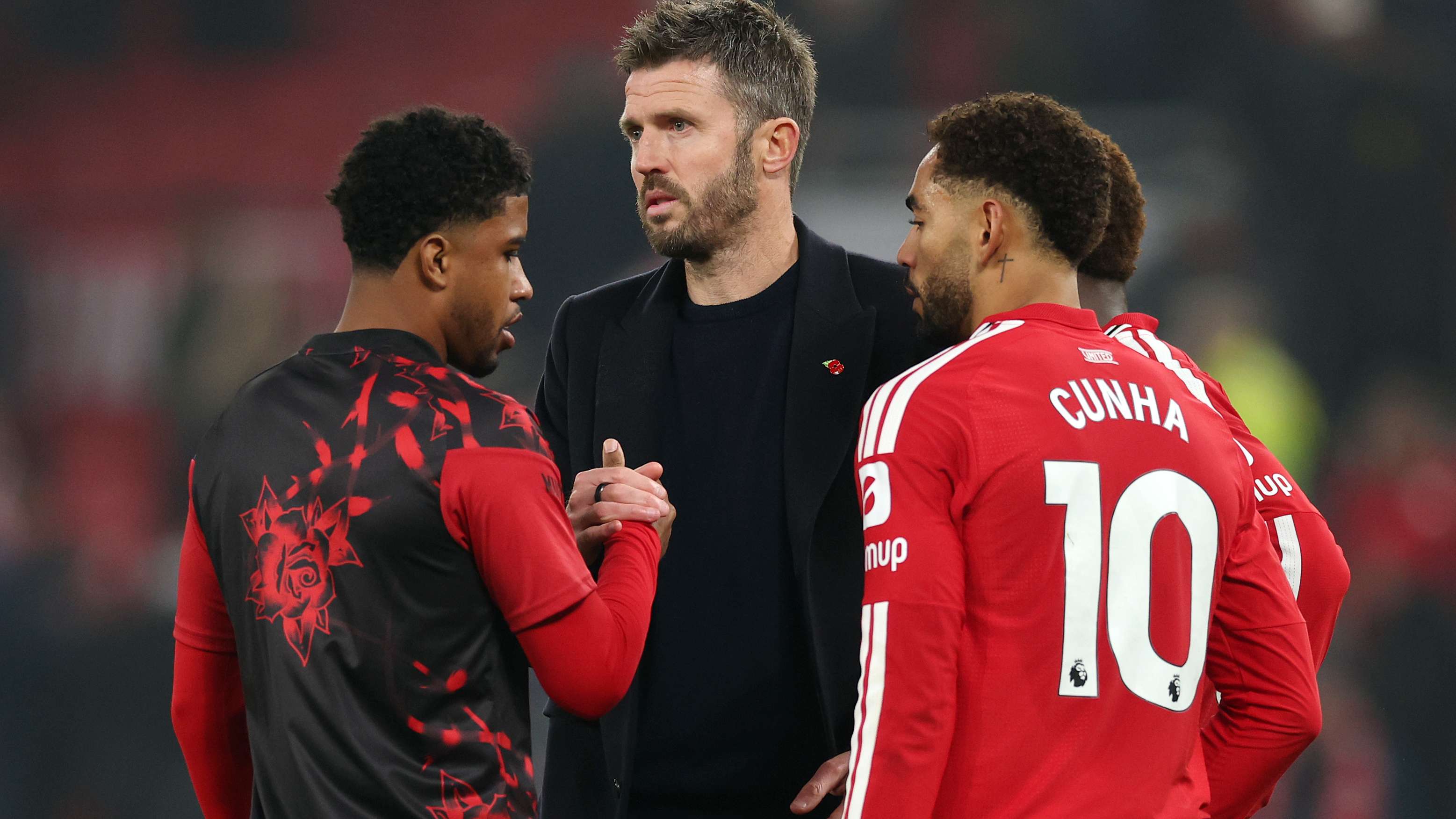
Manchester United are preparing to dismiss manager Michael Carrick, according to a report by The Athletic, with the club expected to appoint a new boss before their Premier League visit to Liverpool on 22 November. The looming change would bring an abrupt end to Carrick’s permanent spell at Old Trafford and place fresh attention on the club’s search for a manager capable of restoring consistency.
United’s leadership are reportedly unconvinced that Carrick can turn around the team’s difficult start to the season. The timing is significant: the Manchester side are scheduled to face Liverpool at Anfield, one of the most demanding fixtures in English football. A new manager could therefore have little time to settle in before stepping into a high-pressure rivalry match.
A Difficult Start Leaves United in Trouble
Carrick began the campaign with expectations shaped by his previous success as interim manager. Last season, he guided United to an impressive third-place finish in the Premier League, strengthening his case for the permanent role. That achievement suggested he could provide both a clear tactical direction and the stability the club had been seeking.
This season, however, results have fallen sharply below those standards. United are reported to be 18th in the Premier League, inside the relegation zone, while they sit 17th among the 36 teams in the Champions League standings. Those positions leave little room for error. In the league, every dropped point increases the pressure, while in Europe the club must improve quickly to protect its prospects of progressing.
The contrast between last season’s top-three finish and the current campaign has intensified scrutiny of Carrick’s decisions. Supporters and analysts will be looking for more than isolated flashes of attacking quality: United need reliable defending, stronger control of matches and a run of results capable of moving them away from danger.
Mixed Results Fail to Ease Pressure
A 3-0 home defeat to Bournemouth proved a particularly damaging setback. Losing heavily at Old Trafford added to concerns about the team’s organisation and confidence, and reportedly left Carrick with just three matches to change the direction of the season.
His first opportunity to respond ended in a 2-0 loss to Chelsea, another result that increased the sense of urgency around the club. Yet United showed signs of resilience in the matches that followed. They recovered from a two-goal deficit to beat AS Roma 3-2 in the Champions League, demonstrating the attacking spirit needed to stay competitive in a difficult European campaign.
Last weekend, United again fought back, this time drawing 4-4 with Aston Villa after falling behind twice. The scoreline offered an entertaining spectacle and highlighted the team’s ability to respond under pressure. At the same time, conceding four goals raised questions about defensive discipline and game management. Comebacks can earn valuable points, but they do not necessarily resolve the problems that put a team behind in the first place.
Why the Liverpool Match Matters
The reported decision to act before the trip to Anfield reflects the importance of timing as well as results. Liverpool–Manchester United is among the most closely watched fixtures in English football, drawing attention from fans around the world. A new appointment would immediately face a demanding test, while leaving Carrick in charge could expose the club to further uncertainty if the team struggles again.
From a football prediction perspective, a managerial change can make a match harder to assess. A new coach may introduce different tactics, alter the starting lineup or give players a short-term lift. But a change of manager does not guarantee an instant improvement, particularly when there is limited time to train and prepare. United’s performance at Anfield would depend on how quickly the players adapt, whether key individuals are available and how effectively the team handles Liverpool’s pressure.
The fixture also carries significance beyond the league table. A competitive display could help restore confidence among supporters, while another heavy defeat would deepen concerns about the squad’s readiness to respond. For either manager, the challenge would be to balance the emotion of the rivalry with the practical need to secure points.
Three High-Profile Names Linked With the Job
The Athletic reports that United have three potential successors in mind: Mauricio Pochettino, Julian Nagelsmann and Antonio Conte. Each would bring a distinct profile and a different approach to the role, giving the club a consequential choice if Carrick’s departure is confirmed.
Mauricio Pochettino
Pochettino is known for energetic football, high pressing and a focus on developing players. His experience in the Premier League could help him adapt quickly to the demands of English competition. For United, the key question would be whether his approach could improve the team’s intensity while producing the defensive reliability currently missing.
Julian Nagelsmann
Nagelsmann has built a reputation as a tactically flexible coach who is comfortable working with modern systems and adaptable formations. His appointment could offer United a more structured football identity, although implementing a new style in the middle of a season would require patience from both the squad and the club’s hierarchy.
Antonio Conte
Conte is associated with demanding training, strong tactical organisation and an emphasis on immediate results. His experience could appeal to a club seeking a rapid response, but his high-intensity methods would also require commitment from the players. Any discussion about his candidacy would likely focus on whether his approach fits United’s longer-term plans as well as its urgent need for points.
What Happens Next for Manchester United?
For now, Carrick’s reported departure remains the central story, but the wider issue is the scale of the task facing whoever takes over. United need to climb out of the relegation zone, improve their Champions League position and restore confidence after a turbulent run of results. That will require more than a change in the technical area: the new manager must quickly identify the team’s most urgent weaknesses and get consistent performances from the squad.
The coming days could determine whether United make a swift appointment or take additional time to assess their options. If the report proves accurate, the next manager will inherit a club under intense scrutiny and a fixture list that offers little breathing room. With Liverpool at Anfield approaching, Manchester United’s leadership must weigh the risks of acting immediately against the challenge of asking a new coach to deliver under pressure.