
Spain’s Bid to Host 2030 World Cup Final at Risk Due to FIFA President’s Relationship with Morocco
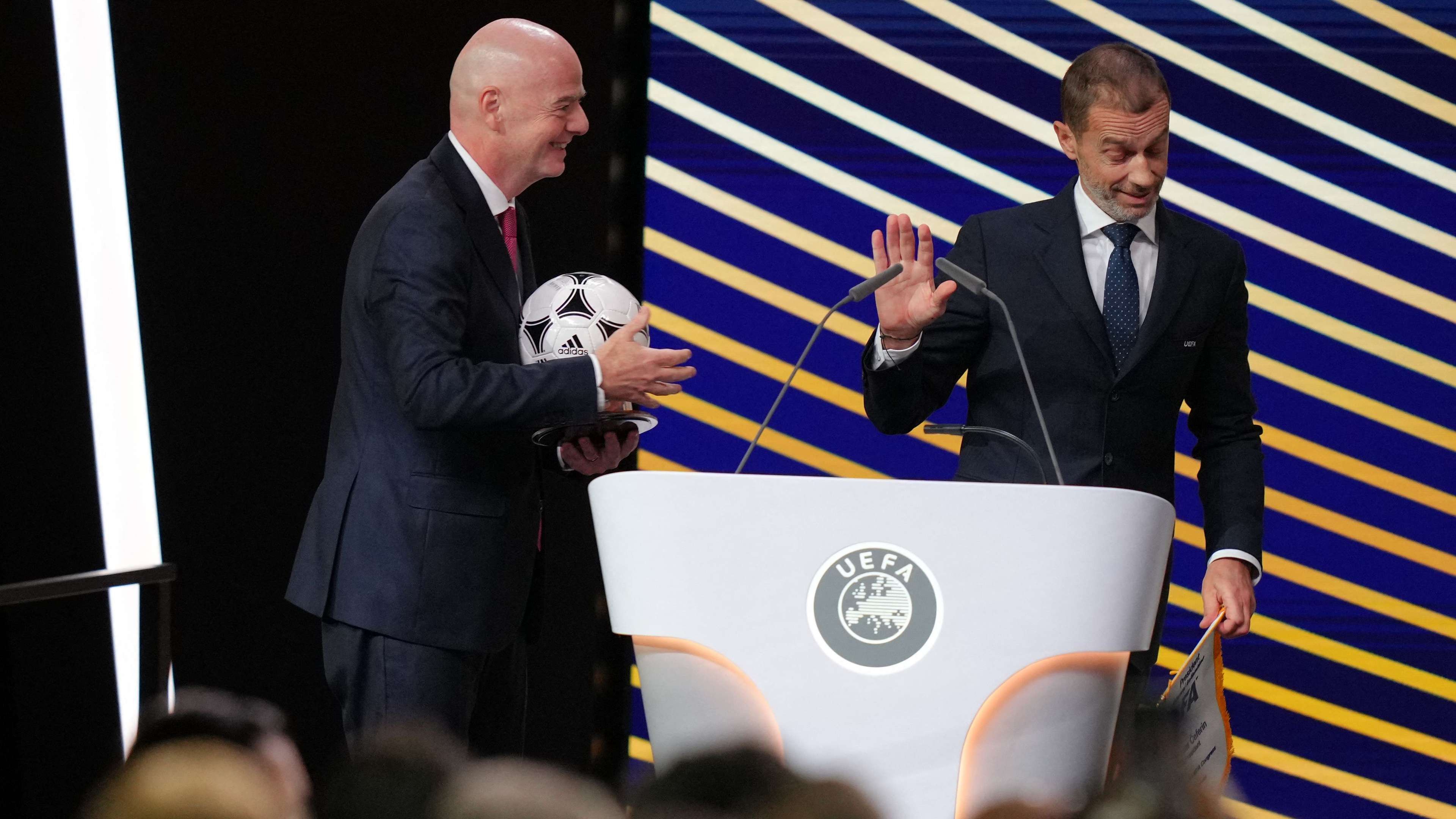
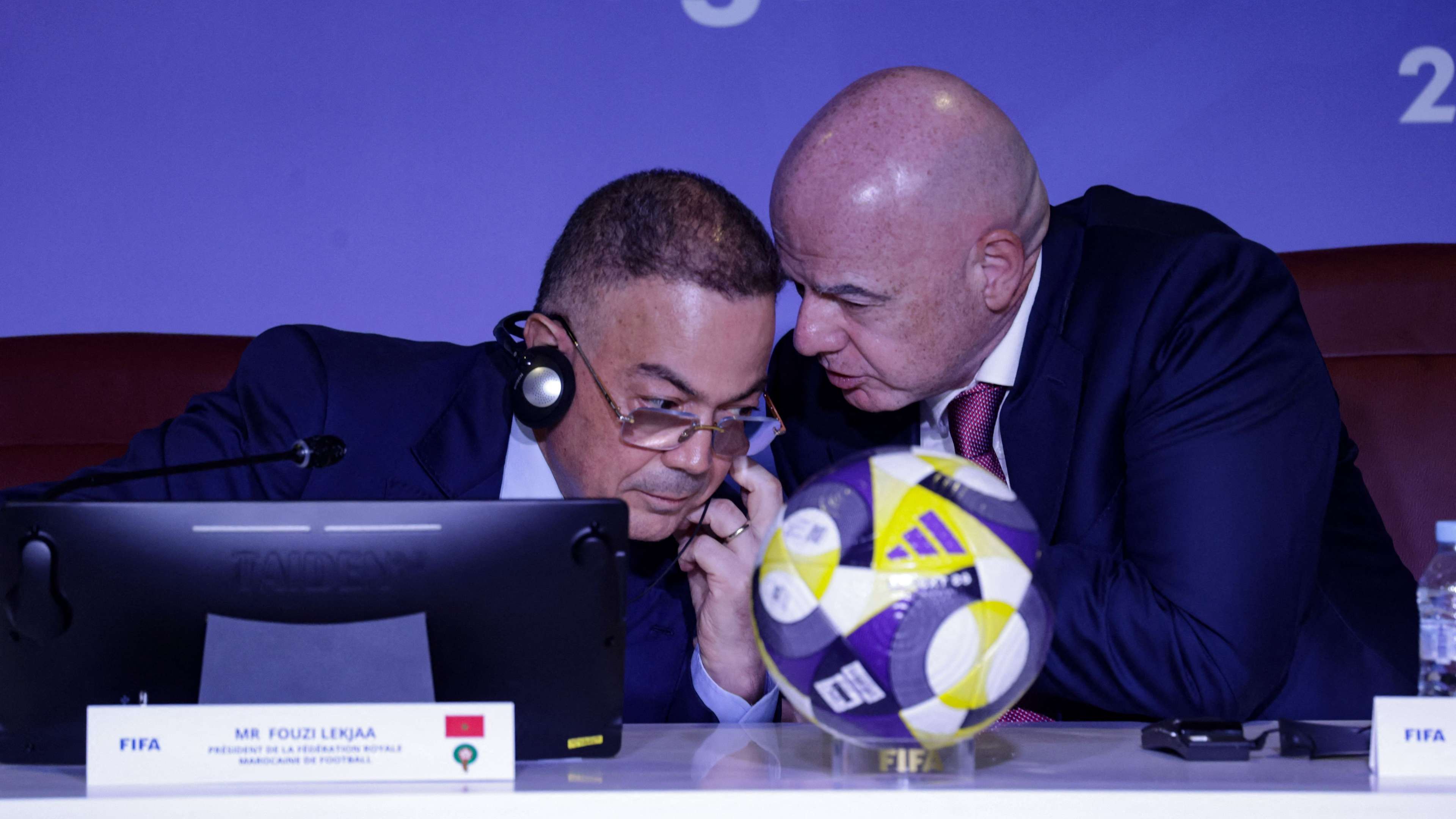
Alarm bells are ringing within the Royal Spanish Football Federation as concerns grow over the possibility of losing the right to host the 2030 World Cup final to Morocco. The close ties between FIFA president Gianni Infantino and the Kingdom of Morocco have raised fears that the prestigious event could be awarded to Rabat instead of Madrid.
Worries Within the Spanish Federation
Journalist Antón Meana recently highlighted the growing unease within the Spanish federation during an interview on the program “El Larguero.” Meana disclosed that there are genuine doubts among Spanish officials for the first time regarding the venue for the World Cup final.
He expressed, “There are concerns now because of the relationship between Morocco and FIFA. There are moves in Rabat that are causing displeasure among officials at Las Rozas, and Infantino’s conduct is causing concern.”
Infantino’s Alleged Bias Towards Morocco
Infantino’s influence as the FIFA president plays a significant role in determining where the final will take place. His frequent visits to Morocco in contrast to the lack of a visit to Spain since Luis Rubiales assumed leadership of the Spanish federation have raised suspicions of bias towards Morocco.
The upcoming inauguration ceremony of the next FIFA president in Morocco in March 2027 further strengthens ties between Infantino and Moroccan officials, potentially tipping the scales in favor of Rabat to host the final.
Dispute Between FIFA and UEFA
Complicating Spain’s bid is a dispute between FIFA and UEFA, which significantly weakens Madrid’s chances of securing the final. Despite experts confirming that the Santiago Bernabéu stadium in the Spanish capital is an ideal venue for the event, the ongoing conflict between the two governing bodies poses a challenge to Spain’s bid.
Meana emphasized that the Spanish federation remains committed to hosting the World Cup and has no plans to withdraw their bid even if Morocco wins the final hosting rights. The federation stresses the importance of the World Cup to Spain and aims to host the majority of matches regardless of the outcome.
As the battle between Madrid and Rabat for the hosting rights intensifies, the football world eagerly awaits the final decision on where the 2030 World Cup final will take place.
The Significance of Hosting the World Cup Final
Hosting the World Cup final is not just a matter of prestige; it also brings significant economic benefits to the host country. The influx of tourists, media coverage, and global attention can boost the local economy and promote tourism for years to come. Spain, as a football-loving nation, stands to gain immensely from hosting such a monumental event.
Additionally, hosting the final can have a lasting impact on the country’s infrastructure and sports facilities. The investment required to upgrade stadiums, transportation systems, and accommodations can lead to long-term improvements that benefit both athletes and fans. Spain’s bid to host the final reflects not only its love for football but also its commitment to enhancing its sporting infrastructure.
The Role of Politics in FIFA Decision-Making
The relationship between FIFA and various countries is often influenced by political factors that go beyond just sporting considerations. The close ties between FIFA president Gianni Infantino and Moroccan officials highlight the complex interplay between sports, diplomacy, and power dynamics. The decision on where to host the World Cup final is not solely based on the merits of the bidding countries but also on the political relationships that FIFA maintains.
Spain’s concerns over the potential bias towards Morocco underscore the broader issue of political influence in international sports governance. As countries vie for the opportunity to host major sporting events, the role of politics in shaping these decisions becomes increasingly evident.
The Impact of the FIFA-UEFA Dispute
The ongoing dispute between FIFA and UEFA adds another layer of complexity to Spain’s bid to host the World Cup final. The rift between the two governing bodies not only complicates the decision-making process but also casts a shadow of uncertainty over the final outcome. Spain’s bid may be affected not only by its relationship with FIFA but also by the broader implications of the FIFA-UEFA conflict.
Despite these challenges, Spain remains steadfast in its commitment to hosting the World Cup and showcasing its capabilities as a host nation. The resilience and determination of the Spanish federation in the face of political uncertainties and organizational disputes demonstrate its unwavering dedication to bringing the World Cup to its shores.
The Future of World Cup Hosting
The bidding process for hosting major sporting events like the World Cup is evolving, with greater emphasis placed on transparency, fairness, and accountability. As the competition for hosting rights intensifies, countries must navigate the intricate web of political, economic, and sporting considerations to secure the opportunity to host these prestigious events.
Spain’s bid to host the 2030 World Cup final exemplifies the challenges and opportunities that come with hosting major sporting events in the modern era. The outcome of this bidding process will not only determine the location of the final but also shape the future of World Cup hosting and the relationships between FIFA, national federations, and host countries.
By delving into these intricacies and complexities surrounding Spain’s bid to host the 2030 World Cup final, we gain a deeper understanding of the multifaceted nature of international sports governance and the enduring allure of hosting major sporting events. As the countdown to the final decision begins, the world eagerly anticipates the next chapter in the ongoing saga of World Cup hosting.