
Andrey Arshavin’s Four-Goal Anfield Masterclass: The Night Liverpool and Arsenal Shared Eight Goals
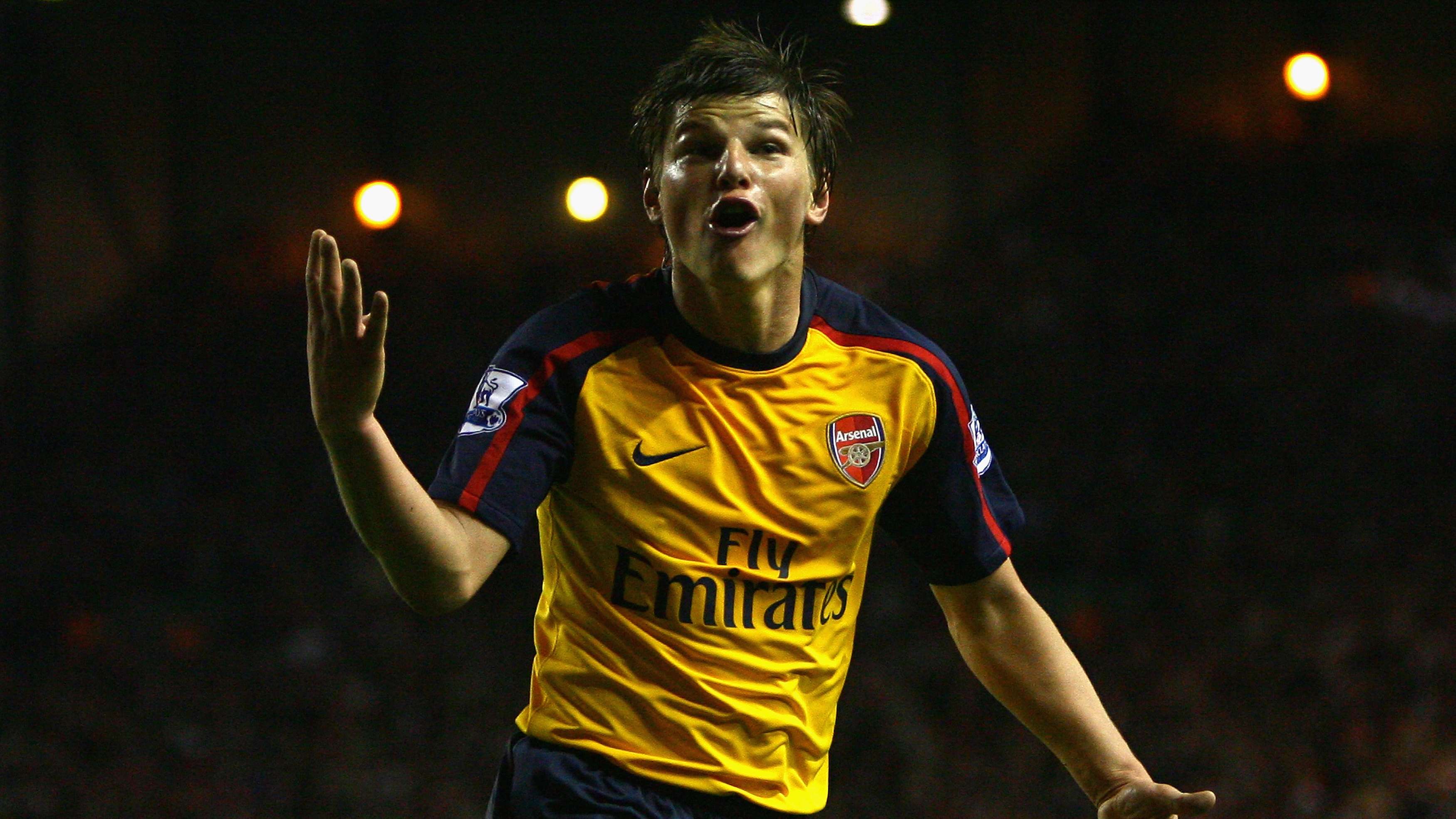
On a charged April evening in 2009, Anfield became the stage for one of the most unforgettable matches in Premier League history. Liverpool and Arsenal traded goals in a breathless 4-4 draw, with Russian forward Andrey Arshavin scoring all four of the visitors’ goals. Fernando Torres and Yossi Benayoun each struck twice for Liverpool, rescuing a point in the closing minutes but unable to take the spotlight from Arsenal’s extraordinary match-winner.
The result carried real weight in the title race. Liverpool were pushing to catch Manchester United at the top of the table, and every dropped point mattered. Arsenal, meanwhile, arrived determined to challenge one of the league’s leading sides. What followed was more than a dramatic scoreline: it was a vivid reminder of how quickly a football match can escape its tactical script and become a contest of nerve, momentum and individual brilliance.
A Premier League title race under pressure
By the time the teams met on 21 April, Liverpool were in the thick of the battle for the 2008–09 Premier League crown. Rafael Benítez’s side had built its challenge on defensive organisation, intensity and the attacking partnership of Torres and Steven Gerrard. Arsenal, managed by Arsène Wenger, were known for their technical quality and ability to exploit space, even when facing a physically imposing opponent away from home.
The stakes made the atmosphere especially intense. A win would have strengthened Liverpool’s pursuit of the leaders; a draw offered only limited comfort. The 44,424 supporters inside Anfield saw two sides willing to attack, and the presence of Liverpool’s co-owners, Tom Hicks and George Gillett, added to the sense of occasion. Yet no one in the ground could have predicted how completely one Arsenal player would shape the night.
Arshavin turns opportunity into history
Arshavin had joined Arsenal from Zenit St Petersburg earlier in 2009, bringing a reputation for creativity and sharp movement. At Anfield, he displayed both—but with remarkable efficiency. Arsenal did not need a long spell of dominance to hurt Liverpool. Instead, Arshavin repeatedly found ways to punish defensive lapses, turning openings into goals with composure and precision.
His first goal gave Arsenal the lead before half-time, changing the mood of the contest. Liverpool responded after the break through Torres, whose strength and finishing helped bring the home side level. But every time Liverpool seemed to have seized control, Arshavin found another answer. His second goal restored Arsenal’s advantage, and his third came during a frantic period when both teams appeared capable of scoring whenever they crossed into the attacking third.
The Russian completed his remarkable four-goal haul in the second half, becoming the first visiting player to score four goals at Anfield in a league match. Each finish told a slightly different story: alert positioning, quick decisions and the confidence to act decisively under pressure. Arshavin was not simply benefiting from a chaotic game; he was reading it faster than anyone else.
Liverpool refuse to give in
For Liverpool, the match was a test of character as much as a tactical challenge. Torres scored twice, using his pace and movement to trouble Arsenal’s defence and keep the home side within reach. His goals reflected the qualities that had made him such a threat in English football: acceleration into space, sharp instincts and a calm finish when the chance arrived.
Benayoun provided the late drama. The Israeli midfielder had a knack for appearing in important moments, and his two goals helped Liverpool recover from setbacks that might have ended the contest for another team. His late equaliser, scored in the closing stages, brought Anfield to life and completed the 4-4 scoreline. Liverpool had come back repeatedly, but the final whistle confirmed that their pursuit of the title had suffered a significant setback.
The result was an unusual blend of frustration and exhilaration. Liverpool had scored four at home and still failed to win; Arsenal had conceded four and left with a valuable point. For neutral viewers, the match offered a rare spectacle in which attacking ambition repeatedly overwhelmed defensive caution.
Why the 4-4 draw still matters
The Anfield thriller remains a defining Premier League memory because it combined a high-stakes title race with an individual performance of exceptional quality. Eight goals alone would make the game memorable, but the shifting lead made it feel unpredictable from start to finish. Liverpool’s repeated comebacks created hope, while Arshavin’s finishing ensured Arsenal always had a response.
The match also illustrates a wider lesson about football: control is not always the same as security. A team can have the crowd, the momentum and the attacking pressure, yet still be vulnerable to a player who recognises space and acts decisively. Arshavin’s four goals turned small defensive openings into a historic performance, while Liverpool’s resilience showed why they remained a serious title contender despite the dropped points.
For supporters revisiting the match, the best prediction would have been impossible to make with confidence. The teams’ contrasting strengths suggested a competitive encounter, but few could have forecast a four-goal haul for one player or a late Liverpool comeback from behind. That uncertainty is part of what makes the fixture such a compelling reference point for Premier League fans and football analysts alike.
Looking ahead to Liverpool vs Arsenal
The rivalry continues to attract attention whenever Liverpool and Arsenal meet. Their next listed Premier League fixture is scheduled for 2 November 2026, although kick-off details and broadcast information should be checked closer to the date. Any preview will naturally invite comparisons with 2009, but modern squads, managers and tactical approaches make each meeting a new challenge rather than a replay of the past.
For fans considering a match prediction, key factors will include current form, injuries, defensive consistency and how effectively each side handles transitions. Liverpool’s home intensity and Arsenal’s technical threat have often made this fixture difficult to call. The 4-4 classic offers a reminder that even the most confident forecast can be overturned once the whistle blows.
More than a decade later, Arshavin’s four goals remain the headline, but the full story belongs to both teams. Liverpool’s fightback, Arsenal’s clinical counterattacks and the relentless swings in momentum created an evening that captured the drama of the Premier League at its most unpredictable. At Anfield, in April 2009, neither side could deliver the decisive blow—and football gained one of its most enduring nights.