
Exploring the FIFA World Cup Golden Glove Award Winners Throughout History
Since its inception in 1994, the FIFA World Cup Golden Glove award has been a prestigious honor bestowed upon the standout goalkeeper of the tournament. While some legendary goalkeepers like Gordon Banks and Lev Yashin missed out on this individual accolade, several remarkable keepers have etched their names in football history by winning the Golden Glove.
Understanding the FIFA World Cup Golden Glove Award
The FIFA World Cup Golden Glove award is presented to the best goalkeeper of the tournament, regardless of whether their team wins the World Cup. Formerly known as the ‘Yashin Award’ in honor of the iconic Russian goalkeeper Lev Yashin, the accolade has been awarded to eight different goalkeepers since its inception.
Notable Winners of the Golden Glove Award
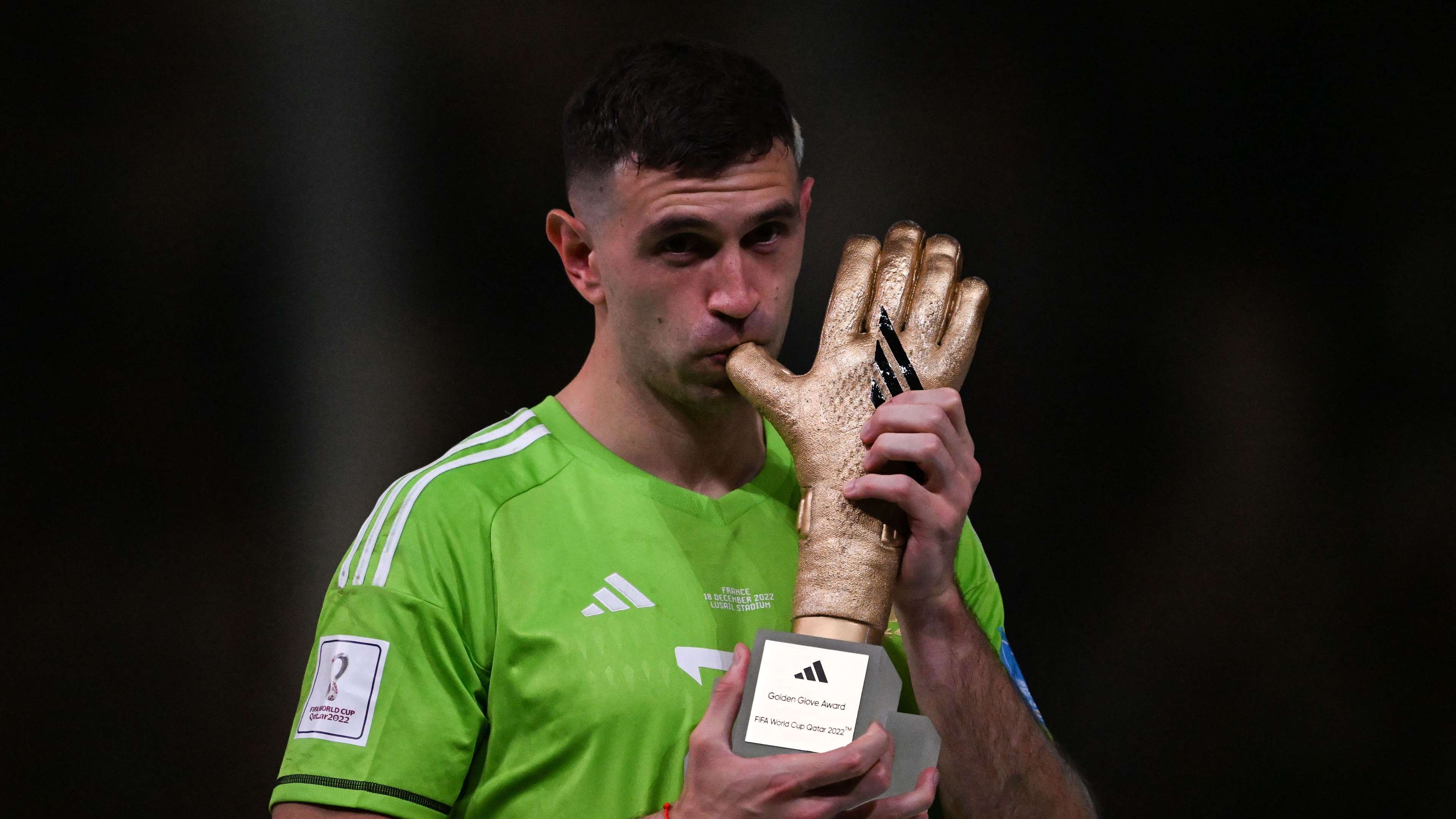
Among the notable winners of the Golden Glove award are Michel Preud’homme, Fabian Barthez, Oliver Kahn, Gianluigi Buffon, Iker Casillas, Manuel Neuer, Thibaut Courtois, and the most recent recipient, Emiliano Martinez from Argentina. While some of these goalkeepers went on to win the World Cup, others showcased exceptional performances despite their team’s outcomes.
For instance, Preud’homme’s Belgium was eliminated in the Round of 16 in 1994, yet he maintained an impressive record of conceding only one goal per game. Similarly, Courtois led Belgium to a third-place finish in 2018, while Neuer guided Germany to victory in 2014.
The Quest for Repeating the Golden Glove Win
Despite the excellence displayed by past winners, no goalkeeper has managed to win the Golden Glove award more than once. Each tournament cycle brings new challenges and opportunities for goalkeepers to showcase their skills on the world stage.
While some past winners, like Kahn and Casillas, faced setbacks in subsequent World Cup appearances, others like Courtois have been determined to make a mark in future tournaments. Martinez, the most recent winner, will have the chance to break the curse and defend his title in the 2026 World Cup.
The Elusive Golden Glove and Golden Ball Double
Although winning both the Golden Glove and Golden Ball awards is rare, German legend Oliver Kahn achieved this feat in 2002. Despite a standout performance throughout the tournament, Kahn’s only mistake came in the final against Brazil, where he conceded a goal. However, his overall performance earned him both prestigious accolades.
In the upcoming 2026 World Cup, goalkeepers like Martinez, Jordan Pickford, Alisson Becker, Mike Maignan, and Courtois will have the opportunity to vie for these coveted awards. The competition promises to be intense, but history shows that achieving both awards requires extraordinary performances and a bit of luck.
Despite the challenges that come with winning the Golden Glove and Golden Ball, goalkeepers continue to strive for excellence on the world stage, knowing that their contributions are essential to their team’s success in the tournament.
Evolution of Goalkeeping in the FIFA World Cup
Over the years, the role of goalkeepers in the FIFA World Cup has evolved significantly. Gone are the days when goalkeepers were primarily shot-stoppers; modern goalkeepers are expected to be commanding presences in the penalty area, adept at playing with their feet, and even initiating attacks. The Golden Glove award now not only recognizes exceptional shot-stopping abilities but also leadership, communication, and overall influence on the game.
With the increasing emphasis on possession-based football and high defensive lines, goalkeepers are required to act as ‘sweeper-keepers,’ rushing off their line to clear danger and start attacks. This shift in tactics has placed a premium on goalkeepers who are not only reliable in goal but also comfortable with the ball at their feet, contributing to their team’s overall style of play.
Impact of Technology on Goalkeeping Performance
Advancements in sports science and technology have also played a significant role in enhancing goalkeeping performances in the FIFA World Cup. Goalkeepers now have access to sophisticated training methods, data analysis tools, and equipment that help them improve their reflexes, positioning, and decision-making on the field.
Video analysis has become a crucial tool for goalkeepers, allowing them to study opponents’ tendencies, identify weaknesses, and improve their own game. Goalkeeping coaches use specialized software to create customized training programs, focusing on specific areas of improvement for each goalkeeper based on data-driven insights.
The Mental Aspect of Goalkeeping
While physical attributes and technical skills are essential for goalkeepers, the mental aspect of the game plays a crucial role in their success. Goalkeepers must possess mental toughness, focus, and resilience to deal with the pressure of high-stakes matches, penalty shootouts, and intense scrutiny from fans and media.
Visualization techniques, mindfulness training, and sports psychology have become integral components of goalkeeping preparation, helping keepers stay calm under pressure, bounce back from mistakes, and maintain confidence throughout the tournament. The ability to stay composed in challenging situations often separates good goalkeepers from great ones.
Emerging Trends in Goalkeeping
As the game continues to evolve, new trends in goalkeeping are emerging. Sweeper-keepers like Alisson Becker and Ederson have redefined the position, acting as an additional outfield player during build-up play and providing an extra passing option for their teams. High-pressing tactics have led to an increase in ‘sweeper-keeper’ responsibilities, as goalkeepers are required to be more involved in the game outside of their penalty area.
In addition, the rise of data analytics has revolutionized goalkeeping, with teams using metrics like Expected Goals (xG), Save Percentage, and Distribution Accuracy to evaluate and improve goalkeeper performance. By leveraging data-driven insights, goalkeepers can identify areas for improvement, track their progress, and make informed decisions on the field.
Conclusion
The FIFA World Cup Golden Glove award continues to be a prestigious accolade for goalkeepers, recognizing their exceptional performances on the world stage. As the role of goalkeepers evolves and new trends emerge, the competition for the Golden Glove and Golden Ball awards becomes increasingly fierce, showcasing the talent and dedication of goalkeepers worldwide.
By staying abreast of the latest advancements in goalkeeping techniques, technology, and sports psychology, goalkeepers can continue to push the boundaries of their performance and make lasting contributions to their teams’ success in the FIFA World Cup.