
Cristiano Ronaldo’s Reported International Retirement Reveals Rift With Portugal Coach
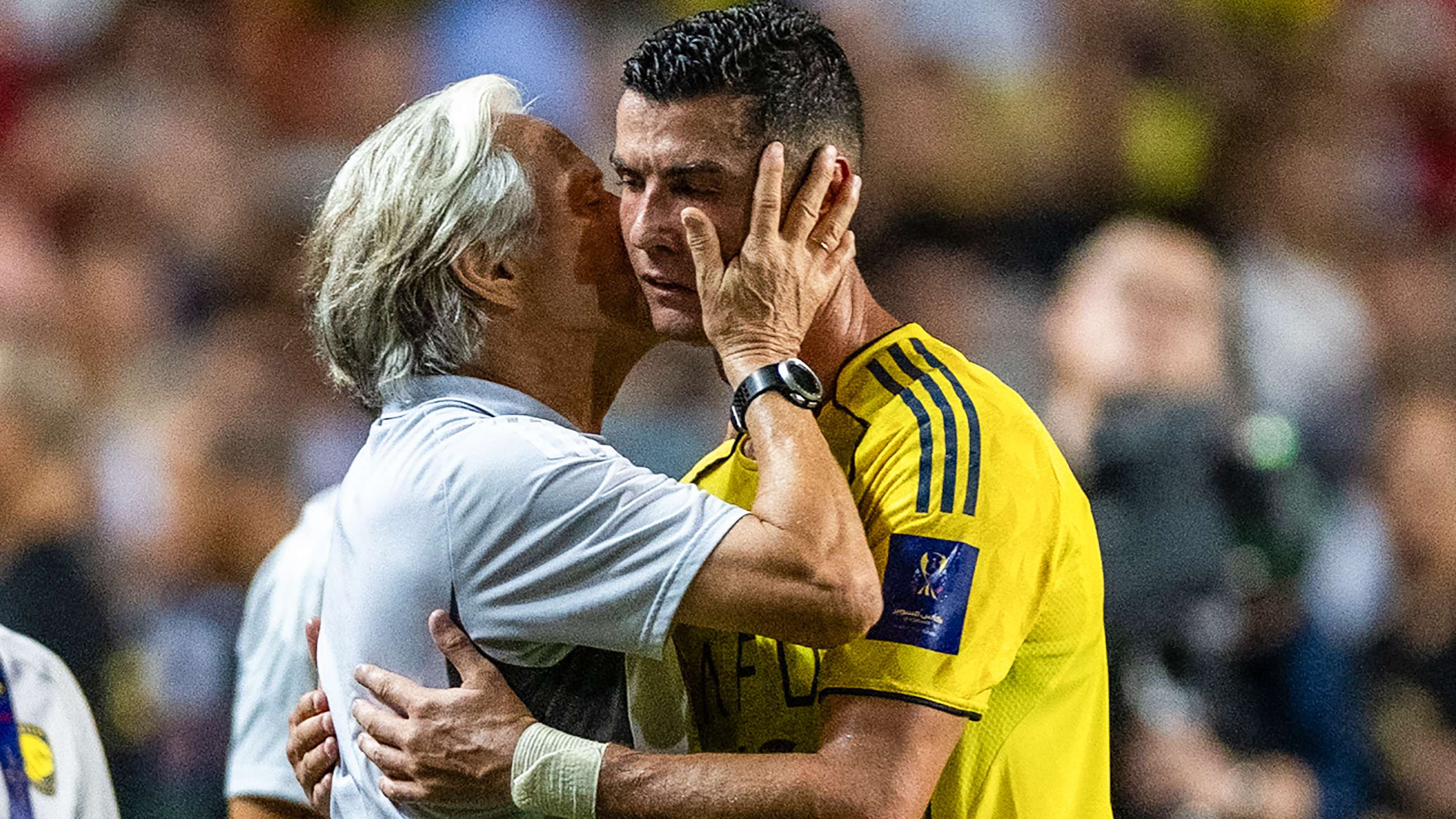
Cristiano Ronaldo’s reported decision to step away from international football has prompted more than an emotional farewell discussion in Portugal. According to a report by Portuguese newspaper Record, the national team captain informed Portuguese Football Federation president Pedro Proença about his decision but did not contact coach Jorge Jesus directly.
If accurate, the reported omission adds a striking personal dimension to a major moment in Portuguese football. Ronaldo has spent much of his career at the heart of the national team, making communication between its leading player and head coach an obvious focus. The account suggests that relations between the two men may have become strained, although neither the report alone nor the alleged lack of contact establishes the full story behind their relationship.
What the Portuguese Press Reported
Record claims Ronaldo communicated his decision to Proença, the federation’s president, without telling Jesus that he would not return to represent Portugal. The report does not provide a detailed explanation of why Ronaldo allegedly chose that route, or whether the coach learned of the decision through the federation or another source.
That distinction matters. A retirement announcement is not only a personal choice; it can also affect squad planning, leadership responsibilities and preparations for future fixtures. In a national team, where training camps are short and competitive schedules leave little room for uncertainty, clarity about a senior player’s availability is especially important.
For now, the reported communication gap should be treated as an allegation rather than a confirmed account of every conversation between the parties. Still, it has intensified interest in the relationship between Ronaldo and Jesus, particularly as Portugal looks ahead to its next international commitments.
A Major Decision for Portugal’s Football Future
Ronaldo’s international career has been closely tied to Portugal’s modern football identity. His goals, longevity and high-profile presence have made him one of the country’s most recognizable sporting figures. Any decision to leave the national side would therefore carry consequences beyond the team sheet, touching on how Portugal transitions to its next generation of leaders.
Replacing a player of Ronaldo’s stature is not simply a matter of selecting another forward. Portugal would need to redistribute his responsibilities, including the attention he attracts from opposition defenders, his influence in the dressing room and the expectations that accompany his presence. Younger attackers may gain more minutes, but they would also face greater scrutiny as supporters and media look for signs of a new era.
The team’s challenge would be to preserve its competitive standards while adapting its style and leadership structure. A squad with considerable attacking talent can still need time to find a new balance, especially when a long-serving captain is no longer part of the group. The coach’s role in managing that transition would be central, making the reported distance between Ronaldo and Jesus all the more noteworthy.
Why the Coach-Player Relationship Matters
International football places unusual demands on coaches and players. Unlike club sides, national teams have limited time together, and decisions about selection, tactics and leadership can quickly become public talking points. A strong working relationship can help a squad handle those pressures, while uncertainty between key figures may create distractions at a sensitive moment.
That does not necessarily mean that a disagreement has determined Ronaldo’s reported decision. Players retire from international duty for many reasons, including age, fitness, family priorities and a desire to focus on club football. The reported failure to contact Jesus, if correct, may indicate tension, but it does not explain its cause or prove that the coach was the deciding factor.
For supporters, the unanswered questions are likely to be as important as the headline itself. Was the decision final, and when was it made? Did Ronaldo and Jesus discuss his role before the report surfaced? How will the federation handle the transition if the captain does not return? Until the people involved provide further details, those points remain open.
Portugal’s Next Matches and the Road Ahead
Portugal’s upcoming Nations League schedule will give the squad an immediate opportunity to demonstrate how it can operate amid uncertainty. The fixture listing includes a meeting with Denmark on November 15, 2026, in UEFA Nations League A. Whether Ronaldo is involved will be a major storyline if his reported retirement remains in force, but the team’s performance will ultimately depend on the collective response of the squad.
For fans considering a football prediction for Portugal’s next matches, Ronaldo’s status is an important variable—not a guarantee of a particular result. His absence could change the team’s attacking options and leadership, while also creating opportunities for other forwards to take on larger roles. Form, opponent strength, tactical choices and squad availability will all matter when assessing Portugal’s prospects.
Portugal may also need to adjust how it creates chances and manages pressure in decisive moments. Ronaldo’s experience has often shaped opponents’ defensive plans, so a different forward line could encourage a more fluid approach. That possibility offers a fresh tactical angle, but it also brings uncertainty: new combinations need time to develop, and international tournaments rarely provide much room for experimentation.
A Farewell Story Still Waiting for Clarity
The report from Record has turned a possible international retirement into a story about communication, leadership and the changing balance within Portugal’s national team. If Ronaldo did inform Proença but not Jesus, the choice would underline how complicated the transition could be. Yet the most responsible reading is to separate what has been reported from what has been officially confirmed.
Ronaldo’s legacy with Portugal is secure regardless of how his international career concludes. The immediate question is whether the reported decision marks a definitive goodbye or whether further conversations will change the picture. Until Ronaldo, Jesus or the federation clarifies the situation, Portuguese football is left balancing the significance of a potential farewell with the practical task of preparing for the matches ahead.