
Serie A Refereeing Under Scrutiny After 11 Matchdays
With 11 matchdays completed, the 2026/2027 Serie A season has reached its latest international break, offering clubs and supporters a pause to assess the campaign so far. Alongside the usual debates about title contenders, European qualification and relegation, one issue is attracting growing attention: refereeing.
Early-season discussions have focused on how officials are applying the rules, the amount of time the ball is in play and the role of video technology. A change in leadership at the Italian referees’ commission has also brought a different philosophy to the use of VAR. Yet, despite those adjustments, disputed calls remain a prominent part of the football conversation.
A Different Approach to VAR
The current refereeing framework was expected, in theory, to help increase effective playing time. Rule changes and updated guidance were intended to reduce unnecessary interruptions and keep matches moving. But the practical effect depends not only on the laws themselves; it also relies on how consistently referees interpret them across different games and situations.
Another notable change is the approach taken by Daniele Orsato, the new head of the National Referees Commission, or CAN. His philosophy differs from that of his predecessor, Gianluca Rocchi, particularly when it comes to video review. Orsato has reportedly favoured fewer VAR interventions, placing greater responsibility on the referee on the pitch to make the initial decision—and, in many cases, to let that decision stand.
That approach reflects a wider debate in modern football. VAR can help correct clear and significant errors, but frequent reviews may disrupt the rhythm of a match and leave players and supporters waiting for decisions. Limiting interventions can preserve the flow of play, provided the threshold for review is clear and applied consistently. If it is not, fewer checks may also leave more controversial decisions unresolved.
Why the Balance Matters
Supporters generally want two things from officiating: accurate decisions and a game that is not repeatedly stopped. Those goals can sometimes pull in opposite directions. A long VAR review may delay a restart, while a quick decision made without sufficient scrutiny can have consequences for a match’s result.
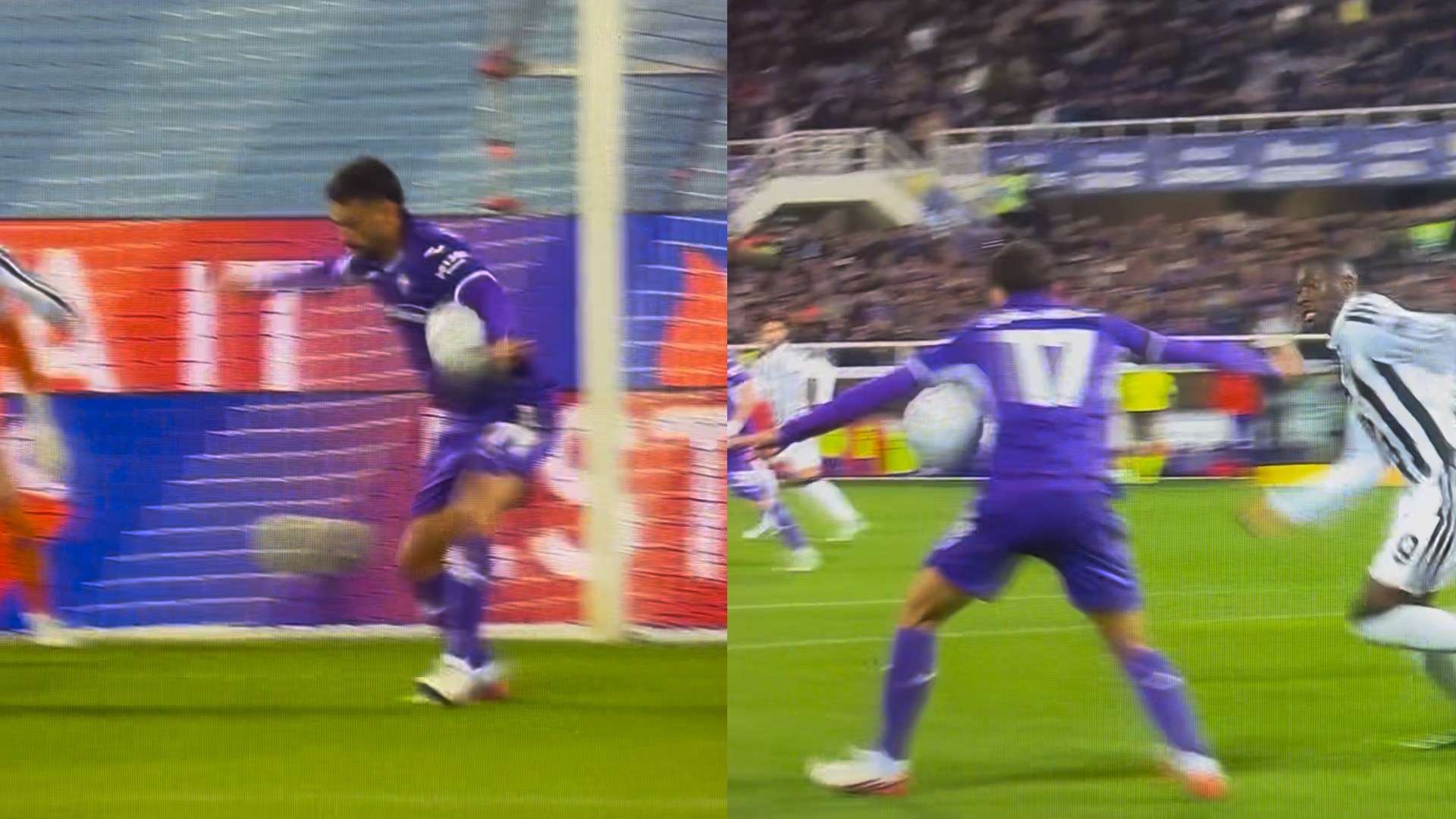
The challenge for officials is to distinguish between an ordinary on-field judgement and a clear error that warrants intervention. Penalty incidents, possible handballs, offside calls and red-card decisions are among the moments most likely to trigger scrutiny. In each case, consistent standards matter as much as the final verdict, because clubs and fans compare similar incidents across different fixtures.
Report Lists 21 Uncorrected Errors
According to Panorama, 21 refereeing errors had gone uncorrected across the first 11 rounds of Serie A. The reported total has intensified questions about the effectiveness of the current system and whether a restrained VAR policy is achieving its intended balance between match flow and accuracy.
The figure should be viewed with an important qualification. Italy no longer has an official public communication channel like last season’s Open VAR, which provided explanations and analysis of selected decisions. Without a comparable platform, supporters have less access to the reasoning behind contentious calls and fewer opportunities to understand how officials interpret particular incidents.
That absence also makes it harder to treat any tally of errors as definitive. A list compiled through media analysis may be revised as new information emerges, and different observers may disagree about whether a decision was clearly wrong, merely debatable or correctly left to the referee’s judgement. The reported 21 errors could therefore be expanded or refined as the season develops.
Transparency and Consistency in Italian Football
Public explanations do not eliminate mistakes, but they can help build confidence in the process. When refereeing authorities clarify why VAR did—or did not—intervene, they give fans a better understanding of the standards being applied. That context is especially valuable when two incidents appear similar but receive different outcomes.
Open communication can also support referees themselves. Clear guidance helps officials understand how decisions are being assessed, while clubs can respond to the reasoning rather than relying solely on speculation. In a league where a single penalty, disallowed goal or sending-off can alter a team’s season, transparency is an important part of maintaining trust.
For Serie A, the issue is not simply whether VAR should be used more or less often. The more pressing question is whether the intervention threshold is understood and applied consistently from one match to another. A system that reviews every close call could make games cumbersome; a system that intervenes too rarely risks allowing avoidable errors to stand.
What the International Break Means for the Debate
The international pause gives clubs time to reset, while analysts and supporters can review the opening stretch of the campaign. The return to domestic football will provide another test of the officiating approach, particularly in high-pressure fixtures where decisions may have immediate consequences for the table.
For fans following Serie A football, the refereeing debate is likely to remain part of every weekend’s discussion. It can influence match analysis, team momentum and even pre-game prediction, especially when clubs have recently been affected by controversial calls. However, predictions should be based on broader factors—such as form, injuries, tactics and home advantage—rather than assuming that officiating trends will determine the outcome of future matches.
As the 2026/2027 season resumes, attention will be on whether the league can preserve the flow of play while reducing the number of serious mistakes. Orsato’s approach has made the on-field referee more central, but the reported tally of uncorrected errors shows why supporters continue to demand clarity. Consistent decisions, credible explanations and a transparent review process could be crucial to restoring confidence as the Serie A campaign moves into its next phase.