
Football Star Oliver Baumann Criticizes Commercialization at World Cup
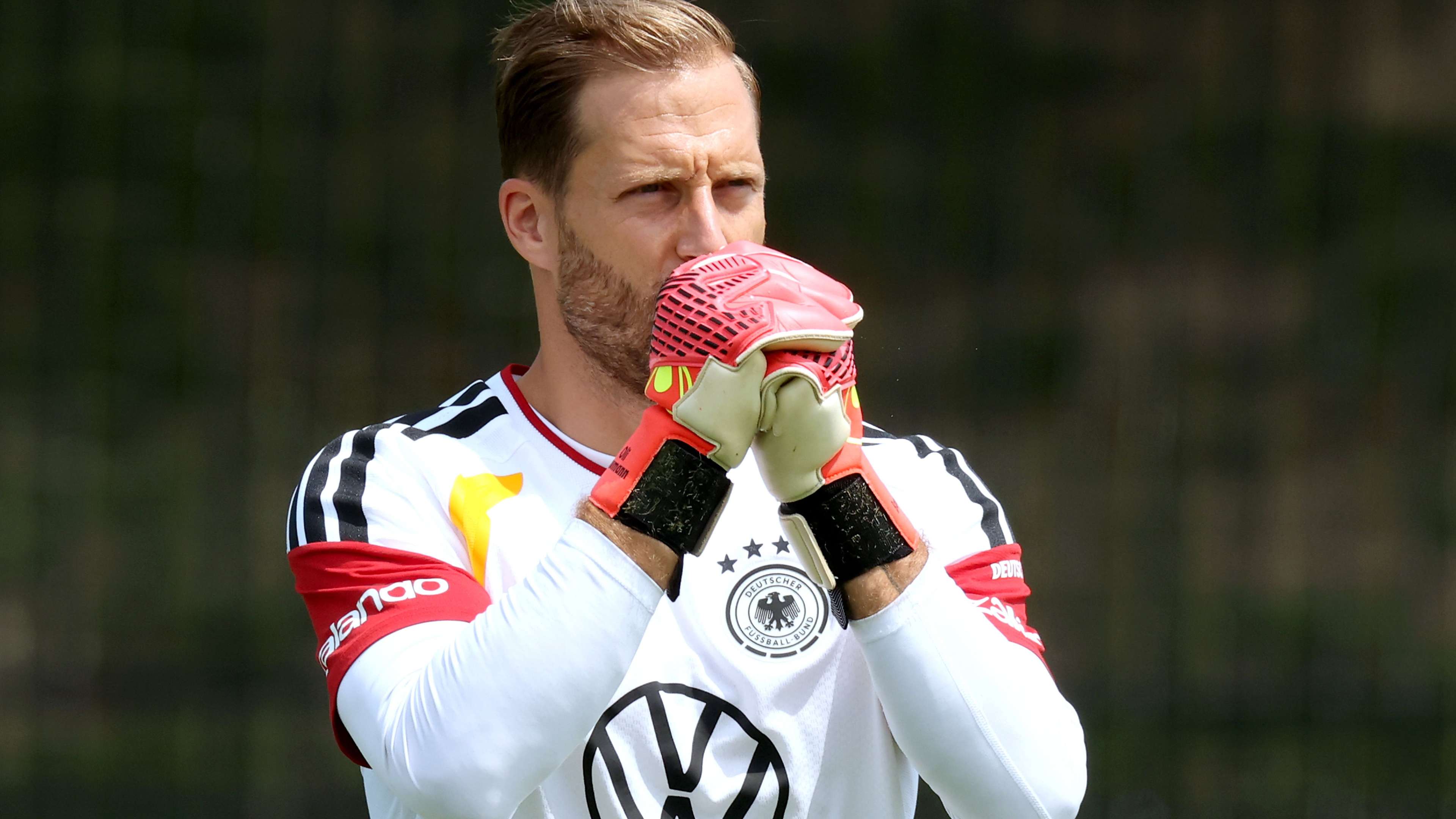
Oliver Baumann, the 36-year-old goalkeeper, recently voiced his concerns about the growing commercialization of football at the World Cup in North America. Speaking at a media round at TSG Hoffenheim’s training camp in Seefeld, Baumann expressed his desire for football to remain true to its roots and focus on the sport itself.
“Let football just be football, so that it is about the sport,” Baumann emphasized. “Sport and football are so beautiful, they live from the emotions and from the game itself. That must not be allowed to fade away. Not that all of us who love the sport eventually stop enjoying it because it is being changed so much.”
Criticism of World Cup Badges
One of the issues Baumann highlighted was the handling of the newly introduced World Cup badges. He shared his disappointment about how players’ shirts were adorned with badges that represented their World Cup history. Baumann recalled how players with more experience had badges that said ‘Legacy’, while his badge indicated that he was a ‘debutant’ or something similar. He expressed frustration that these badges, which were lightly ironed on, were being removed and potentially sold for profit.
These badges are reportedly part of a FIFA sponsorship deal with merchandise manufacturer Fanatics. The removed badges are expected to be brought to market in a form that is still unknown.
Criticism of Hydration Breaks and Stadium Conditions
Baumann also criticized the implementation of hydration breaks during matches, regardless of the actual climate conditions. He cited an example in Houston where the stadium was air-conditioned to 22 degrees, yet a break was still taken. Baumann pointed out that these breaks were often used by TV broadcasters to show extra advertising blocks.
Additionally, Baumann expressed dissatisfaction with the playing conditions at the final stadium in East Rutherford near New York, where Germany played their third group match against Ecuador. He described the pitch as “bone dry” and questioned whether such conditions were suitable for a final stadium.
Baumann’s World Cup Experience
During the World Cup, Baumann served as Germany’s reserve goalkeeper behind Manuel Neuer. Despite assurances from Germany coach Julian Nagelsmann, Baumann was ultimately demoted to number two before the squad nomination, leading to his disappointment. However, Baumann maintained that he still had a good relationship with Nagelsmann.
Germany’s journey in the World Cup came to an end in the round of 32 against Paraguay, leading to Nagelsmann’s resignation under pressure from the DFB leadership. Jürgen Klopp has since taken over the senior national team as head coach.
As football continues to evolve, players like Baumann are voicing their concerns about the commercialization of the sport and the impact it has on the essence of football itself. The debate surrounding these issues is likely to continue as the sport navigates the balance between tradition and commercial interests.
Impact of Commercialization on Football
The issue of commercialization in football is not limited to the World Cup alone but extends to various aspects of the sport globally. With the rise of lucrative sponsorship deals, endorsement contracts, and television rights, football has become a highly commercialized industry. This transformation has led to concerns about the prioritization of profits over the purity of the game.
Players like Baumann are not alone in their criticism of the commercial aspects of football. Many fans and pundits have expressed similar sentiments, lamenting the influence of money in shaping the sport. The pressure to generate revenue has sometimes resulted in decisions that compromise the integrity of football, leading to debates about the ethical implications of commercialization.
The Role of Fans in Shaping Football
Amidst the growing commercialization of football, the role of fans in shaping the sport cannot be overlooked. Fans are the lifeblood of football, providing unwavering support and passion for their teams. As stakeholders in the game, fans have the power to influence the direction that football takes, including advocating for a return to its roots and prioritizing the sport itself over commercial interests.
Supporters’ groups, fan organizations, and grassroots movements play a crucial role in holding football authorities and clubs accountable for their actions. By voicing their concerns and demanding transparency, fans can contribute to maintaining the authenticity of football and preserving its traditions in the face of commercial pressures.
Balancing Tradition and Innovation in Football
As football continues to evolve, striking a balance between tradition and innovation is essential for the sustainable growth of the sport. While embracing technological advancements, modern marketing strategies, and commercial opportunities can bring benefits to football, it is crucial to ensure that these developments do not erode the core values that make the game so beloved by millions around the world.
By fostering a culture of respect for football’s heritage, promoting fair play, and prioritizing the well-being of players and fans, football can navigate the challenges of commercialization while staying true to its essence. Finding creative solutions that integrate tradition with progress can help football thrive in a rapidly changing landscape, ensuring that the sport remains a source of joy and inspiration for generations to come.
Conclusion
In conclusion, the concerns raised by Oliver Baumann regarding the commercialization of football at the World Cup shed light on broader issues facing the sport today. As football grapples with the impact of commercial interests, it is crucial for stakeholders to engage in meaningful discussions about how to preserve the essence of the game while embracing innovation and progress.
By listening to the voices of players, fans, and other stakeholders, football can navigate the complexities of commercialization and ensure that the sport maintains its integrity and passion. Ultimately, finding a harmonious balance between tradition and commercial interests is essential for the future sustainability and success of football on the global stage.