
Tension Rises as Portuguese Player Reacts to Substitution in Lazio v Milan Match
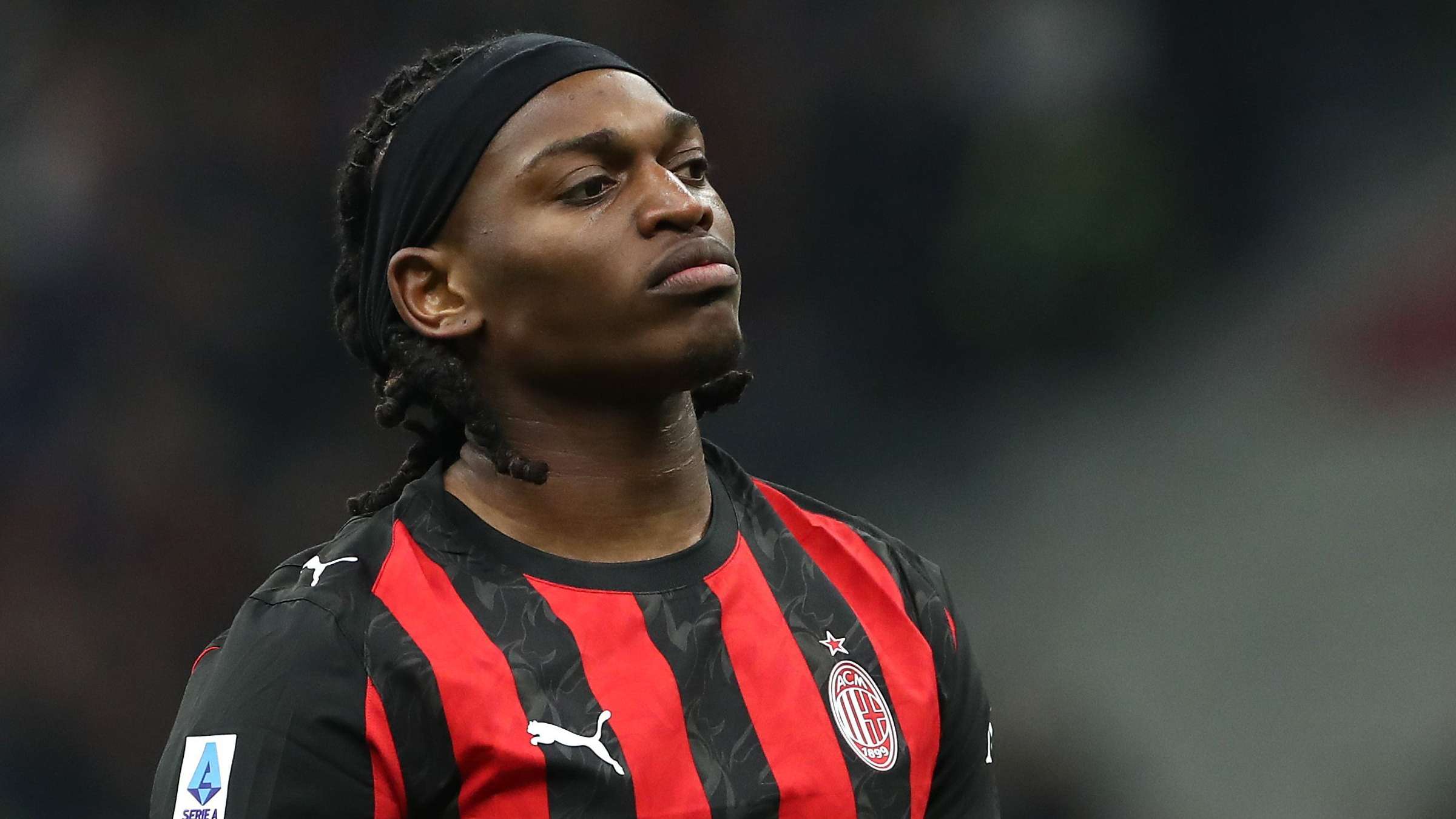
In a highly anticipated match between Lazio and Milan, tension escalated when Portuguese player Rafael Leao was substituted in the 67th minute. With the home side leading 1-0, Max Allegri’s Rossoneri made a double substitution, replacing Leao and Fofana with Fullkrug and Nkunku.
Leao’s reaction to being substituted was quite evident and sparked controversy among fans and viewers. Initially, he engaged in a heated discussion with teammate Maignan, who attempted to calm him down. Despite the effort, Leao shook his head in frustration, clearly displeased with the decision.
As he made his way off the pitch, Allegri attempted to embrace Leao, but the Portuguese player resisted and pulled away. DAZN’s pitchside reporters captured the moment when Leao addressed Allegri, pleading, “Mister, leave me on, there are 20 minutes left.”
Implications of Leao’s Reaction
The incident involving Leao’s reaction to being substituted has sparked discussions among football enthusiasts and analysts. Some have criticized his lack of sportsmanship and professionalism, noting that such behavior can have a negative impact on team dynamics and performance.
On the other hand, others have empathized with Leao’s frustration, highlighting the intense pressure and emotions that players experience during crucial matches. The incident serves as a reminder of the mental and emotional challenges that athletes face in competitive sports.
Lessons for Players and Coaches
Leao’s reaction serves as a valuable lesson for both players and coaches in handling challenging situations on the field. Communication, respect, and emotional regulation are essential skills that can contribute to a positive team environment and overall performance.
For players, maintaining composure and accepting coaching decisions with grace and professionalism are crucial aspects of sportsmanship. Learning to channel frustration into motivation and focus can help players overcome obstacles and contribute effectively to the team.
As for coaches, understanding the individual personalities and emotions of players is vital in managing substitutions and game strategies. Building trust and rapport with players can enhance communication and foster a supportive team culture.
Impact on Team Dynamics
The incident involving Leao’s reaction to being substituted could potentially impact team dynamics within Milan. Resolving any underlying tensions and addressing the situation promptly can prevent further conflicts and maintain unity among players.
Team meetings, individual discussions, and team-building activities can help strengthen relationships and promote a cohesive team environment. Building resilience and adaptability among players can also prepare them to face challenges and setbacks in a positive manner.
In conclusion, the incident involving Rafael Leao’s reaction to being substituted during the Lazio v Milan match highlights the complexities and emotions involved in professional football. By learning from this experience, players and coaches can strive to improve communication, sportsmanship, and team dynamics for future success on the field.
Player Emotions in High-Stake Matches
Professional football matches, especially those between top teams like Lazio and Milan, can be emotionally charged events. Players are under immense pressure to perform at their best, and the stakes are high. In such situations, it is not uncommon for players to react passionately to decisions made by coaches, such as substitutions.
Rafael Leao’s reaction during the Lazio v Milan match is a prime example of how players can be deeply affected by such circumstances. His frustration at being substituted may have stemmed from a desire to contribute to the team’s success or prove his worth on the field. Understanding the underlying emotions behind a player’s reaction is crucial in addressing and resolving any conflicts that may arise.
The Psychology of Substitutions
Substitutions are a common tactical move in football, used by coaches to freshen up the team, change the game’s dynamics, or protect players from injury or fatigue. However, how players react to being substituted can vary greatly. Some players may understand and accept the decision, while others, like Leao, may struggle to control their emotions.
Coaches must consider the psychological impact of substitutions on players and communicate their decisions effectively. Building trust and open lines of communication with players can help mitigate negative reactions and foster a positive team environment. Additionally, providing players with feedback and support can help them navigate the challenges of being substituted during a match.
Building Resilience in Players
In the fast-paced and competitive world of professional football, resilience is a key trait that players must cultivate. Handling setbacks, disappointments, and unexpected changes is part of the game, and players must learn to adapt and bounce back from challenging situations.
By equipping players with the tools to manage their emotions, communicate effectively, and maintain a positive attitude, coaches can help build resilience in their team. Emphasizing the importance of teamwork, sportsmanship, and mental strength can empower players to face adversity with grace and determination.
Looking Ahead
As the football world reflects on the incident involving Rafael Leao’s reaction to being substituted in the Lazio v Milan match, there is an opportunity for growth and learning. By acknowledging the complexities of player emotions, the psychology of substitutions, and the importance of resilience, teams can strive to create a supportive and successful environment for all players.
Ultimately, the lessons learned from this incident can serve as a catalyst for positive change in how players and coaches approach challenging situations on the field. By fostering a culture of understanding, communication, and teamwork, teams can work together towards achieving their goals and overcoming obstacles with unity and strength.
By delving deeper into the psychological aspects of player reactions, the impact of substitutions, and the importance of resilience in professional football, teams can evolve and improve their performance both on and off the field. The incident involving Rafael Leao serves as a reminder of the human element in sports and the need for empathy, communication, and growth in the world of football.