
Spanish Referees to Explain Decisions on Television After LaLiga Matches
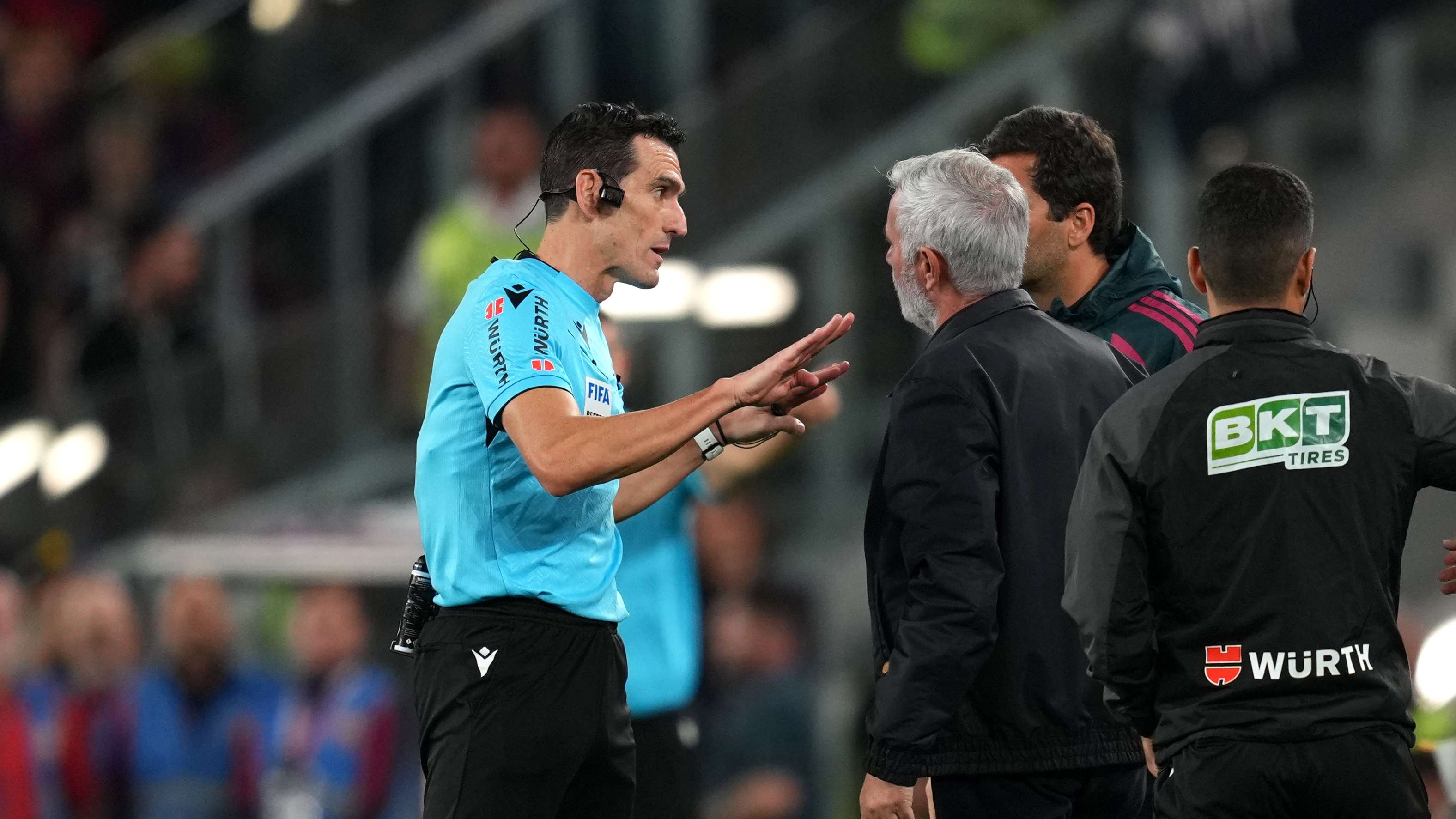
Spanish football is preparing for a significant change in how refereeing decisions are discussed with the public. From the 11th round of LaLiga, referees will begin appearing on television after selected matches to explain and analyse key calls—an unprecedented step for a system that has traditionally kept officials away from post-match interviews.
The initiative is intended to make refereeing more transparent and help supporters better understand how decisions are reached. Rather than relying solely on club statements, pundit debate, or slow-motion replays, viewers will have the opportunity to hear directly from the officials responsible for applying the laws of the game.
A Gradual Introduction Across Spanish Football
According to Cadena SER, the new policy will be introduced gradually. Referees will speak after two matches in each round, with the fixtures selected by the Technical Committee of Referees. The arrangement will initially focus on carefully chosen games, allowing the authorities to assess how the interviews work before expanding the format.
The move follows an agreement between LaLiga, the Royal Spanish Football Federation and the Spanish referees’ union, AESAF. Bringing the three organisations together was essential: the league controls much of the broadcast environment, the federation oversees refereeing, and the union represents officials. Their shared aim is to make referees more accessible without undermining their authority or exposing them to unnecessary pressure.
The initiative will not be limited to Spain’s top division. Referees in the second tier are also expected to take part, giving the project a broader role in improving the audiovisual coverage of Spanish football. Officials in selected lower-division matches will commit to media appearances before and after games, extending the conversation beyond LaLiga’s biggest clubs and most widely watched fixtures.
Why the Change Matters to Fans
Refereeing controversy is a familiar part of football, particularly when a decision affects a goal, a penalty, a red card or the outcome of a major match. Supporters often leave the stadium with questions that television replays cannot fully answer. A referee’s explanation could provide useful context about positioning, interpretation of the rules and communication between the on-field official and the video assistant referee (VAR).
That does not mean every explanation will satisfy every fan. A club’s supporters may still disagree with a decision even after hearing the reasoning behind it. But direct communication could help separate a genuine misunderstanding from a difference in interpretation—and make it easier for audiences to judge decisions using the same information available to officials.
For viewers following football prediction discussions, the change may also add context to how matches are assessed. Predictions often focus on team form, injuries and tactics, but disciplinary patterns and the way key incidents are handled can influence the flow of a game. Clearer explanations may help analysts discuss those moments more accurately, although referees’ interviews will not provide a reliable shortcut for predicting future decisions.
€500,000 Set Aside for Referee Media Work
The increased visibility comes with a financial arrangement. LaLiga has reportedly allocated a total of €500,000 as an audiovisual reward for referees, reflecting the additional media contribution officials are being asked to make. The payment is linked to two broader goals: improving the marketing value of Spanish football content and strengthening public confidence in refereeing.
The arrangement resembles the media commitments expected of clubs that participate in broadcast coverage. In this case, however, the aim is not simply to produce more interviews. LaLiga and its partners want the appearances to present refereeing as an important part of the sport’s public conversation while protecting the standing of officials.
That balance will be crucial. Referees make decisions in a fast-moving environment, often with limited time and incomplete sightlines. Post-match interviews should therefore explain the process rather than turn officials into targets for criticism. The success of the initiative may depend on how consistently the format is applied and whether referees are allowed to address difficult incidents in a clear, measured way.
From Pre-Match Interviews to Post-Match Analysis
The groundwork began earlier in the current season, when referees started giving brief interviews to broadcasters before kick-off. One of the most notable examples came from Juan Martínez Munuera ahead of the latest Clásico. He acknowledged that referees generally try to avoid attention—a long-standing instinct that the new policy will now challenge.
Pre-match appearances offer an introduction to the officials and their approach, but post-match interviews carry greater significance. They allow referees to discuss decisions after the events have unfolded, including incidents that may have shaped the result. The format will need clear boundaries, especially where disciplinary procedures or confidential VAR communications are involved.
Part of a Wider Refereeing Reform Package
The television interviews form one part of a broader effort to reduce uncertainty around Spanish refereeing. The authorities have also moved to disclose the names of VAR officials in advance and introduced a weekly programme, “Review Time,” to examine contentious decisions. In addition, officials are expected to acknowledge errors publicly when they are confirmed.
Together, these steps represent a shift from limited communication toward a more open review process. Naming VAR officials can make the system easier to follow, while a regular analysis programme gives supporters a consistent place to examine disputed incidents. Publicly recognising a mistake, when appropriate, may also help demonstrate that accountability applies to refereeing as it does elsewhere in football.
Still, transparency alone cannot eliminate disagreement. Football rules sometimes require judgment, and supporters may interpret the same replay differently depending on their perspective. The test will be whether the new measures provide meaningful explanations rather than simply adding more media coverage.
What Happens Next?
The first post-match appearances are expected to begin with the 11th round, with two fixtures selected per matchweek. If the interviews prove useful to broadcasters and audiences, the model could become a regular feature of Spanish football coverage. It may also influence how other leagues approach referee communication, particularly as fans increasingly expect rapid explanations after high-profile decisions.
For LaLiga, the challenge is to make openness part of the game without compromising the independence of match officials. For referees, it means stepping into a public role that many have traditionally avoided. And for supporters, it offers a new way to hear how crucial calls are assessed. Whether the change rebuilds trust will depend on what is said after the final whistle—and on whether the explanations are consistent, candid and easy to understand.