
India’s Korea Open Campaign Ends Early as Teenagers Tanvi Sharma and Anmol Kharb Show Promise
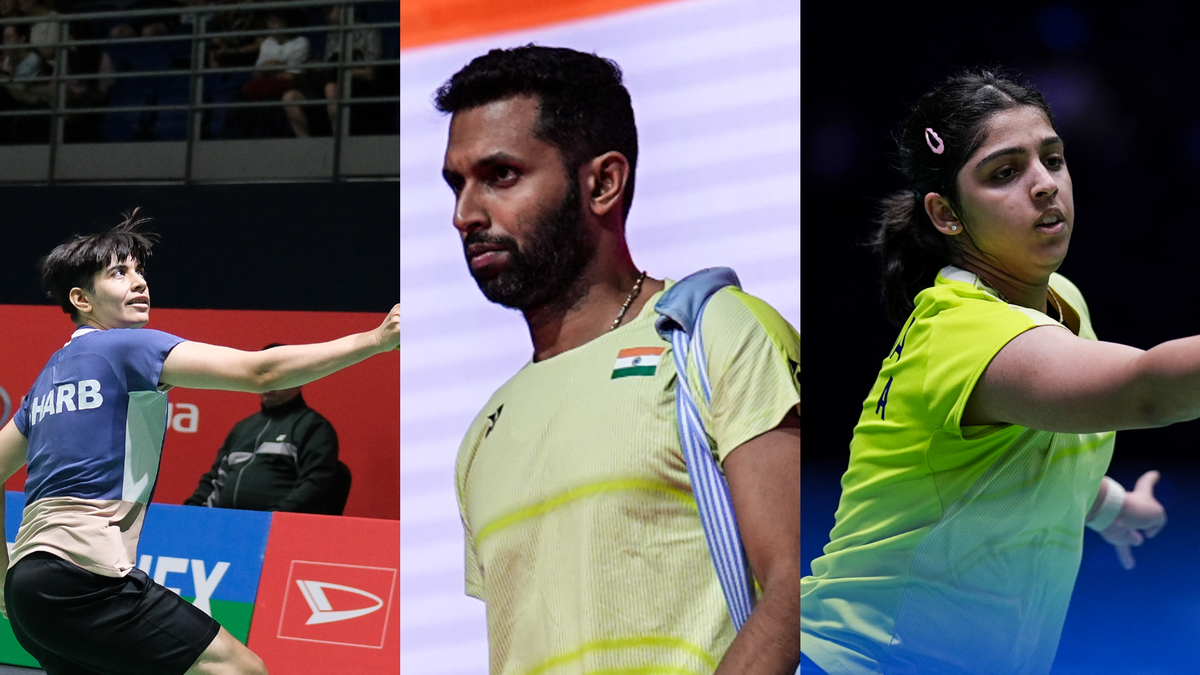
India’s challenge at the Korea Open was reshaped before the tournament began, with leading singles players P.V. Sindhu and Lakshya Sen opting to rest. Both had arrived in strong form after winning titles at the Hylo Open, while Sindhu had also reached the French Open final. Their absence gave younger players an opportunity to take on greater responsibility—but the results underlined how demanding the badminton World Tour can be.
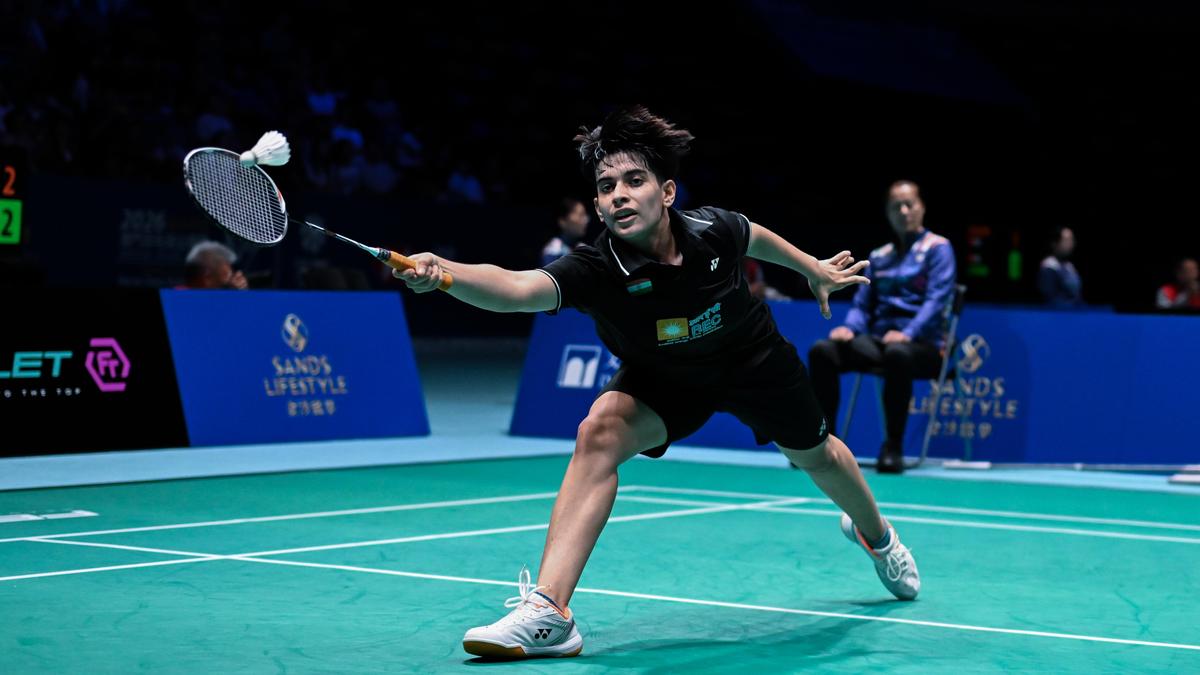
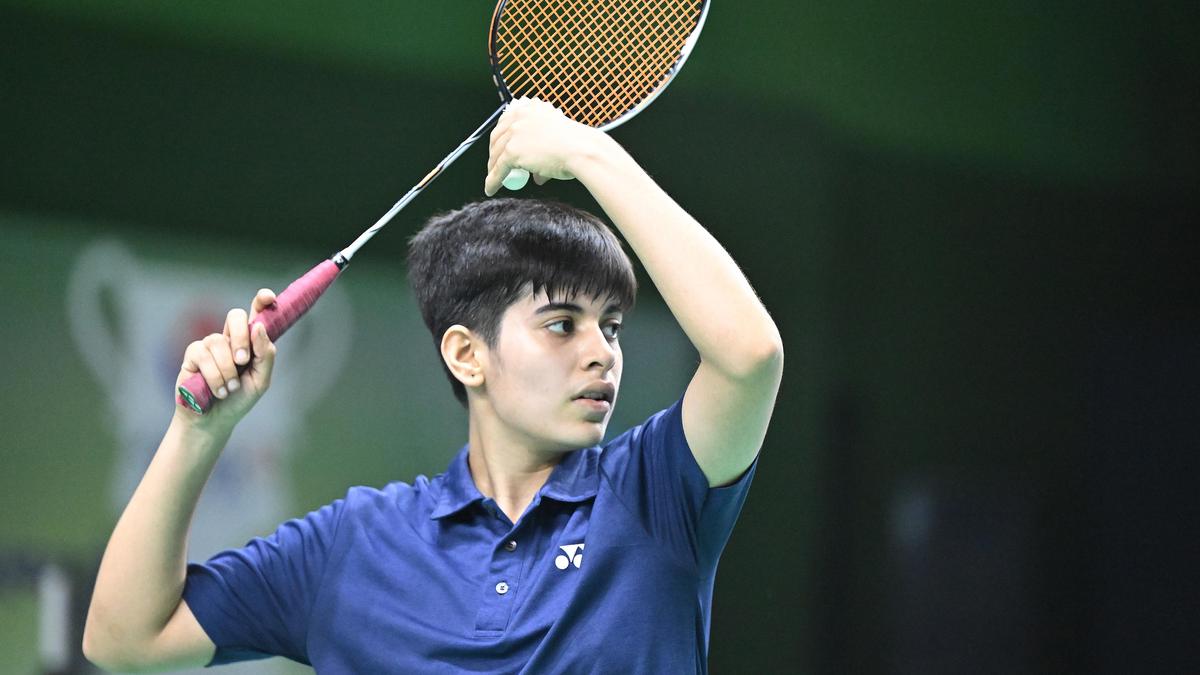
By the end of Wednesday, only two Indian players had advanced to the women’s singles Round of 16: teenagers Tanvi Sharma and Anmol Kharb. Both delivered encouraging performances before losing to experienced opponents, leaving India without a representative in the later rounds. Their exits were disappointing, but their ability to compete against established international players offered a glimpse of the depth emerging in Indian badminton.
Prannoy’s Opening-Round Exit Adds to a Difficult Season
H.S. Prannoy was India’s only entrant in men’s singles, but his campaign ended in the first round. The Indian lost 23-21, 21-15 to South Korea’s Yoo Tae-bin in a closely contested opening game followed by a more decisive second.
The defeat marked Prannoy’s third consecutive first-round exit on the World Tour this year. The narrow first-game score suggested he was capable of challenging his opponent, but Yoo held his nerve at the key points. For Prannoy, the result continues a difficult stretch in which converting competitive starts into match wins has proved a challenge.
His early departure also meant India’s men’s singles hopes rested on a single player from the outset. With Sen sitting out to recover, the tournament offered no further opportunity for an Indian contender to make a run in the draw.
Close Mixed Doubles Match, Tough Week for Qualifiers
India’s mixed doubles pair, Dhruv Rawat and K. Maneesha, came close to extending their stay in the competition. They pushed China’s Zhu Yi Jun and Li Qian to a deciding game, but lost 24-22 in a tense finish. The scoreline reflected a match in which small margins and pressure-point execution proved decisive.
The qualifying rounds also brought limited success for the Indian contingent. Arjun Reddy Pochana and Achutaditya Rao Doddavarapu were beaten 21-14, 21-5 by China’s Xie Zewei and Wang Yue Hang. Women’s doubles players Sonali Singh and Ritika Thaker, silver medallists at the Uganda International Series, gave a walkover and did not take the court.
These results highlighted the depth of competition at an international badminton event, where players often face highly ranked or well-matched opponents from the earliest stages. For emerging Indian combinations, qualifying tournaments can provide valuable experience, but they also leave little room for a slow start.
Anmol Kharb Takes on Three-Time World Champion Yamaguchi
Anmol Kharb made her way into the Round of 16 after defeating Canada’s Rachel Chan in the Round of 32. Her next opponent was a far more formidable test: Japan’s Akane Yamaguchi, the second seed and a three-time world champion.
Anmol stayed competitive deep into both games, using patient rally construction to avoid being rushed into mistakes. She varied the pace, looked for opportunities to change direction and showed confidence around the net. Those choices helped her remain within reach of Yamaguchi, rather than allowing the experienced Japanese player to control every exchange.
Yamaguchi, however, demonstrated why she remains one of the sport’s most consistent performers. She managed the crucial moments more effectively and won both games 21-18. For Anmol, the defeat was a measure of progress as much as a setback: she had earned the chance to test her skills against one of the world’s best and remained competitive throughout the match.
That experience could prove useful as she continues to develop her game. Against elite opponents, the difference is often not a lack of ability but the capacity to maintain precision when rallies become tight and every point carries added pressure.
Tanvi Sharma’s Aggression Offers Encouraging Signs
Seventeen-year-old Tanvi Sharma also reached the Round of 16, surviving a three-game contest against Japan’s Manami Suizu in the previous round. The match demanded patience and resilience, and Tanvi showed she could stay in a contest long enough to find opportunities.
Her next challenge came against Japan’s Hina Akechi. Tanvi’s sharp cross-court angles helped her move into a 17-16 lead in the opening game, but Akechi responded calmly and took it 21-18. In the second, the Japanese player turned the match into a demanding baseline exchange, eventually winning 21-12.
Tanvi’s willingness to attack and dictate the early tempo was a notable strength. She looked prepared to take the initiative rather than simply react to her opponent. The areas requiring further work were equally clear: finishing points when she had created an advantage and maintaining her level through longer rallies. At 17, those are development points rather than reasons for concern.
A Testing Week, but a Useful Sign for Indian Badminton
India’s campaign at the Korea Open did not produce a deep tournament run. Sindhu and Sen’s decision to rest was followed by early exits for Prannoy and the mixed doubles pair, while the qualifiers faced difficult matches. Yet the performances of Anmol and Tanvi gave the week a more constructive takeaway.
Both teenagers showed that India’s next generation of women’s singles players can compete with experienced international opposition. Anmol’s rally management against Yamaguchi and Tanvi’s attacking intent against Akechi offered different examples of the skills young players can build on as they progress.
For Indian badminton, the challenge now is to turn promising stretches into sustained results. That requires match experience, physical development and the ability to make decisive choices under pressure. The Korea Open ended earlier than India would have hoped, but the teenagers’ performances suggested that the country’s future in women’s singles is already taking shape on the international court.