
Anmol Kharb Exits Korea Open 2026 After Straight-Games Loss to Akane Yamaguchi
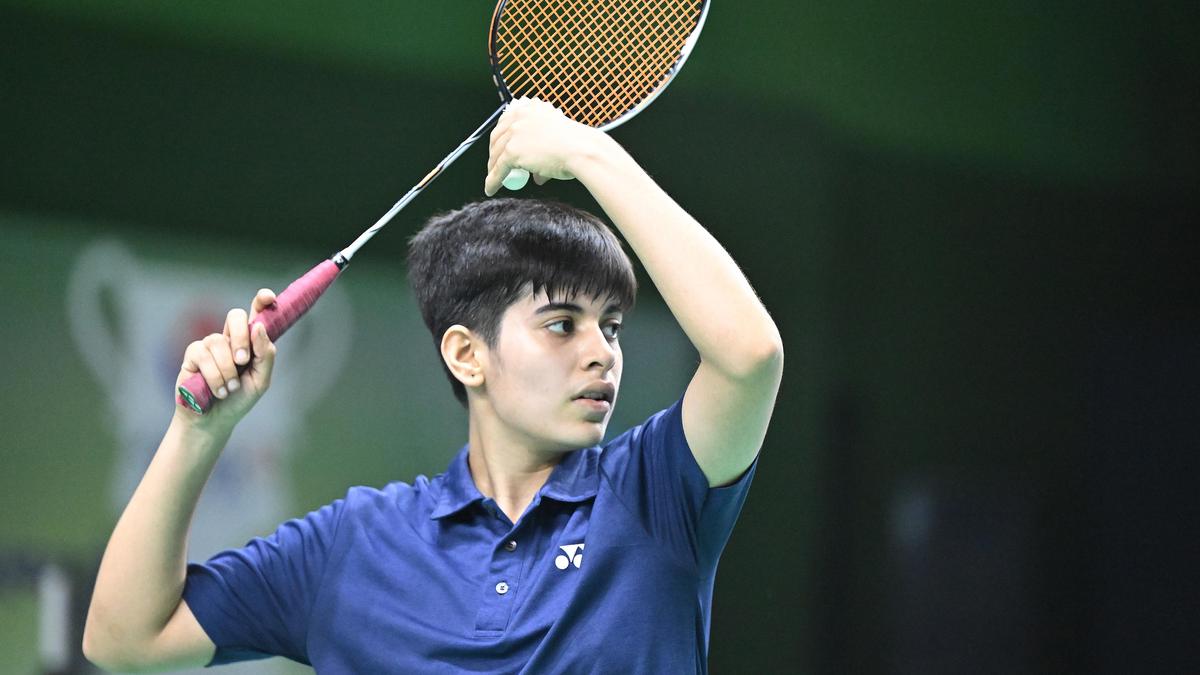
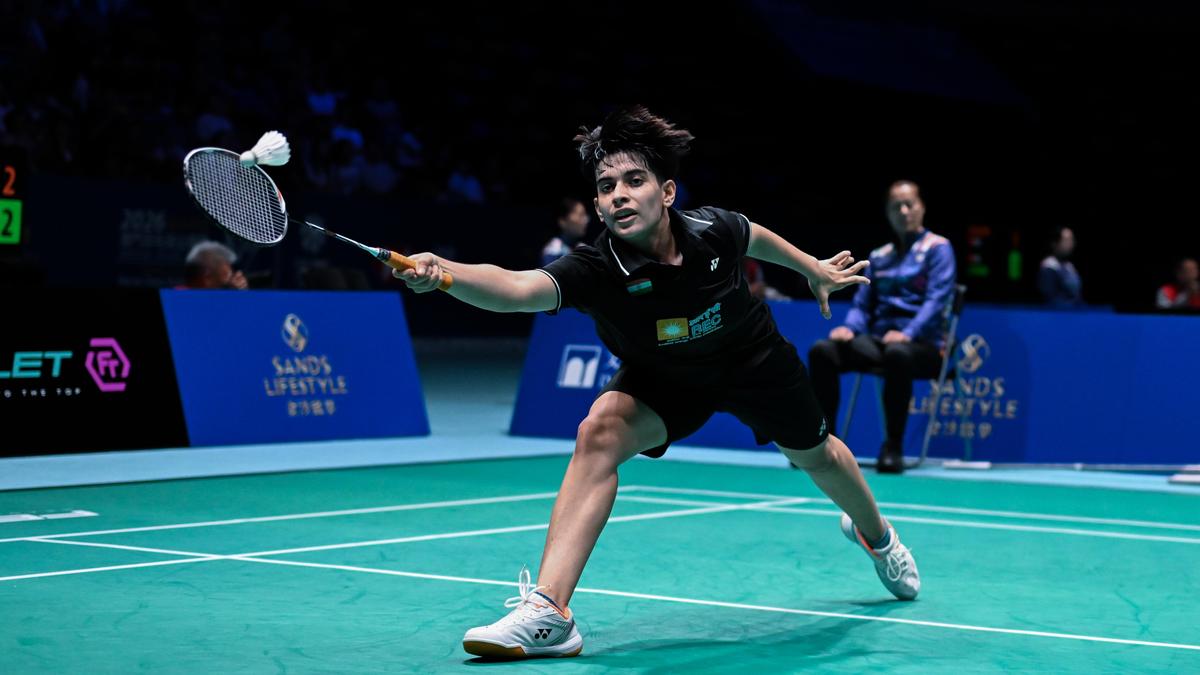
India’s campaign at the Korea Open 2026 came to a close on Thursday after rising badminton player Anmol Kharb was defeated by Japan’s Akane Yamaguchi in the women’s singles Round of 16. Kharb pushed the former world champion in both games but could not convert key opportunities, going down 18-21, 18-21.
The result ended Kharb’s run at the tournament and, following Tanvi Sharma’s earlier defeat, left India without a singles representative in the remaining rounds. For the 19-year-old Kharb, however, the match offered valuable experience against one of the most accomplished and consistent players on the international badminton circuit.
Yamaguchi takes control after a competitive opening
Kharb had to work her way back into the opening game after Yamaguchi established an early advantage. The Japanese shuttler’s pace and court coverage made it difficult for the Indian to settle into a rhythm, but Kharb stayed composed and gradually narrowed the gap. She drew level at 8-8, briefly putting pressure on her opponent and suggesting the opening game could develop into a close contest.
Yamaguchi responded by raising the intensity. She began to control more of the rallies, moving Kharb from corner to corner and looking for openings to finish points. That change helped the Japanese player build a substantial lead, reaching 18-12. Kharb continued to compete and won several points late in the game, but the deficit proved too large to erase. Yamaguchi closed out the opener 21-18.
The scoreline reflected a game in which Kharb showed resilience but was punished when Yamaguchi gained momentum. At this level, a short run of points can quickly reshape a game, particularly against an opponent known for her speed, consistency and ability to extend rallies.
Kharb moves ahead in the second game but cannot hold the lead
The second game brought a stronger spell from Kharb. The Indian found greater confidence in her attacking play and made better use of the court, putting Yamaguchi under pressure. Kharb moved into a 16-12 lead, placing herself within reach of forcing a deciding game and giving India’s campaign a possible lifeline.
Yamaguchi, though, drew on her experience to turn the game around. Rather than rushing to finish rallies, she stayed patient, tightened her defence and waited for opportunities to shift the initiative. Kharb’s advantage began to shrink as the Japanese player collected points in succession. Once Yamaguchi regained control, she managed the closing stages effectively and secured the game 21-18, completing a straight-games victory.
For Kharb, the late swing will be a particularly important lesson. Building a four-point lead against a top-level opponent is a significant achievement, but protecting it requires careful shot selection, calm decision-making and the ability to respond when the pressure changes. The experience should provide useful reference points as she continues to develop on the international badminton tour.
Tanvi Sharma also bows out in the Round of 16
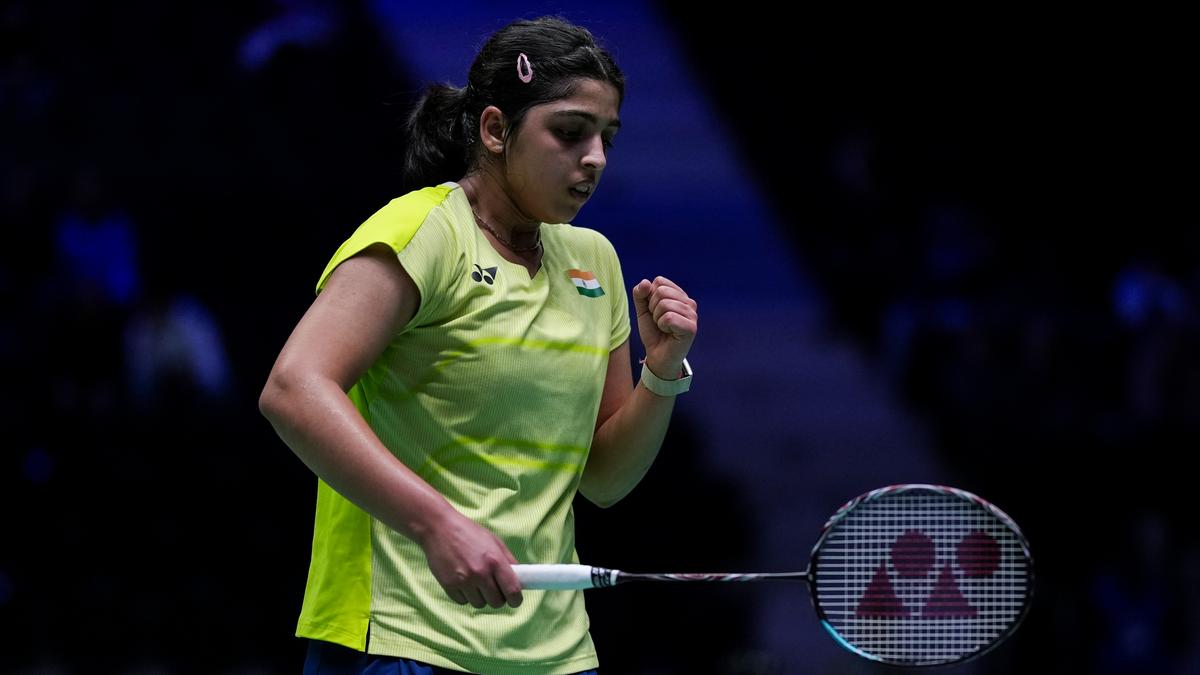
Kharb’s loss followed an earlier exit for fellow Indian Tanvi Sharma, who was beaten by Japan’s Hina Akechi, 18-21, 12-21. Sharma remained competitive in the opening game, staying close to Akechi before the Japanese player edged ahead to take it 21-18. The second game proved more difficult for the Indian, as Akechi built momentum and closed out the match 21-12.
With both Indian players eliminated in the Round of 16, the country’s challenge at the Korea Open ended earlier than hoped. The defeats also highlighted the depth of Japan’s women’s singles field, with Yamaguchi and Akechi both advancing after disciplined performances under pressure.
What the result means for Kharb’s development
Although the outcome was disappointing, Kharb’s performance against Yamaguchi included encouraging signs. She recovered from an early deficit in the first game and, more significantly, created a strong position in the second. Those passages showed that she can challenge established opponents when she combines patience with attacking intent.
Yamaguchi’s experience ultimately proved decisive. A former world No. 1 and a major title winner, she is widely recognised for her remarkable movement, defensive ability and stamina. Players facing her often need to win points more than once: she can retrieve difficult shots, extend exchanges and turn defence into attack. Kharb’s ability to stay close in both games, and to lead in the second, offers a useful measure of her potential as she gains more exposure to elite competition.
The match also underlined how fine the margins can be in top-level badminton. A lead does not guarantee control, and momentum can shift quickly when a player adjusts tactics or improves their consistency. For young competitors, learning to manage those turning points is as important as developing power, speed and technical skill.
India looks ahead after the Korea Open exit
India will now turn its attention to upcoming events on the international badminton calendar. For Kharb and Sharma, the Korea Open provides both a measure of the level required to progress and an opportunity to identify areas for improvement. Maintaining intensity late in games, converting leads and handling pressure against experienced opponents will be central priorities as they continue their campaigns.
Kharb leaves the tournament without a place in the quarter-finals, but her second-game surge against Yamaguchi offers a positive takeaway. The 19-year-old showed that she can compete with a leading Japanese shuttler and create chances to change the course of a match. Turning those promising spells into sustained control will be the next step in her progress on the badminton circuit.