
Kidambi Srikanth Survives Thriller to Reach Japan Masters 2026 Round of 16
Kidambi Srikanth produced a determined comeback to defeat Denmark’s Rasmus Gemke in a gripping three-game contest at the Japan Masters 2026. The Indian badminton star recovered from losing the opening game and saved two match points in a tense decider, eventually claiming an 18-21, 21-16, 24-22 victory in the Round of 32.
The result sends Srikanth into the last 16, where he is set to meet Japan’s Kodai Naraoka. Against Gemke, the former world No. 1 showed both the attacking instincts that have defined his game and the composure needed to navigate a match that repeatedly swung in momentum.
Srikanth’s early attack puts Gemke under pressure
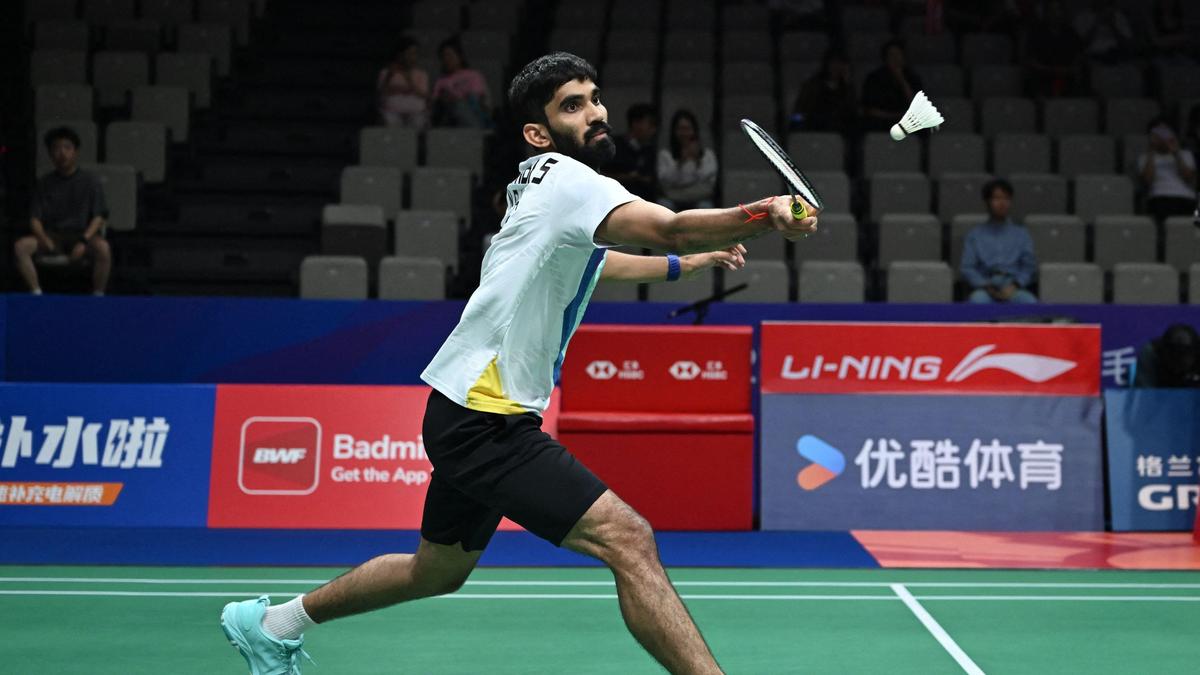
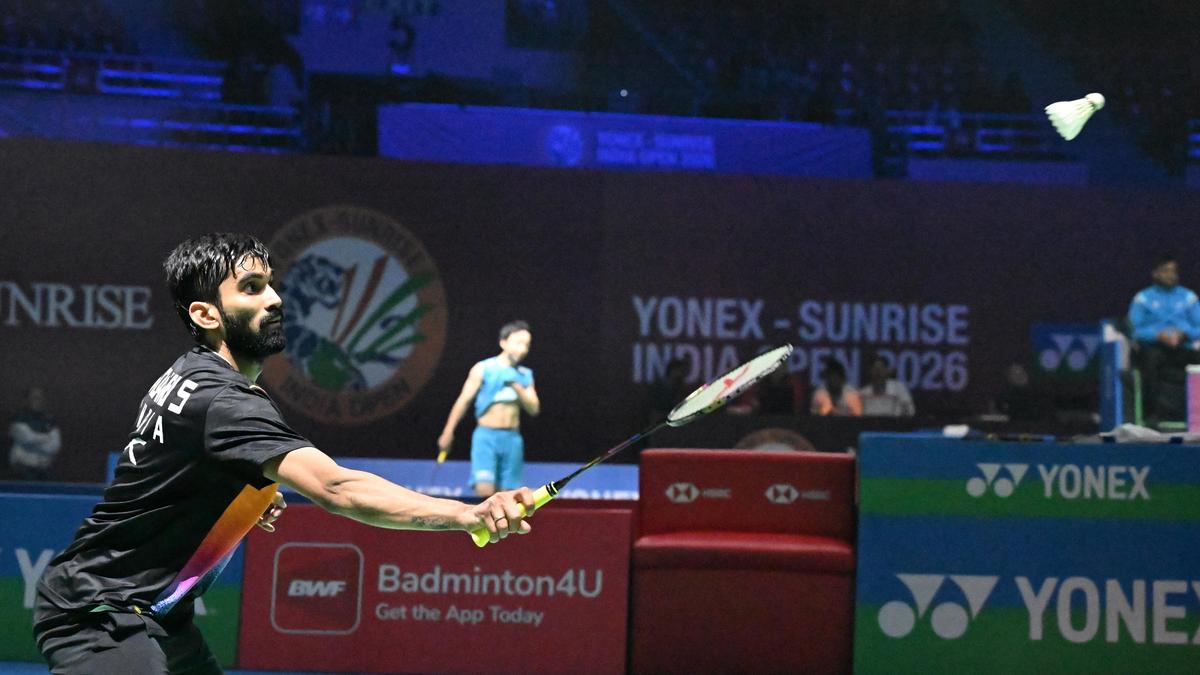
Srikanth began with an aggressive plan, looking to take the initiative through quick movement, sharp net shots and attacking clears. Gemke, by contrast, sought to lengthen the rallies and use the full court, relying on his reach and defensive discipline to draw errors from the Indian.
The approach initially worked in Srikanth’s favour. He built a five-point advantage by taking the shuttle early at the net and pushing Gemke deep into the backcourt. That combination made it difficult for the Dane to settle into his preferred rhythm and created opportunities for Srikanth to attack the open court.
Gemke gradually reduced the deficit through patient defence and steadier exchanges. Srikanth nevertheless continued to dictate much of the play, mixing his shots rather than relying on power alone. Around 14-12, he was still controlling the tempo with well-judged attacking clears and pressure at the front of the court.
The closing stages of the first game brought a shift. Gemke improved his coverage and forced Srikanth into longer baseline exchanges, where the Indian began to make unforced errors. Those mistakes allowed the Dane to take control of the finish and close out the game 21-18.
A strong start, then a second-game turnaround
Srikanth responded immediately in the second game, opening with a 4-0 lead. The fast start suggested he had reset after the first-game setback, but Gemke once again used deep clears to push him away from the net and extend the rallies. The Danish player worked his way back into the contest and moved ahead 12-9.
Rather than forcing a quick finish, Srikanth adjusted his approach. He worked to regain the front-court advantage, looked for openings in Gemke’s defence and increased the pressure when the opportunity arose. The change helped him reclaim momentum and prevent Gemke from controlling the exchanges for long stretches.
Srikanth’s improved consistency proved important as the game entered its decisive phase. He stayed patient through the longer rallies while remaining ready to attack shorter returns. That balance carried him to a 21-16 win, levelling the match and setting up a winner-takes-all third game.
Two saved match points in a dramatic decider
The deciding game was a close contest from the outset. Both players competed intensely for control of the mid-court, with neither able to establish a comfortable lead. The rallies demanded sharp movement and careful shot selection, as each player tried to force the other into a defensive position without leaving space for a counterattack.
With the match on the line, Gemke moved to within a point of victory and earned two match points. Srikanth responded under pressure, refusing to let the contest slip away. He saved both opportunities and brought the score level at 20-20, turning a potentially decisive moment into a fresh test of nerve.
The battle continued beyond 20 as both players fought to create a clear opening. At 22-22, Srikanth remained composed, found the points he needed and completed the comeback with a 24-22 win. The finish underlined the importance of staying composed in badminton’s tightest moments, where a single error or well-placed shot can decide a match.
What the win means for Srikanth
For Srikanth, the victory offers a valuable boost at the Japan Masters 2026. He had to manage different challenges across the match: Gemke’s defensive resilience, the Dane’s deep clears and the pressure of facing match points. His ability to change the pattern in the second game and recover in the decider showed the value of adaptability as well as attacking skill.
The match also highlighted a familiar tactical contest in men’s singles badminton. An aggressive player can seek to shorten rallies and create chances at the net, while a strong defender may try to extend exchanges and make the attacker take repeated risks. Srikanth’s success came from finding a workable balance—maintaining pressure without abandoning patience when Gemke pushed him into longer rallies.
Next, Srikanth will face home favourite Kodai Naraoka in the Round of 16. The Japanese shuttler is known for his ability to sustain long rallies, making court coverage and consistency likely to be central themes in the matchup. Srikanth will need to carry forward the resilience he displayed against Gemke while limiting the unforced errors that cost him the opening game.
After a three-game test that included two saved match points, Srikanth advances with momentum and a clear reminder of his fighting spirit. His comeback win keeps his Japan Masters campaign alive and sets up another demanding challenge as he looks to move deeper into the badminton tournament.