
Harry Kane on Ballon d’Or Glory: Why Bayern Munich Made the Award Feel Possible
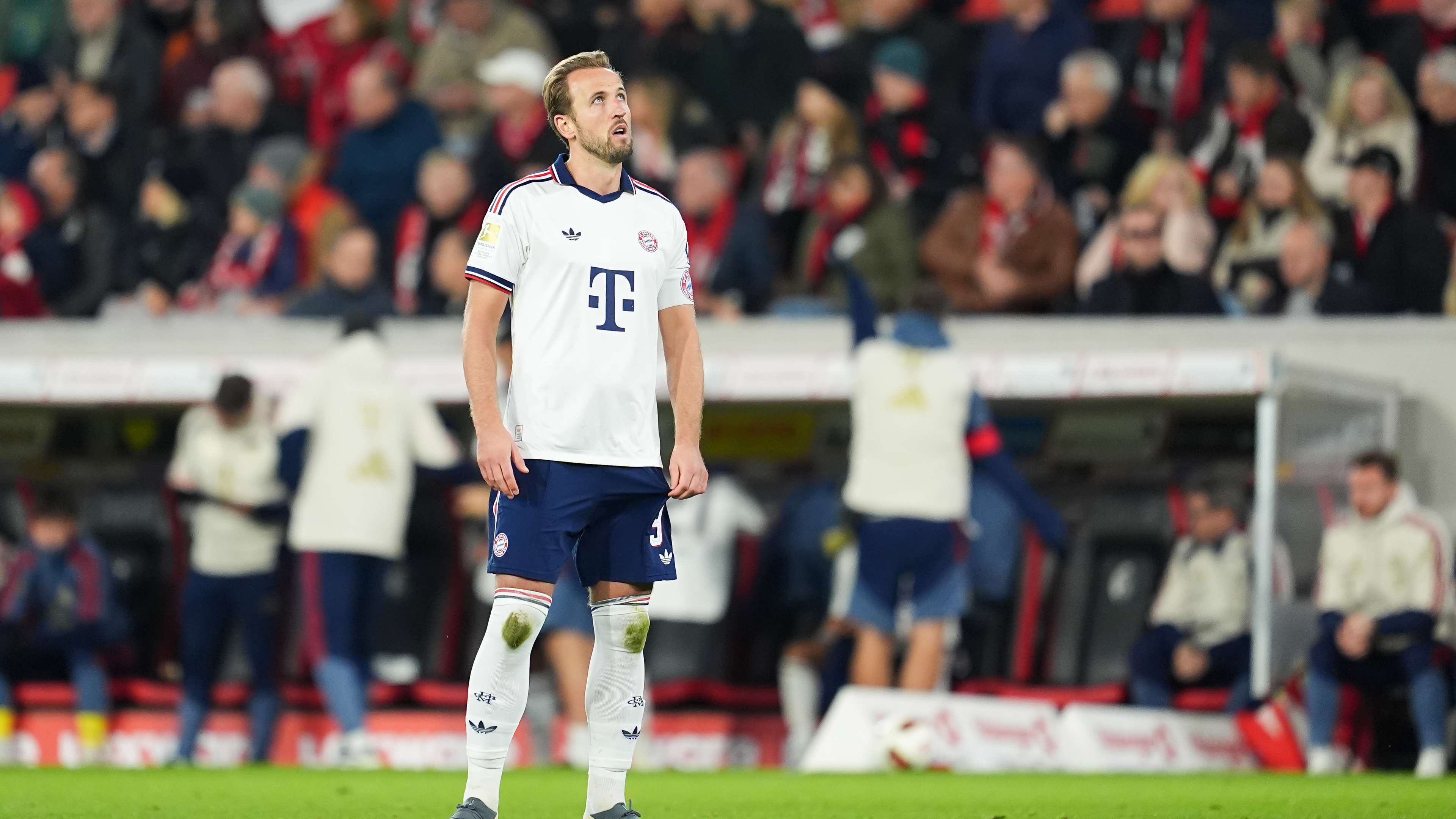
Harry Kane says he began to believe the Ballon d’Or was within reach soon after joining Bayern Munich. The England captain’s move to Germany, he explained, offered the chance to raise his game, compete for major honours and turn individual ambition into a realistic goal.
In an interview with France Football, the magazine that presents the award, Kane reflected on the season that brought him the Ballon d’Or. He discussed the goals, team achievements and consistency that strengthened his case, as well as the question that follows every winner: does he now consider himself the best football player in the world?
How Bayern Munich changed Kane’s Ballon d’Or outlook
Kane arrived at Bayern after establishing himself as one of the Premier League’s most prolific forwards with Tottenham Hotspur. The transfer represented more than a change of league. It gave him the opportunity to test himself in a new environment, pursue silverware and compete regularly on European football’s biggest stages.
“I knew that joining Bayern Munich would give me the chance to develop and take my level to a new stage,” Kane told France Football. He said his goals and progress through important competitions helped him understand that the Ballon d’Or could become attainable if he maintained his form and continued improving.
That distinction matters. Rather than describing the award as an immediate certainty, Kane portrayed it as the result of sustained performance. Scoring consistently is essential for a striker, but a Ballon d’Or campaign is also shaped by a player’s influence in major matches, the success of his club and national team, and the strength of the competition.
Goals, trophies and a season of high expectations
Kane pointed to a remarkable scoring return as one of the defining features of his campaign, describing 73 goals in a season as “quite simply exceptional.” A total of that scale naturally attracts attention, but the striker also highlighted the broader achievements that helped make the year stand out.
He cited winning three titles in Germany and reaching the latter stages of major competitions. Kane also referred to England’s run to third place at the World Cup. Although England did not win the tournament, he said reaching that stage was still a significant accomplishment.
Bayern’s near-miss in the Champions League added another layer to the season. Kane said the team came extremely close to reaching the final. For a player seeking football’s most prestigious individual honour, such a run can strengthen a case by showing that personal excellence is being delivered in high-pressure matches—not only across domestic fixtures.
These achievements help explain why Kane came to view himself as a genuine candidate. A prolific goalscorer can dominate the conversation, but the strongest Ballon d’Or cases often combine individual statistics with meaningful contributions to a team’s progress. Kane’s account reflects that balance: his scoring record mattered, yet so did the scale and competitiveness of the season around it.
Does Kane believe he is the world’s best player?
Asked whether winning the Ballon d’Or made him feel like the best player on the planet, Kane offered a measured answer: “Yes and no.” He acknowledged that being voted the winner carries enormous significance, while also stressing that the label depends on personal opinion.
“There are many wonderful players,” he said, noting that football fans, coaches and analysts may judge the game differently. Kane suggested that players in the top ten of a Ballon d’Or ranking could each be considered the world’s best at different points in a season.
That perspective is particularly relevant in an era when football debates are shaped by statistics, tactical roles and team results. A forward may be valued for goals and decisive moments, while another player’s influence may come through creativity, defensive work or control of the midfield. The award offers a clear winner, but it cannot settle every argument about who is truly the best.
Kane also indicated that he does not want to become too focused on past recognition. He said he would rather look ahead and ask whether he can achieve more in the current season. That mindset is familiar among elite athletes: celebrate a major accomplishment, then quickly reset expectations.
From individual recognition to the next challenge
For Kane, the Ballon d’Or is both a personal milestone and a measure of the progress he made after moving to Bayern Munich. His comments suggest that he views the award not as a final destination, but as evidence that the decision to seek a new challenge helped him reach another level.
He admitted that other people may currently regard him as the world’s best player, but said he does not spend much time thinking in those terms. Instead, he is focused on what comes next. That approach could be important as Bayern pursue further honours and Kane looks to maintain the scoring consistency that made his award-winning season possible.
The demands on a Ballon d’Or winner are immediate. Opponents pay closer attention, supporters expect more, and every quiet spell can prompt fresh debate. Kane’s response is to treat last season as a benchmark rather than a guarantee of future success. His challenge is to keep producing goals while helping Bayern compete across domestic and European football.
For fans following the season, Kane’s outlook also adds context to any football prediction about Bayern’s prospects or the next Ballon d’Or race. Individual awards are shaped by form, fitness, team performance and decisive moments, making confident forecasts difficult. Kane has already shown that a move, sustained development and a standout campaign can transform ambition into reality. Whether he can repeat that success will depend on what he and Bayern achieve next.