
Jorge Jesus Reveals Close Call with Brazil National Team
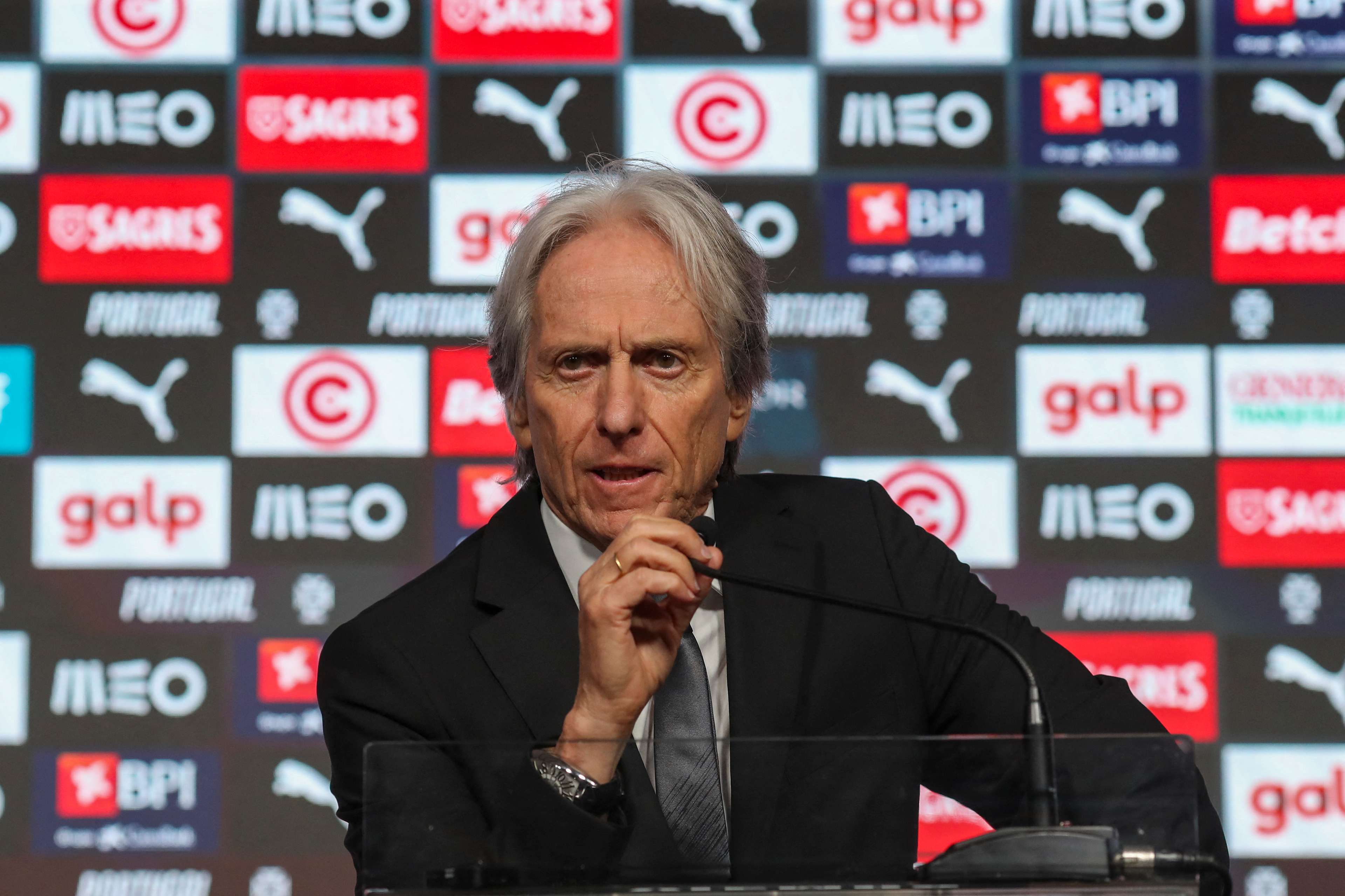
Jorge Jesus, Portugal’s new head coach, recently shared details about how he almost took charge of the Brazil national team last year. The Portuguese manager was managing Al Hilal in Saudi Arabia when the Brazilian Football Confederation approached him in March 2025. This came after the sacking of Dorival Junior following Brazil’s 4-1 defeat to Argentina in World Cup qualifying.
Despite being the leading candidate to replace Dorival, Jesus’ contract with Al Hilal prevented the deal from going through. In an interview with Canal 11, the 71-year-old coach stated, “I did not end up taking charge of the Brazil national team, but I was indeed contacted to draw up the preliminary squad for the match that followed their 4-1 defeat to Argentina.”
Ancelotti Takes the Helm
Jesus parted ways with Al Hilal on 3 May, but by then, the Brazilian confederation had already engaged in talks with Carlo Ancelotti. After leaving Real Madrid, Ancelotti became the first foreign coach in Brazil’s history on 12 May 2025. Under Ancelotti’s guidance, Brazil reached the round of 16 in the World Cup but was defeated 2-1 by Norway.
Assessing Brazil’s Performance
Reflecting on Brazil’s World Cup campaign, Jesus remarked, “I would say that Portugal is the Brazil of Europe… a lot of individual quality, but when the World Cup comes around… Brazil have not been champions for 22 years.” He added, “They always have wonderful players, but then they cannot put together a wonderful team.”
When asked if he would have made different decisions than Ancelotti during the tournament, Jesus mentioned, “Would I have picked a different squad from Ancelotti’s? Of course, for one player or two, yes. I think that right now, the best out-and-out striker in Brazilian football is Pedro.”
Personal Touch in Coaching
Jesus emphasized the importance of a coach’s personal touch, style, and vision for the game. He highlighted the differences in how each coach approaches the game and implements their ideas. Despite potential differences in squad selection, Jesus acknowledged that he mostly agreed with Ancelotti’s decisions.
Following his stint with Al Hilal, Jesus took over as Portugal’s head coach after Roberto Martinez. This transition occurred after Portugal’s exit from the World Cup round of 16. Jesus had previously led Al Nassr to victory in the Roshn League before taking on the role with the Portuguese national team.
In conclusion, while Jorge Jesus missed out on the opportunity to lead Brazil, his insights into coaching and player selection shed light on the intricacies of managing a national team during major tournaments.
The Impact of Coaching Philosophy on Team Performance
One of the key aspects that Jorge Jesus touched upon in his reflections on Brazil’s World Cup campaign was the importance of coaching philosophy on team performance. While individual talent is crucial, it is the coach’s ability to bring together a group of players with diverse skills and personalities that ultimately determines a team’s success on the field.
Jesus’s emphasis on the personal touch in coaching speaks to the need for a coach to understand and connect with their players on a deeper level. Building trust, fostering team spirit, and instilling a shared vision are all vital components of effective coaching. These elements can make a significant difference in how a team performs under pressure in high-stakes competitions like the World Cup.
The Role of Tactical Innovation in Modern Football
Another aspect that can influence a team’s performance in international tournaments is tactical innovation. Coaches like Jorge Jesus are known for their innovative approaches to the game, constantly seeking new strategies and tactics to outsmart their opponents. In a sport as dynamic as football, the ability to adapt and evolve tactically is crucial for success.
Jesus’s mention of selecting Pedro as the best out-and-out striker in Brazilian football highlights the importance of tactical awareness and player selection. Choosing the right players for specific roles within a team can make a significant difference in how a team performs on the field. Understanding the strengths and weaknesses of each player and aligning them with the overall tactical approach is a key part of a coach’s job.
The Evolution of Football Coaching
Over the years, football coaching has evolved significantly, with coaches adopting new methods, technologies, and philosophies to enhance their teams’ performance. Jorge Jesus’s experience and insights into coaching provide a glimpse into the ever-changing landscape of football management. As the game continues to evolve, coaches must stay abreast of the latest trends and developments to stay competitive.
From his close call with the Brazil national team to his current role as Portugal’s head coach, Jorge Jesus’s journey in football coaching is a testament to the dedication and passion required to succeed at the highest level. His observations and reflections offer valuable lessons for aspiring coaches and fans alike, shedding light on the complexities of managing a national team and navigating the challenges of international competition.
Looking Ahead
As the football landscape continues to evolve, with new talents emerging and established teams vying for glory, the role of coaches like Jorge Jesus becomes increasingly crucial. Their ability to inspire, innovate, and lead their teams to success can shape the outcome of major tournaments and leave a lasting impact on the sport as a whole.
Whether it’s through tactical acumen, personal connections with players, or a deep understanding of the game, coaches play a pivotal role in shaping the future of football. Jorge Jesus’s experiences and insights serve as a reminder of the profound influence that a coach can have on a team’s performance and the sport as a whole.
By delving into the intricacies of coaching philosophy, tactical innovation, and the evolving landscape of football management, coaches like Jorge Jesus continue to push the boundaries of what is possible in the world of football. Their insights and experiences enrich the game, providing valuable lessons for coaches, players, and fans alike as they navigate the ever-changing terrain of modern football.