
James Milner Opens Up About Ankle Injury
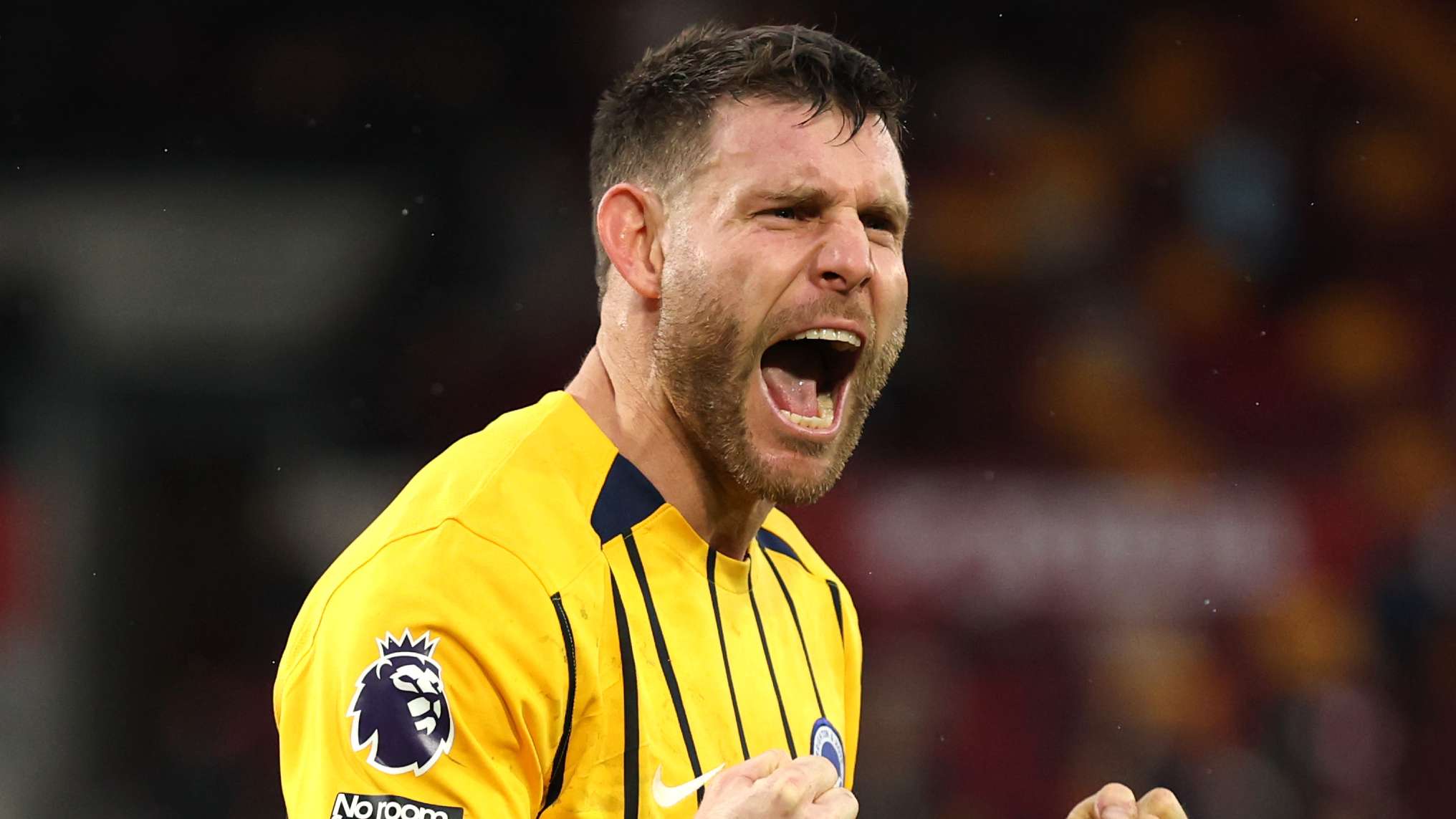
English football star James Milner has recently shared the shocking details of the ankle injury that kept him out of action for six months. The 40-year-old midfielder was initially expected to be sidelined for only a few weeks after sustaining the injury during a match against Arsenal in 2024. However, complications arising from a routine knee operation prolonged his recovery period, leaving him unable to lift his foot or toes for half a year.
The Injury and Recovery Process
What was believed to be a minor setback turned into a major ordeal for Milner, as the ankle injury proved to be more severe than initially anticipated. Following the incident on the pitch, the veteran footballer underwent a knee operation to address the issue. Unfortunately, complications from the surgery led to nerve damage that affected his ankle mobility.
Despite undergoing extensive rehabilitation and physical therapy, Milner’s recovery process was slow and challenging. The inability to lift his foot or toes severely impacted his ability to move and participate in physical activities, forcing him to focus on rest and recovery to avoid further complications.
The Impact on Brighton and Hove Albion
Milner’s absence from the Brighton and Hove Albion squad had a significant impact on the team’s performance during his six-month hiatus. As an experienced midfielder and key player for the club, his absence left a void in the midfield that was difficult to fill. The team struggled to maintain their form and cohesion without his presence on the pitch, leading to a series of disappointing results.
Despite the challenges faced in Milner’s absence, his teammates rallied together to support him during his recovery journey. The club provided him with the necessary resources and assistance to ensure a smooth and successful return to the field once he regained full fitness.
Looking Ahead
As Milner finally makes his comeback to competitive football after a long and arduous recovery process, fans and supporters are eager to see him back in action. The veteran midfielder’s experience and leadership on the pitch will be crucial for Brighton and Hove Albion as they strive to improve their performance and climb up the rankings in the upcoming season.
Despite the challenges he faced during his injury layoff, Milner remains determined and focused on making a strong comeback and contributing to his team’s success. His resilience and dedication to his recovery serve as an inspiration to his teammates and fans alike, demonstrating the importance of perseverance and hard work in overcoming obstacles.
In conclusion, James Milner’s journey through injury and recovery highlights the unpredictable nature of professional football and the importance of resilience in the face of adversity. As he returns to the pitch with renewed determination and passion, all eyes will be on him to see how he performs and leads his team to victory in the upcoming season.
The Mental and Emotional Toll
While the physical challenges of recovering from a severe ankle injury are significant, the mental and emotional toll cannot be overlooked. James Milner’s journey through this injury undoubtedly tested his mental strength and resilience. The frustration of being unable to do what he loves, coupled with the uncertainty of his recovery timeline, took a toll on his mental well-being. It is important to highlight the psychological aspect of such injuries, as athletes often struggle with feelings of isolation, anxiety, and even depression during their rehabilitation process.
Despite these challenges, Milner’s determination to overcome adversity and return to the sport he loves is a testament to his mental toughness. His positive attitude and unwavering focus on recovery undoubtedly played a crucial role in his successful comeback to competitive football.
The Role of Predictive Analytics in Injury Prevention
In modern football, predictive analytics play a crucial role in injury prevention and management. By analyzing players’ performance data, movement patterns, and injury history, sports scientists and medical staff can identify potential risk factors and develop targeted training programs to reduce the likelihood of injuries like the one James Milner experienced.
By leveraging data-driven insights, clubs can proactively monitor players’ physical condition and intervene early to prevent injuries or mitigate their severity. This proactive approach not only helps in maintaining players’ physical health but also ensures their long-term performance and durability on the pitch.
The Support System in Professional Football
James Milner’s journey through injury and recovery also sheds light on the importance of a strong support system in professional football. From medical staff and physiotherapists to teammates and club officials, the support network surrounding an injured player plays a vital role in their rehabilitation process.
In Milner’s case, the unwavering support from Brighton and Hove Albion, both on and off the pitch, was instrumental in his successful recovery. The club’s commitment to providing him with the necessary resources, guidance, and encouragement highlights the collaborative effort required to help a player overcome a significant injury and return to peak performance.
Conclusion
James Milner’s journey through injury and recovery is a compelling narrative that showcases the complexities of professional football beyond the game itself. From the physical challenges of rehabilitation to the mental resilience required to overcome setbacks, his story serves as a reminder of the dedication and perseverance required to succeed at the highest level of the sport.
As Milner prepares to make his long-awaited comeback to competitive football, the lessons learned from his injury layoff will undoubtedly shape his approach to the game. With a renewed sense of purpose and a deep appreciation for the sport he loves, Milner’s return to the pitch is not just a personal triumph but a testament to the unwavering spirit of athletes who refuse to be defined by their setbacks.