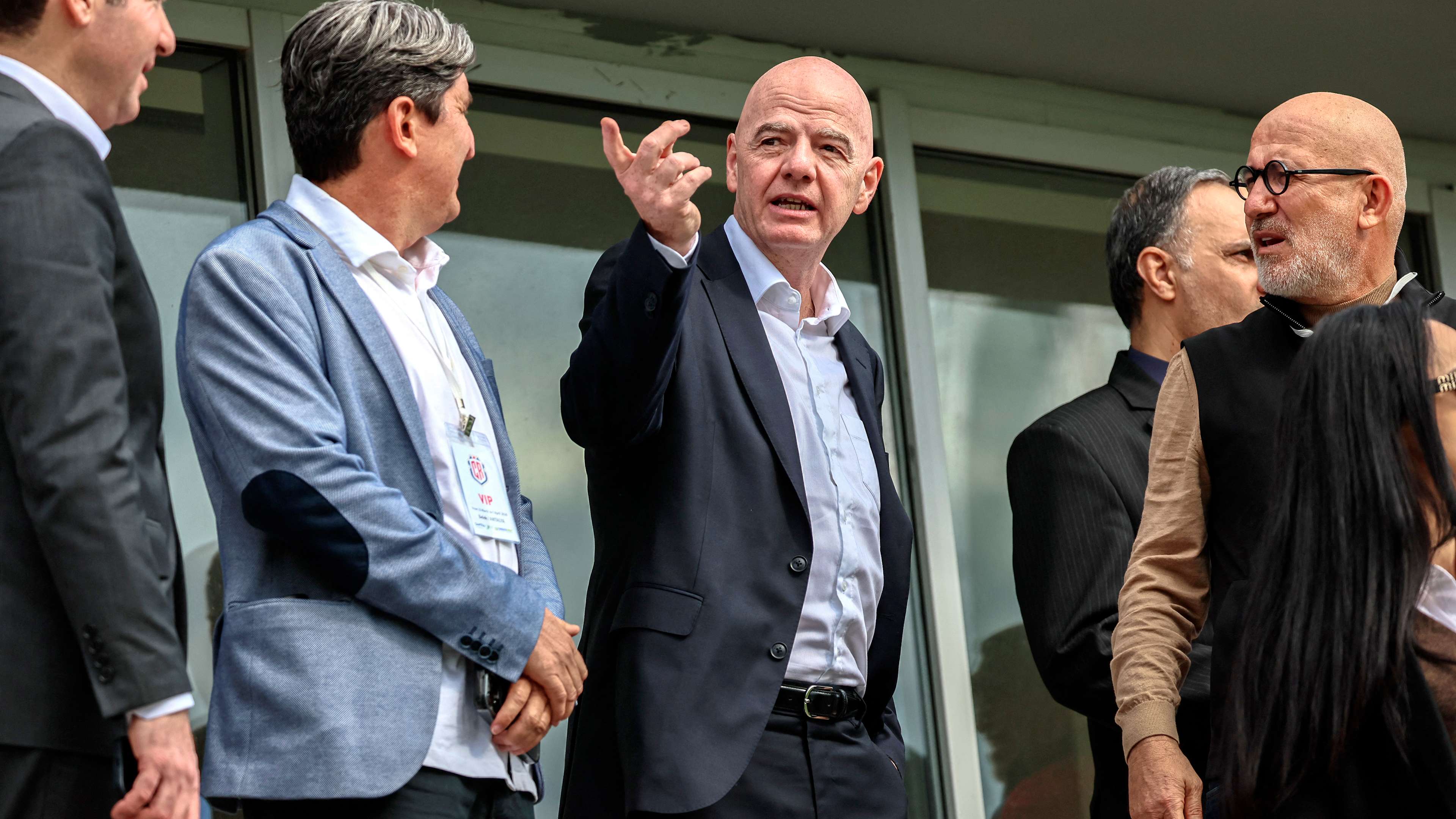

Iran’s Minister of Sport, Ahmad Dania Mali, has recently made headlines with his comments regarding Iran’s stance on the 2026 World Cup. The Iranian Football Federation is pushing for the national team’s three group stage matches to be moved from the United States to Mexico due to the ongoing tensions between the US and Iran. Despite FIFA President Gianni Infantino’s assurance that Iran will play as scheduled, Iran is standing firm on their request.
### Pressure to Change Venue
The Iranian Football Federation has been in talks with FIFA to change the venue for their matches, with Minister Dania Mali stating that the request to move the matches to Mexico is still pending a response from FIFA. He emphasized that if the request is accepted, Iran’s participation in the World Cup will be confirmed, but the final decision lies with the Cabinet.
### Fixture List
Iran is currently scheduled to play all its Group G matches in the United States, facing New Zealand and Belgium in Los Angeles, and Egypt in Seattle. US President Donald Trump has expressed a willingness to welcome the Iranian national team, but concerns about security have been raised.
### Security Concerns
Minister Dania Mali highlighted the importance of security guarantees for the host country, as per FIFA regulations. He stated that the likelihood of Iran participating in matches held in the United States is low unless the necessary security assurances are provided. The final decision on Iran’s participation will be contingent on the government’s assessment of the situation.
### Potential Replacements
Should Iran decide to withdraw from the tournament, speculations arise regarding who might take their place. Italy, which has not qualified for the last three World Cup finals, could potentially fill the spot. However, FIFA may opt to replace Iran with another Asian team to maintain the balance of teams from each continental confederation. The UAE national team is considered a top contender for this scenario.
In conclusion, Iran’s stance on the 2026 World Cup continues to be a topic of debate and speculation. With security concerns and diplomatic tensions at play, the final decision on Iran’s participation remains uncertain. As the football world eagerly awaits the tournament, all eyes are on Iran and the potential outcomes of their negotiations with FIFA.
The Importance of Security in International Sporting Events
One of the key factors that cannot be overlooked when it comes to hosting international sporting events is security. With the global political landscape constantly evolving, the safety and well-being of athletes, officials, and spectators are of utmost importance. In the case of the 2026 World Cup, Iran’s concerns about security in the United States highlight the need for thorough risk assessments and contingency plans.
Diplomatic Tensions Impacting Sports
The intersection of sports and politics is nothing new, and the ongoing tensions between the US and Iran serve as a prime example of how diplomatic issues can spill over into the world of sports. The Iranian Football Federation’s request to move their matches to Mexico underscores the broader implications of political disputes on sporting events. The need for diplomacy and conflict resolution is evident in order to ensure that sports remain a unifying force rather than a source of division.
Potential Repercussions for the World Cup
If Iran were to withdraw from the 2026 World Cup, the tournament’s dynamics could shift significantly. The inclusion of a new team, whether it be Italy or another Asian nation like the UAE, would bring about a fresh set of challenges and opportunities. The decision-making process surrounding Iran’s participation underscores the complexities involved in organizing a global sporting event and the need for flexibility in adapting to unforeseen circumstances.
FIFA’s Role in Mediating International Disputes
As the governing body of world football, FIFA plays a crucial role in mediating disputes and ensuring the smooth operation of international competitions. The organization’s handling of Iran’s request to change venues for their World Cup matches will set a precedent for how such issues are addressed in the future. By balancing the interests of various stakeholders and maintaining the integrity of the tournament, FIFA can demonstrate its commitment to promoting peace and unity through sport.
Looking Ahead to the 2026 World Cup
As preparations for the 2026 World Cup continue, the spotlight remains on Iran and the resolution of their participation dilemma. The outcome of negotiations between the Iranian Football Federation and FIFA will not only impact the team’s fate but also shape the narrative of the tournament as a whole. With the world eagerly anticipating the spectacle of international football, the stakes are high for all parties involved in ensuring a successful and inclusive event.
By exploring the broader implications of Iran’s predicament, the article sheds light on the multifaceted nature of international sporting events and the complex interplay between sports, politics, and diplomacy. As the situation unfolds, the world will be watching closely to see how the 2026 World Cup navigates the challenges posed by Iran’s request and its potential repercussions on the global football landscape.