
Nicolò Barella Under Scrutiny After Inter’s Derby Defeat
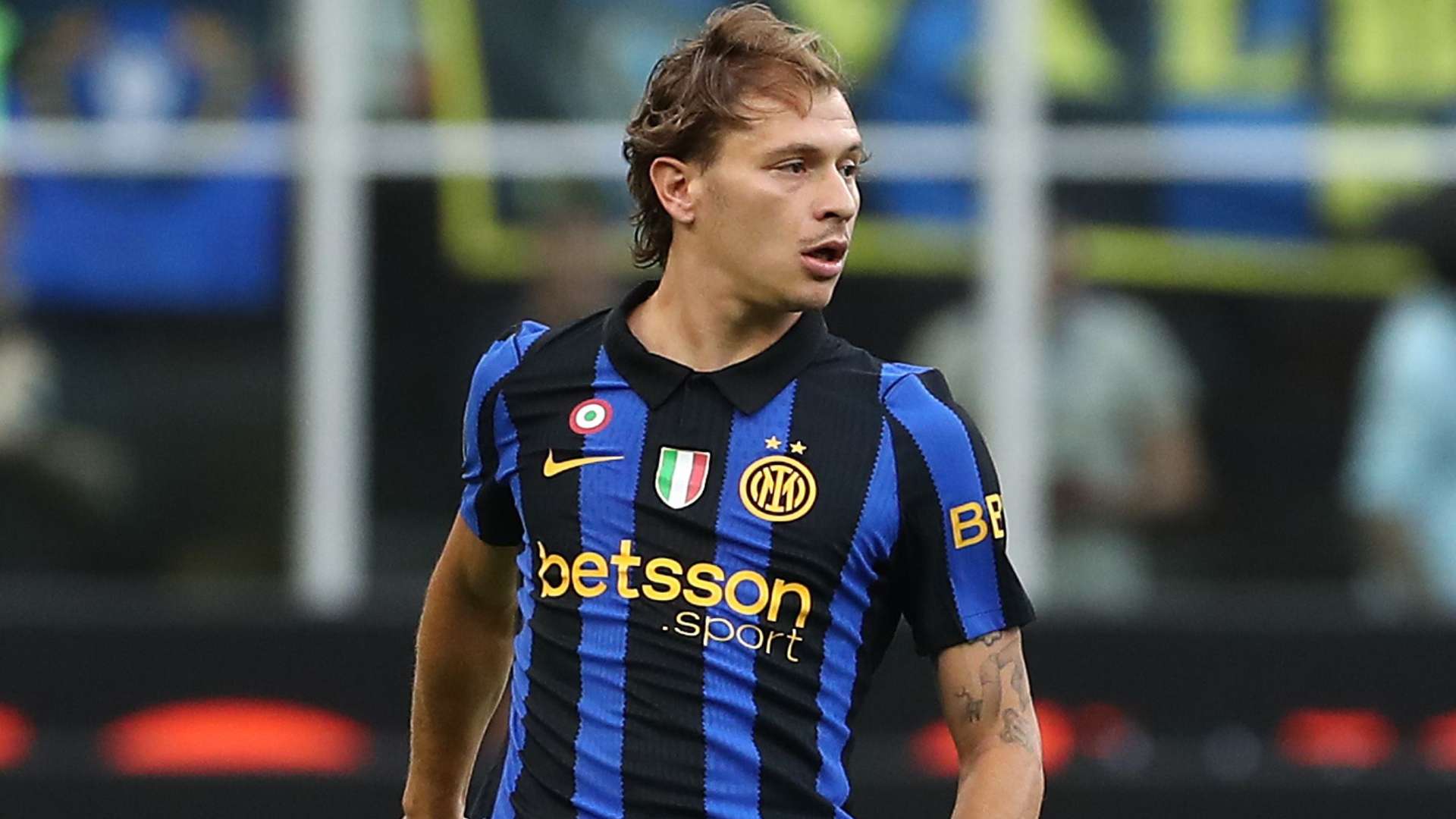
Inter’s 3–1 defeat in the derby has intensified questions about the team’s form, fitness and response to pressure. The result extended the club’s winless run in the fixture to seven matches, leaving supporters with plenty to debate after a difficult night at the Giuseppe Meazza. Among the players facing the sharpest criticism was midfielder Nicolò Barella, whose performance and post-match remarks have drawn attention.
Inter were not at their best across the pitch, and several players appeared short of full fitness. But Barella’s display stood out for the wrong reasons. Costly errors, a lack of his usual influence in midfield and declining statistical output have prompted concerns about whether the Italy international is currently performing to the standard expected of him. His comments after the final whistle added another layer to the discussion, raising questions about the atmosphere in the dressing room and his relationship with head coach Cristian Chivu.
A Difficult Night in the Derby
Derbies are rarely judged on the score alone. They are tests of composure, concentration and character, and Inter’s latest defeat offered little comfort to a fanbase hoping for a turning point. Falling behind and struggling to control key phases of the match left the Nerazzurri chasing the game, while their opponents made better use of the opportunities that came their way.
Barella is usually one of the players expected to set the tempo in precisely these circumstances. His energy, pressing and ability to connect defence with attack have made him an important figure for Inter in recent seasons. Against their city rivals, however, he was unable to impose himself consistently. Mistakes in possession and decisions that failed to move the team forward contributed to a performance that was widely viewed as below his usual level.
That assessment should be considered in context: Inter had fitness concerns, and one disappointing match does not erase a player’s previous contributions. Still, when a team loses a high-profile derby, experienced leaders are often judged by how they respond to adversity. Barella’s influence was expected to be greater, particularly as Inter searched for a route back into the contest.
Statistics Add to the Concerns
Criticism of Barella has not been limited to one game. Comparisons with his performances over the previous two seasons suggest that several of his numbers have declined since the start of the year. While statistics cannot capture every aspect of a midfielder’s work, they can help identify broader trends in involvement and effectiveness.
For a player whose game depends on constant movement and high-intensity contributions, a drop in output can become noticeable quickly. Reduced influence in possession, fewer decisive actions or less consistent involvement in transitions can all affect the way Inter function in midfield. The team relies on Barella to help win the ball, carry it into advanced areas and support attacks. When those contributions are less frequent, the burden shifts to his teammates.
There may be several explanations. Fatigue, a demanding schedule, changes in tactical responsibilities and the physical strain of a long campaign can all affect form. Inter’s fitness problems in the derby may also have influenced the team’s overall performance. Yet the trend will be closely watched, especially because Barella has previously set a high benchmark for intensity and reliability.
Post-Match Comments Raise Questions
The reaction after the match became more complicated when Barella spoke about the dressing room and Chivu’s decisions. His remarks were interpreted as a direct criticism of teammates and the manager, rather than a general expression of frustration. In the emotional aftermath of a derby loss, players may speak candidly, but public comments can carry extra weight when a club is already under pressure.
For Inter, the immediate challenge is to understand whether Barella’s words reflected a moment of anger or a deeper disagreement about the team’s direction. A frank exchange inside the dressing room can sometimes help a squad confront problems. But criticism delivered publicly risks widening divisions if players feel singled out or if the manager’s authority appears to be questioned.
Chivu’s decisions will naturally be examined after a defeat, including his tactical choices and how he managed the team during the match. Coaches are responsible for finding solutions when performances fall short, while senior players are expected to help implement those plans. The relationship between the two sides will be important as Inter try to recover—not only for the next result, but also for the stability of the squad.
What Inter Must Address Next
Inter’s response will matter more than the headlines surrounding one interview. The team must assess its fitness, sharpen its organisation and restore confidence in the midfield. If Barella is to return to his best, he will need to rediscover the consistency and intensity that have made him such a central figure. His teammates, meanwhile, must show that the derby defeat has not damaged their collective focus.
The upcoming schedule offers little time for prolonged reflection. Inter are due to face Feyenoord in the Champions League on 4 November 2026, a fixture that will test both their European ambitions and their ability to respond to disappointment. The match provides an opportunity to reset, but it also brings pressure: another uneven performance could deepen concerns about the team’s form.
For supporters following the latest football prediction discussions, Inter’s next match presents a difficult assessment. The club still has quality and experience, but recent results and questions over player form make confidence harder to judge. Barella’s performance, Chivu’s team selection and the squad’s physical condition are likely to shape expectations ahead of kick-off.
A Chance to Turn Criticism into a Response
Barella remains one of Inter’s most important players, which is precisely why his derby display and comments have attracted so much attention. A dip in form can happen over the course of a demanding season, and strong players are often measured by how they respond to it. The next few matches will offer a clearer picture of whether this was a temporary setback or part of a wider decline.
Inter now need unity as much as quality. A convincing response would help ease concerns about the dressing room, restore momentum and remind supporters why Barella has been trusted as a leader. Until then, the derby defeat will remain a painful reference point—and the midfielder’s form, words and relationship with Chivu will be among the most closely watched stories surrounding the club.