
A Shocking Resignation Rocks FIFA as Controversy Over World Cup Privatization Plan Escalates
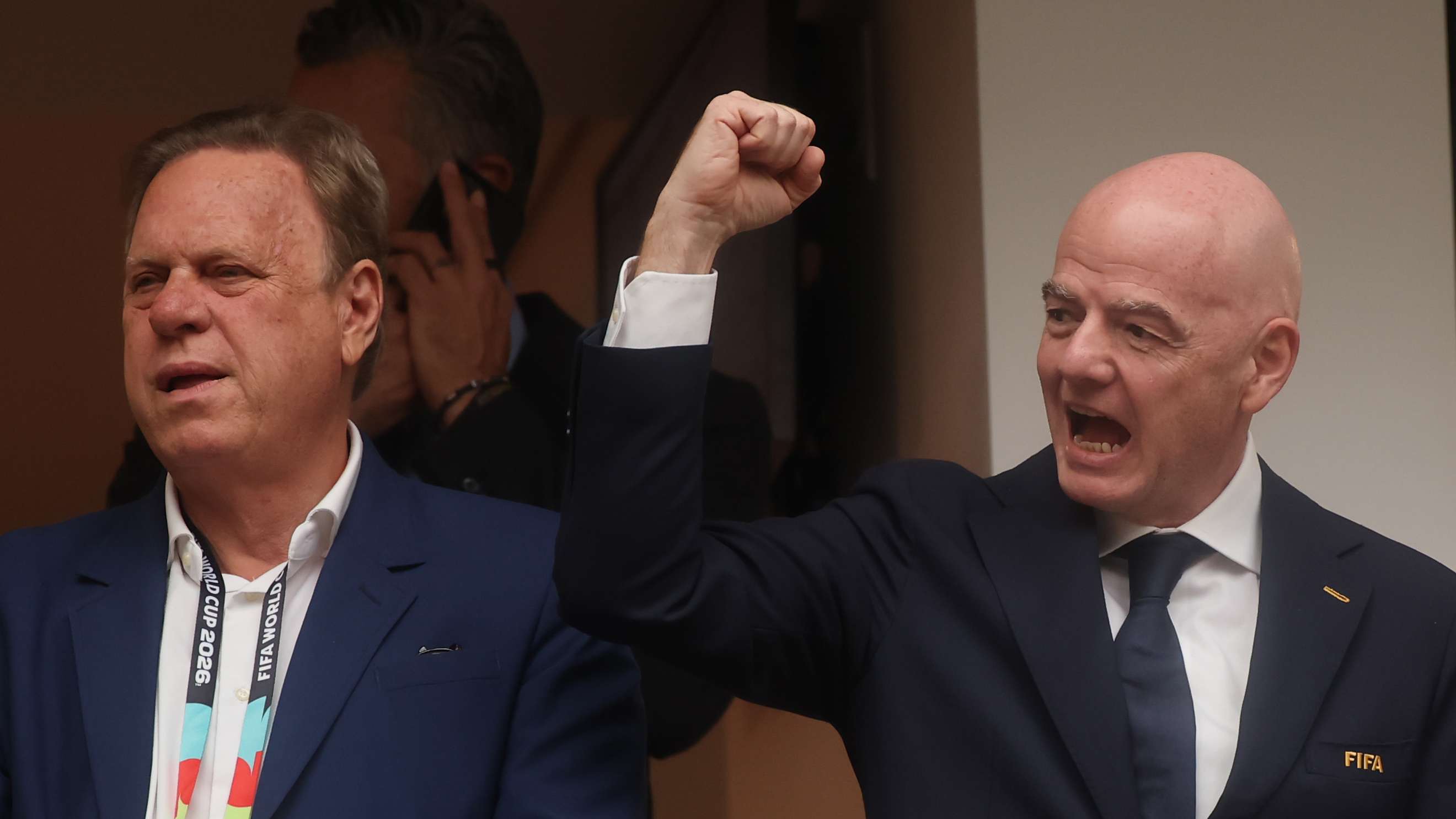
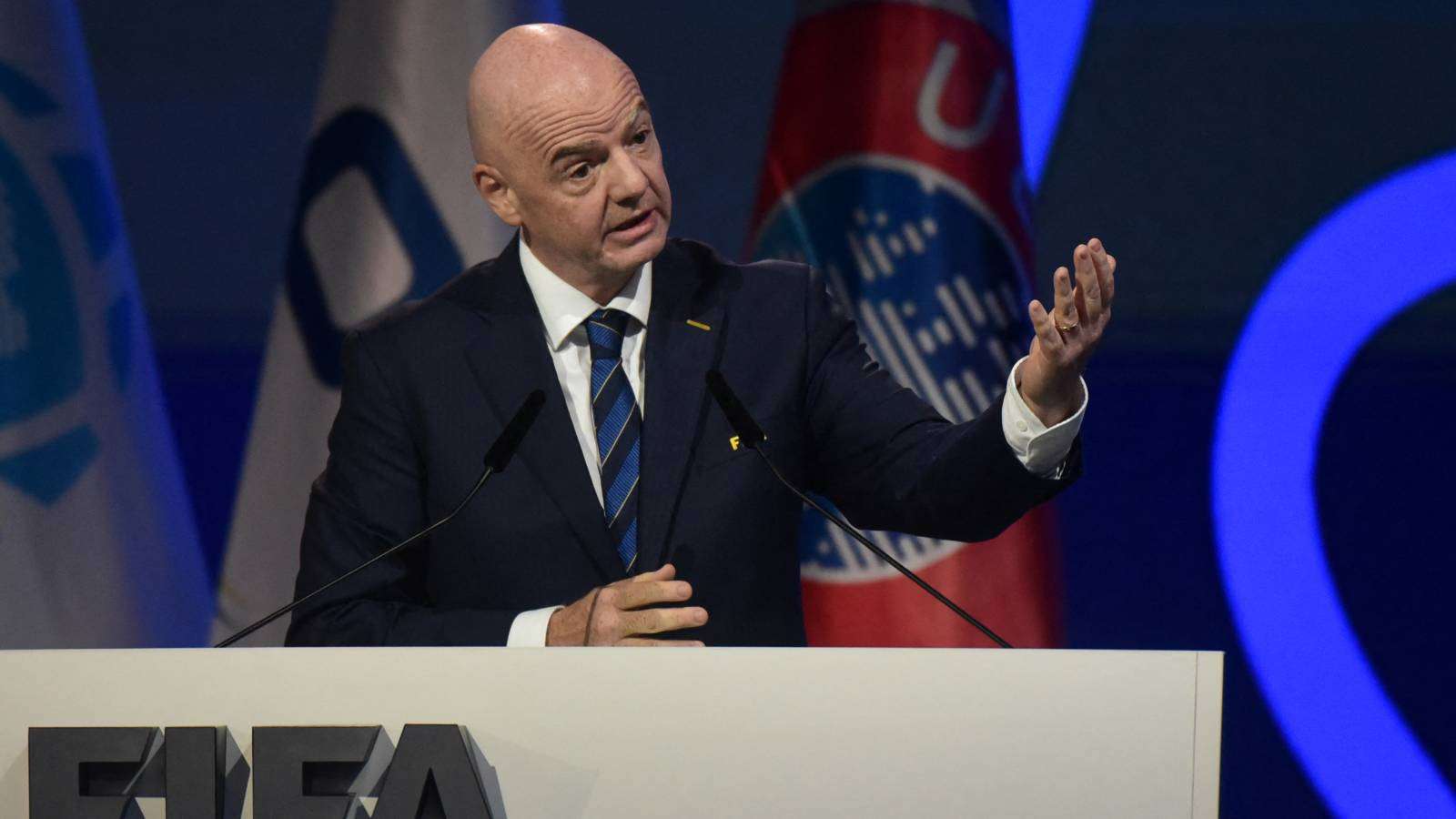
A major upheaval has shaken the core of FIFA, the governing body of world football, as one of President Gianni Infantino’s key advisors, Carlos Cordeiro, has abruptly resigned in protest against what he deems a “flagrant plot to sell the World Cup.” The unexpected departure of Cordeiro has plunged FIFA into an unprecedented crisis, leaving Infantino increasingly isolated and sparking global outrage over the contentious proposal.
The Resignation of a Key Figure
Cordeiro’s resignation was prompted by a proposal to establish a FIFA subsidiary, the “FIFA Forward Foundation,” to oversee the World Cup and potentially allow private investors to purchase permanent stakes in the prestigious tournament. In a scathing statement, Cordeiro criticized the plan as “a mortgaging of football’s future without convincing justification,” leading to his decision to step down from his position as a senior advisor to Infantino.
This development represents a significant setback for Infantino, putting the future of the FIFA Forward Foundation and the entire privatization scheme in jeopardy. The backlash has been swift and widespread, with major continental confederations voicing their opposition and even threatening to boycott the World Cup if the controversial plan moves forward.
Global Backlash and Threats of Boycott
The outrage over the proposal has extended beyond the boardrooms, with England and all UEFA nations vowing to boycott future tournaments should the deal proceed. CONCACAF and the Asian confederation have also joined the chorus of disapproval, creating a united front against Infantino’s vision for the future of football.
Cordeiro’s Strong Opposition
Cordeiro, a former president of the United States Soccer Federation and a seasoned financial executive, minced no words in his criticism of the privatization plan. He emphasized that FIFA already possesses substantial financial resources, with billions of dollars in reserves and no outstanding debt. The notion of selling a stake in the World Cup to generate funds was met with staunch resistance from Cordeiro, who argued that FIFA has the capacity to support member associations without resorting to external investors.
“FIFA does not need the money,” Cordeiro asserted, dismantling the justifications put forth for the privatization scheme. He highlighted FIFA’s impressive revenue figures and commercial success, questioning the necessity of seeking additional investment through selling off a portion of football’s most prized asset.
Infantino’s Persistence Despite Controversy
Despite the mounting backlash and Cordeiro’s resignation, President Infantino remains resolute in his pursuit of the privatization plan. Reports indicate that the proposed deal would result in a staggering weekly salary of one million pounds for Infantino, raising concerns about potential conflicts of interest and personal gain overshadowing the best interests of the sport.
The future of FIFA and the governance of global football hang in the balance as stakeholders, fans, and officials alike grapple with the implications of this unfolding crisis. With uncertainty looming over the fate of the World Cup and the integrity of the sport at stake, the football community awaits further developments in this unprecedented saga.
The Impact on FIFA’s Credibility
The resignation of Carlos Cordeiro has not only exposed divisions within FIFA but has also raised questions about the organization’s integrity and transparency. The privatization plan has cast a shadow over FIFA’s commitment to upholding the values of fair play and inclusivity in football. The controversy surrounding the proposed sale of World Cup stakes has eroded trust in FIFA’s leadership and decision-making processes, prompting calls for greater accountability and ethical standards within the organization.
Cordeiro’s bold stance against the privatization scheme has underscored the importance of principled leadership in safeguarding the interests of football stakeholders. His departure signals a deepening crisis within FIFA, as key figures within the organization grapple with conflicting visions for the future of the sport. The fallout from Cordeiro’s resignation reverberates throughout the global football community, prompting soul-searching among officials and fans alike.
The Role of Private Investors in Football
The controversy surrounding the World Cup privatization plan has reignited debates about the role of private investors in football. While external investment can inject much-needed capital into the sport, it also raises concerns about commercialization, profit-driven motives, and potential conflicts of interest. The prospect of private entities owning stakes in the World Cup raises thorny ethical questions about the commodification of football and the prioritization of financial gain over sporting values.
As football grapples with the challenges of modernization and globalization, the delicate balance between commercial interests and the spirit of the game comes into sharp focus. The push for privatization reflects broader trends in the sports industry, where revenue generation and market expansion drive decision-making at the expense of tradition and community roots. The debate over the World Cup privatization plan encapsulates these tensions, highlighting the complex interplay between financial imperatives and the ethos of football.
The Way Forward for FIFA
Amid the turmoil surrounding the privatization controversy, FIFA faces a critical juncture in its history. The organization must navigate competing interests, restore trust among its members, and chart a course that upholds the integrity and values of football. The fallout from Cordeiro’s resignation underscores the urgent need for FIFA to engage in meaningful dialogue with stakeholders, address concerns about governance and transparency, and reevaluate its strategic direction in light of the current crisis.
As FIFA grapples with the fallout from the privatization controversy, the organization has an opportunity to recommit to its mission of promoting the beautiful game and fostering a culture of inclusivity, respect, and fair play. The road ahead may be fraught with challenges, but it also presents a chance for FIFA to emerge stronger, more accountable, and better equipped to lead football into a new era of sustainable growth and global cooperation.
In conclusion, the shock resignation of Carlos Cordeiro has sent shockwaves through FIFA, sparking a crisis that threatens to reshape the future of global football. The privatization plan, mired in controversy and opposition, highlights the complex interplay between commercial interests and sporting values in the modern football landscape. As FIFA grapples with the fallout from this unprecedented saga, the football community watches with bated breath, hoping for a resolution that preserves the integrity of the sport and the spirit of competition.