
India Women Crowned Inaugural Commonwealth Kabaddi Champions After Dominant Final
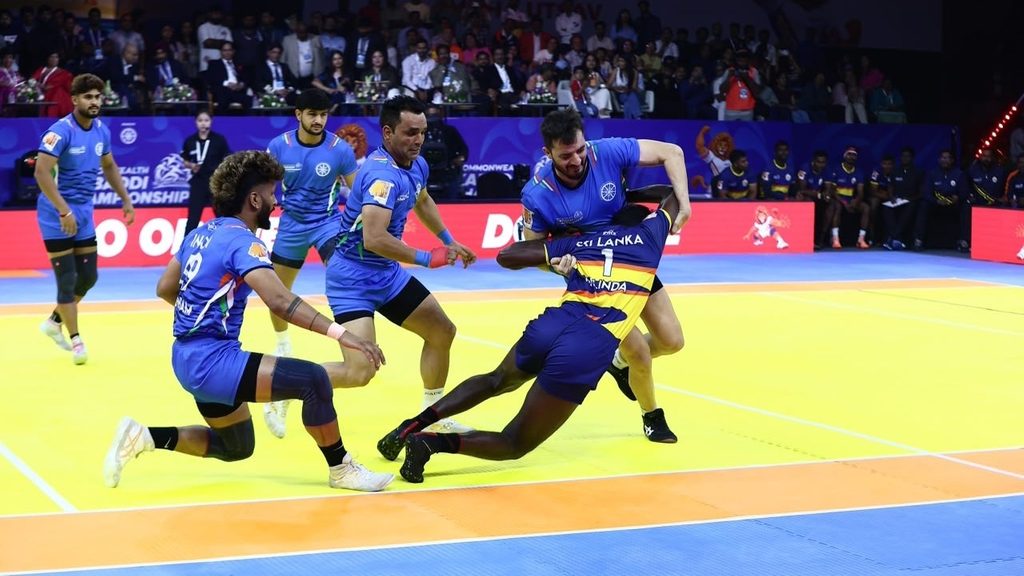
India’s women made history at the inaugural Commonwealth Kabaddi Championship, defeating Uganda 35-15 in the final on Day 9 to claim the first women’s title. Led by captain Nidhi Sharma, the team completed a flawless campaign in Ahmedabad, winning all six of its matches and underlining its status as the tournament’s strongest side.
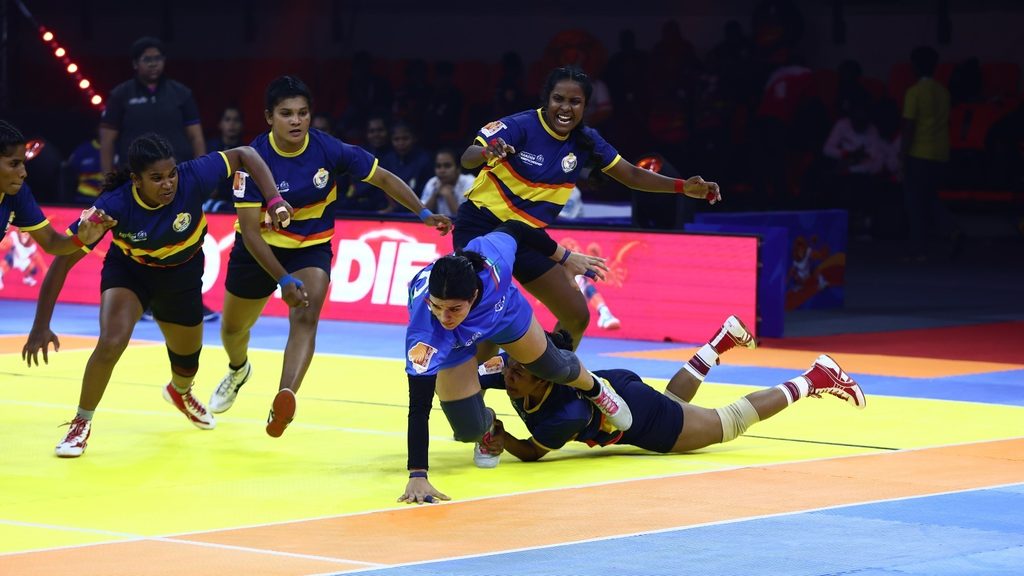
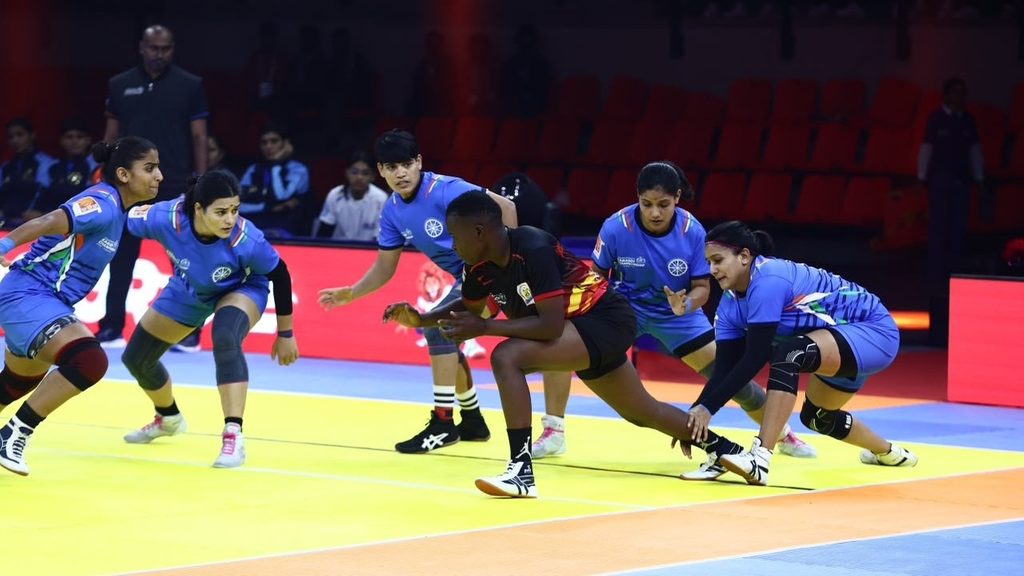
The final showcased India’s balance across raiding and defence. The champions collected 20 raid points and 10 tackle points, while forcing Uganda into two all-outs. Uganda remained competitive in patches, particularly after half-time, but India’s early control and disciplined defensive work proved decisive.
Sakshi leads India’s attack
Sakshi was India’s standout performer in the final, scoring nine raid points from 10 attempts, including two bonus points. She was especially effective in the first half, when she succeeded in all six of her raids and contributed seven points. Her ability to find scoring opportunities while avoiding unnecessary risk helped India build a commanding advantage.
Anu added six raid points, while captain Nidhi Sharma contributed five, three of them bonus points. Their combined efforts gave India multiple scoring options and prevented Uganda from focusing its defence on a single raider. At the other end of the mat, Ritu and Suman each recorded four tackle points, helping India contain Uganda’s attack and turn defensive pressure into momentum.
Uganda relied heavily on Nakayongo Shirat, who took 24 of the team’s 35 raids and scored 11 of its 15 points, including three bonus points. The rest of Uganda’s raiders managed only three points between them. Nalwoga Nahia, a major contributor in the semi-final, was restricted to one point, while Zalwango Jemima recorded Uganda’s only successful tackle of an Indian raider in the second half.
A decisive first-half surge
India began the final steadily, leading 7-3 with 10 minutes remaining in the first half. From that point, the team increased the pressure, outscoring Uganda 15-4 to reach half-time with a 22-7 lead. The spell included an all-out that widened the gap and left Uganda facing a difficult task after the break.
India’s first-half performance was particularly impressive for its consistency. The team did not lose a raid, while Uganda failed to score from any of its nine tackle attempts. India’s defenders, by contrast, made six successful tackles during the opening period. That difference reflected the champions’ composure: India protected its raiders and made Uganda work hard for every opportunity.
Uganda responded with a stronger second half, edging India 7-6 in raid points. However, the improvement was not enough to overturn the deficit. India continued to make key defensive stops, tackling Uganda’s raiders 10 times across the match. The team also converted three of its four do-or-die raids, maintaining its advantage when the pressure was highest.
A second Indian all-out, delivered with less than 10 minutes left, effectively settled the contest. Uganda had shown resilience after the interval, but India’s ability to produce a decisive scoring run at a crucial moment ensured there would be no late comeback.
Unbeaten route to the championship
India’s final victory completed a remarkable six-match run in Ahmedabad. The team opened its campaign with a 73-13 win over Malaysia before defeating Singapore 32-16. Further group-stage victories over Uganda, 41-18, and Nigeria, 38-10, secured top spot in Group A.
India then carried its form into the knockout stage, beating Sri Lanka 39-14 in the semi-final before facing Uganda again in the championship match. The final scoreline was narrower than their earlier group encounter, but India once more controlled the important phases and finished the tournament without a defeat.
The campaign highlighted the depth of India’s squad. The side combined high-scoring raids with reliable defence, while different players stepped forward at key moments. That balance is essential in kabaddi, where a team must manage risk on every raid and respond quickly when opponents attempt to build momentum.
Sakshi highlights the value of international competition
Sakshi finished the championship with 52 points across six matches and was named among India’s leading performers in the final. Reflecting on the gold-medal win, she said she was delighted to score nine raid points and help the team secure the title. She also described the atmosphere in the squad as euphoric after the victory.
She said international tournaments are important for the growth of kabaddi, particularly because they give young players valuable experience against different styles of play. Sakshi also noted that she had seen improvement in other teams compared with the previous year and thanked the Amateur Kabaddi Federation of India for organising the championship.
Her comments point to a broader significance beyond the medal. A Commonwealth-level competition gives developing teams more opportunities to test their skills, while exposing players to the tactical demands of international matches. For India, the event offered a chance to demonstrate its strength; for emerging kabaddi nations, it provided a platform to gain experience and build competitive depth.
A landmark result for women’s kabaddi
India’s triumph will be remembered as a milestone for women’s kabaddi: the team became the first women’s champions of the Commonwealth Kabaddi Championship and did so with a perfect record. The final against Uganda brought together sharp raiding, disciplined tackling and timely all-outs—qualities that defined India’s campaign from its opening match to the last whistle.
With Sakshi leading the scoring, Nidhi Sharma guiding the side and the defence delivering under pressure, India closed the tournament as deserved champions. The unbeaten gold-medal run not only adds a significant title to the team’s record but also strengthens the profile of women’s kabaddi on the international stage.