
African Football in Crisis: Morocco Raises Questions After Controversial AFCON Final
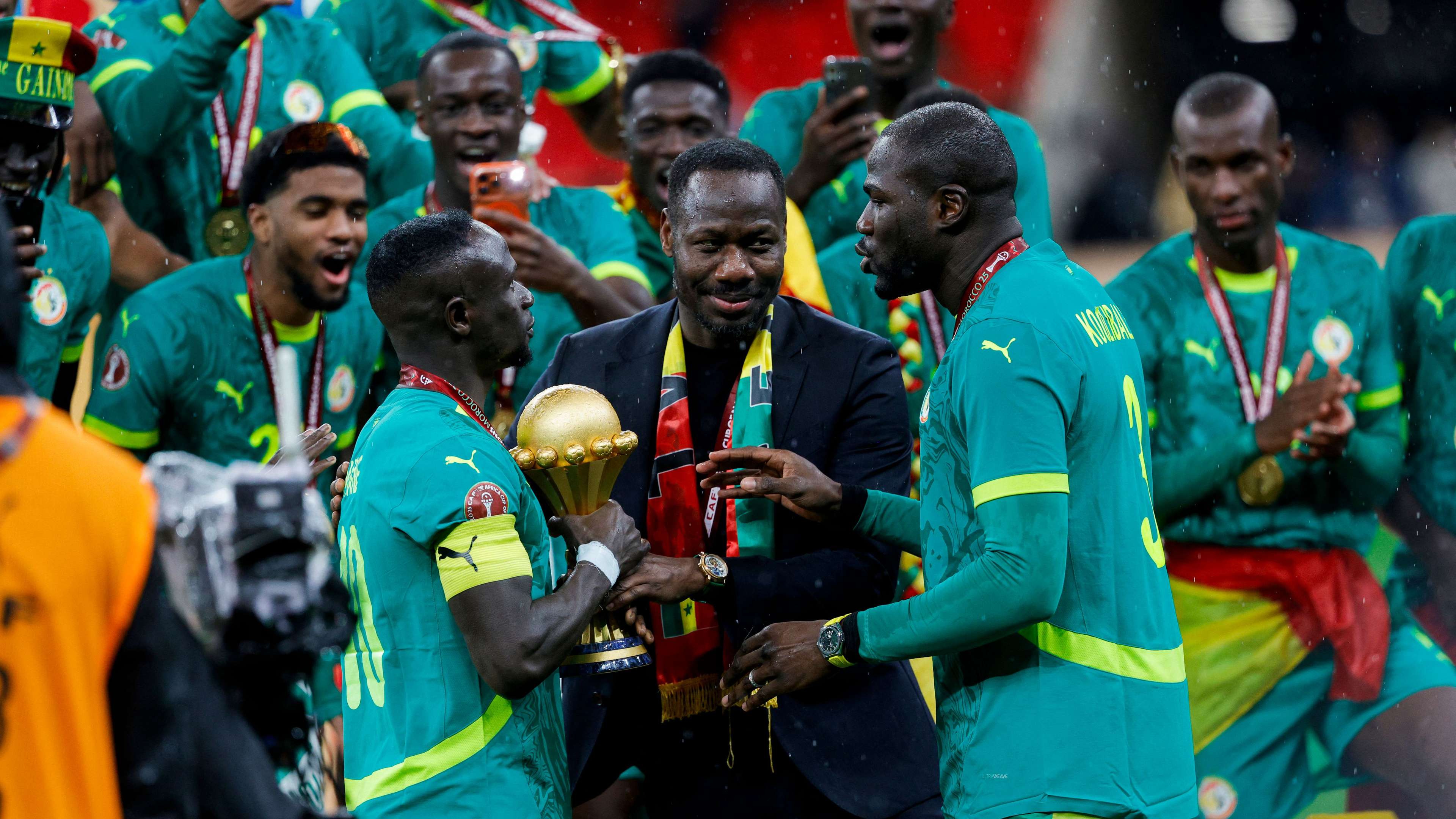
Football on the African continent is facing an unprecedented crisis following the controversial Africa Cup of Nations final between Senegal and Morocco. The events that unfolded in the final minutes of the match have led to a fierce legal battle between the two nations, with the Court of Arbitration for Sport accepting Senegal’s appeal and further complicating the situation.
Legal Battle Over AFCON Title
The dispute over the Africa Cup of Nations title has escalated to the point where both Senegal and Morocco are eagerly awaiting a final ruling from the Court of Arbitration for Sport to determine the rightful champion. The situation has divided opinions among fans, the media, and even within the football community.
A Moroccan journalist expressed frustration over the delay in resolving the issue, stating that Morocco should have been crowned champions after Senegal withdrew from the final moments of the match. This sentiment reflects the tension and controversy surrounding the outcome of the AFCON final.
Broader Dimensions of the Crisis
What started as a sporting dispute between two national teams has now expanded to involve other parties, with the Moroccan Football Federation considering lodging a complaint against the French Football Federation. The decision to allow the Senegalese team to celebrate during a friendly match has only added to the mounting tension.
The crisis has not only affected the two nations involved but has also reverberated throughout the international football scene, raising concerns about the handling of major tournaments such as the World Cup. The complexity of the issue has put a spotlight on the African football community and its ability to navigate conflicts that hinder its development.
Impact on African Football
The ongoing dispute over the AFCON title has created palpable tension within the African football community, with players and stakeholders grappling with the repercussions of the controversial final. Many players have chosen to remain silent on the matter to avoid being dragged into a sensitive issue that could impact the future of the game on the continent.
As the final decision looms, the outcome will not only determine the champion but also mark a turning point in the history of African football. The continent’s efforts to compete with European and South American counterparts are hindered by conflicts like these, which continue to overshadow its development.
Overall, the crisis sparked by the AFCON final highlights the complexities and challenges facing African football, as stakeholders await a resolution that will shape the future of the game on the continent.
Impact on Players and Fans
One of the overlooked aspects of the crisis following the AFCON final is the impact it has had on the players and fans of both Senegal and Morocco. The players who participated in the final, especially those directly involved in the controversial moments, have been under immense pressure and scrutiny. The uncertainty surrounding the outcome of the match has undoubtedly taken a toll on their mental and emotional well-being.
Furthermore, fans of both nations have been deeply affected by the ongoing dispute. The passion and pride that supporters feel for their national teams have been overshadowed by the legal battles and uncertainty surrounding the championship title. The divisive nature of the situation has led to tensions among fans, with heated debates and disagreements on social media and in public forums.
The crisis has also raised questions about the integrity of the sport and the impact of controversial decisions on the overall perception of African football. Fans and players alike are left questioning the fairness and transparency of the governing bodies responsible for overseeing the tournament and ensuring a level playing field for all teams involved.
Lessons Learned and Moving Forward
As African football grapples with the aftermath of the AFCON final, there are valuable lessons to be learned from the crisis. The need for clear and consistent regulations, transparent decision-making processes, and effective conflict resolution mechanisms has become increasingly apparent. The importance of upholding the spirit of fair play and sportsmanship in all aspects of the game cannot be understated.
Moving forward, stakeholders in African football must work together to address the underlying issues that have contributed to the current crisis. This includes improving communication and collaboration between national federations, enhancing the training and education of referees and match officials, and fostering a culture of respect and sportsmanship among players and fans.
By learning from this experience and implementing necessary reforms, African football can emerge stronger and more resilient in the face of future challenges. The crisis following the AFCON final serves as a wake-up call for the entire football community in Africa to prioritize integrity, fairness, and unity in order to elevate the sport to new heights.
Conclusion
In conclusion, the crisis sparked by the controversial AFCON final between Senegal and Morocco has brought to light the complexities and challenges facing African football. The legal battle over the championship title, the broader implications of the dispute, and the impact on players and fans all underscore the need for greater transparency, integrity, and collaboration within the African football community.
As stakeholders await a final ruling from the Court of Arbitration for Sport, the outcome of this dispute will not only determine the rightful champion but also shape the future of football on the continent. It is imperative that lessons are learned from this experience and that proactive measures are taken to prevent similar crises from occurring in the future.
Ultimately, the crisis following the AFCON final presents an opportunity for African football to reflect, learn, and grow, paving the way for a more resilient and united sport that can compete on the global stage with integrity and pride.