
Mohsen Saleh Backs Mohamed Salah for Temporary Egypt Coaching Role
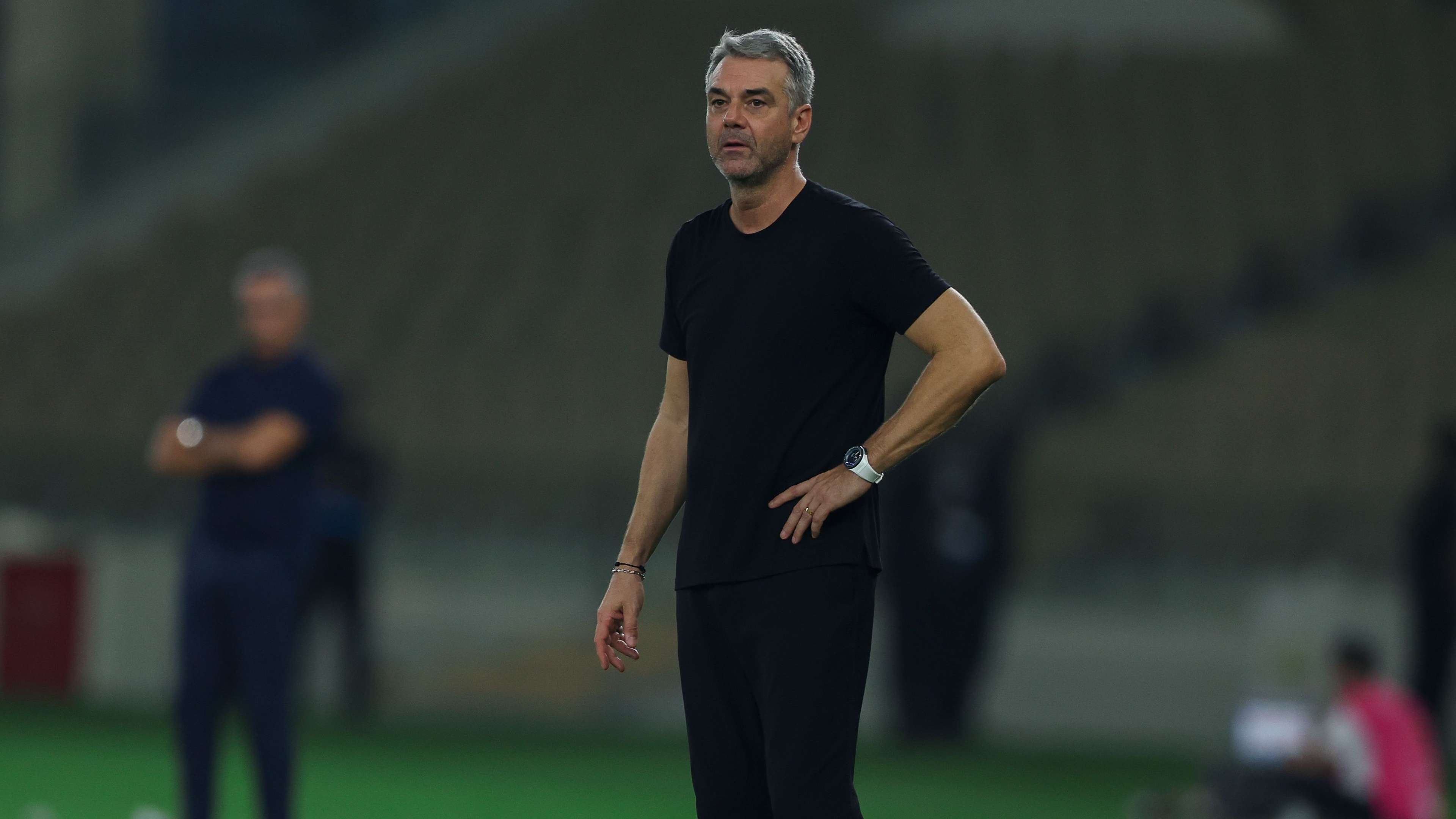
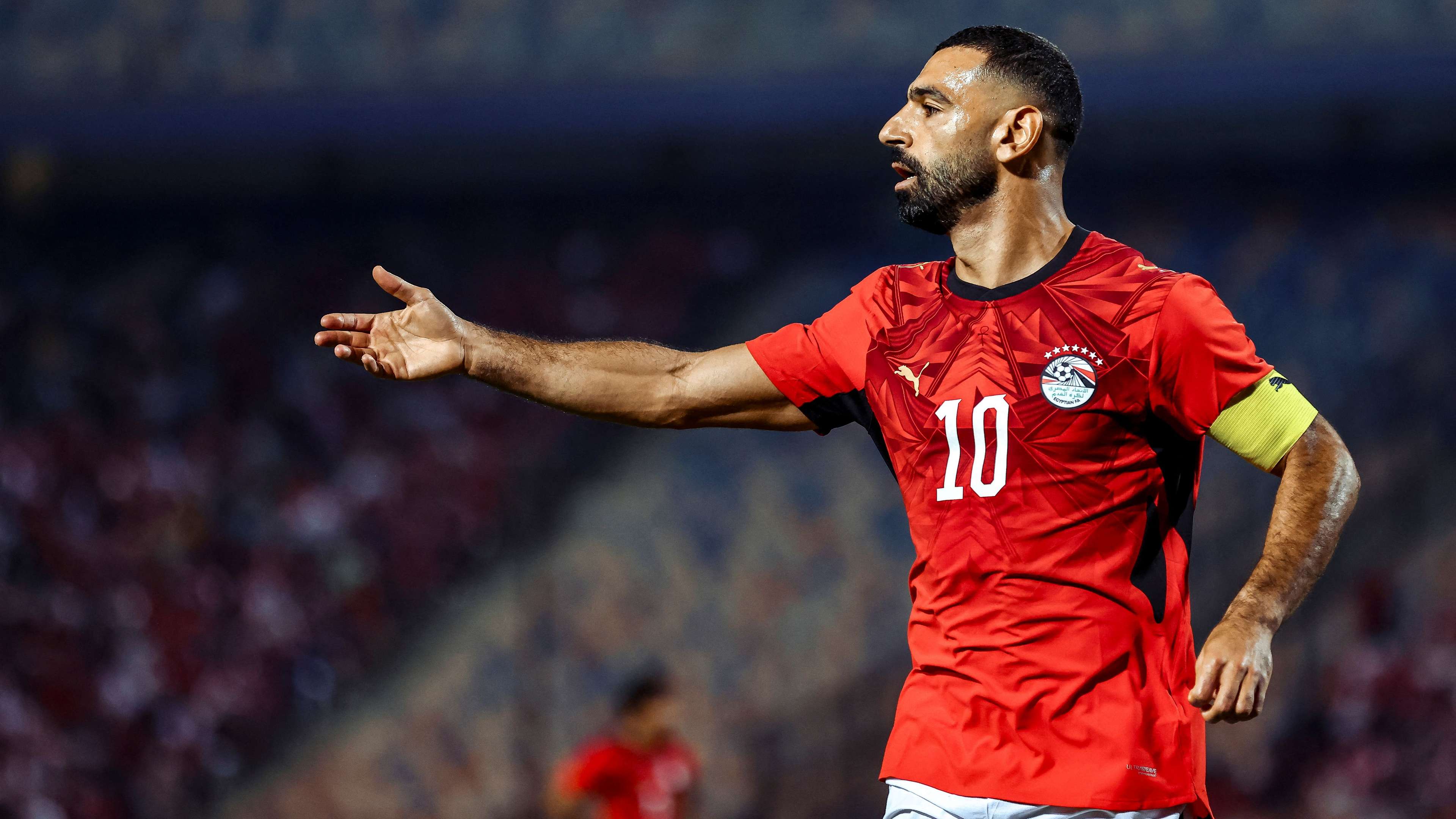
Former Al-Ahly planning committee chief Mohsen Saleh has proposed an unconventional solution to Egypt’s coaching dilemma: appoint Mohamed Salah as the national team’s temporary leader while head coach Hossam Hassan and team manager Ibrahim Hassan serve FIFA suspensions.
Saleh believes the Liverpool legend—identified in the original report as a star of Turkish club Trabzonspor—has the personal authority and football knowledge to guide Egypt through its next three fixtures. His suggestion has sparked debate about whether an active international player could take on a leadership role normally reserved for a member of the coaching staff.
Why Egypt needs an interim leader
FIFA handed Hossam Hassan and Ibrahim Hassan three-match suspensions each following incidents connected to Egypt’s match against Argentina at the World Cup. The sanctions mean both officials are set to miss Egypt’s two meetings with Malawi in the third and fourth rounds of qualifying for the 2027 Africa Cup of Nations, as well as a later match against Angola, scheduled for March 2027.
The Malawi fixtures are listed for November 13 and 17, making the timing particularly challenging for the Egyptian Football Association. With the head coach and team manager unavailable on matchdays, the federation must ensure that the squad still has clear leadership, tactical direction and a reliable point of contact throughout the games.
FIFA suspensions can impose restrictions beyond simply keeping a coach away from the touchline. As Saleh explained in a post on X, a suspended official may be barred from the dressing room and players’ tunnel, the substitutes’ bench and the technical area. Restrictions can also prevent direct communication with players before or during a match, including contact from the pitchside area.
Those limitations make it important for Egypt to identify an eligible official who can handle matchday responsibilities. The appointed stand-in would need to communicate instructions, respond to changes in the game and coordinate with the rest of the technical staff without violating FIFA’s disciplinary rules.
Saleh’s case for Mohamed Salah
Saleh raised the issue publicly, asking who should lead the national team while the coaching staff are suspended. He then argued that Salah could be the most suitable temporary choice, particularly because the available preparation time is limited.
In Saleh’s view, the forward brings more than fame and experience. Salah has spent years competing at the highest levels of club and international football, where he has worked under different tactical systems, handled intense pressure and taken responsibility in decisive moments. Those experiences, Saleh suggested, could help him command respect within the Egypt squad.
The proposal is unusual because Salah remains a player rather than a qualified, appointed coach. It would therefore require careful consideration by the Egyptian Football Association, including whether the role is permitted under applicable competition regulations and how it would fit with the existing coaching staff. A temporary leader would also need to be formally designated so that responsibilities are clear to players, officials and match organisers.
There is a practical distinction between being an influential senior player and acting as the team’s official coach. Salah could offer encouragement and leadership from within the squad, but tactical decisions, substitutions and formal communication with match officials generally fall to the appointed technical staff. Any plan involving him would need to address that difference rather than rely on reputation alone.
Examples of players who took on leadership duties
To support his suggestion, Saleh pointed to well-known figures who combined playing careers with leadership roles. He cited Kenny Dalglish at Liverpool, Ruud Gullit and Gianluca Vialli at Chelsea, Ryan Giggs at Manchester United and George Weah with Liberia.
These examples show that football has occasionally allowed exceptional players to take on responsibilities beyond their position on the pitch. However, each case developed in a different sporting and regulatory context. Some involved players who were already becoming coaches, while others reflected particular club or national-team circumstances. Their careers offer historical context, but they do not automatically establish that Salah could fill the same role for Egypt under current rules.
What Egypt must weigh before making a decision
Any interim arrangement would have to balance authority, preparation and compliance. Egypt will need someone capable of delivering the coaching staff’s tactical plan, making decisions under pressure and keeping the squad focused across two important qualifying matches. The team must also avoid confusion over who is responsible for substitutions, instructions and communication from the technical area.
The schedule adds another layer of pressure. International windows leave little time to build a new working relationship, and consecutive matches against Malawi could have a significant influence on Egypt’s position in the qualifying group. A stable plan could help limit disruption, while an unclear appointment might create uncertainty at a time when consistency is essential.
For supporters following the football news, Saleh’s proposal is best understood as a call for decisive leadership rather than a confirmed appointment. The Egyptian Football Association has not, in the material cited, announced that Salah will become interim coach. Until an official decision is made, the suggestion remains a talking point—and any prediction about Egypt’s matchday leadership should be treated as speculation.
Whether Salah is considered for a formal role or simply expected to lead by example as captain, his influence within the squad is likely to remain important. The coming fixtures will test Egypt’s ability to adapt to the suspensions, maintain its competitive edge and manage a demanding qualification campaign. For now, the key question is not only who will stand in the technical area, but how Egypt can preserve clarity and confidence while its usual leaders are absent.