
Young Football Rising Star Lamine Yamal Breaks Silence on Facing Racism in Spanish Stadiums
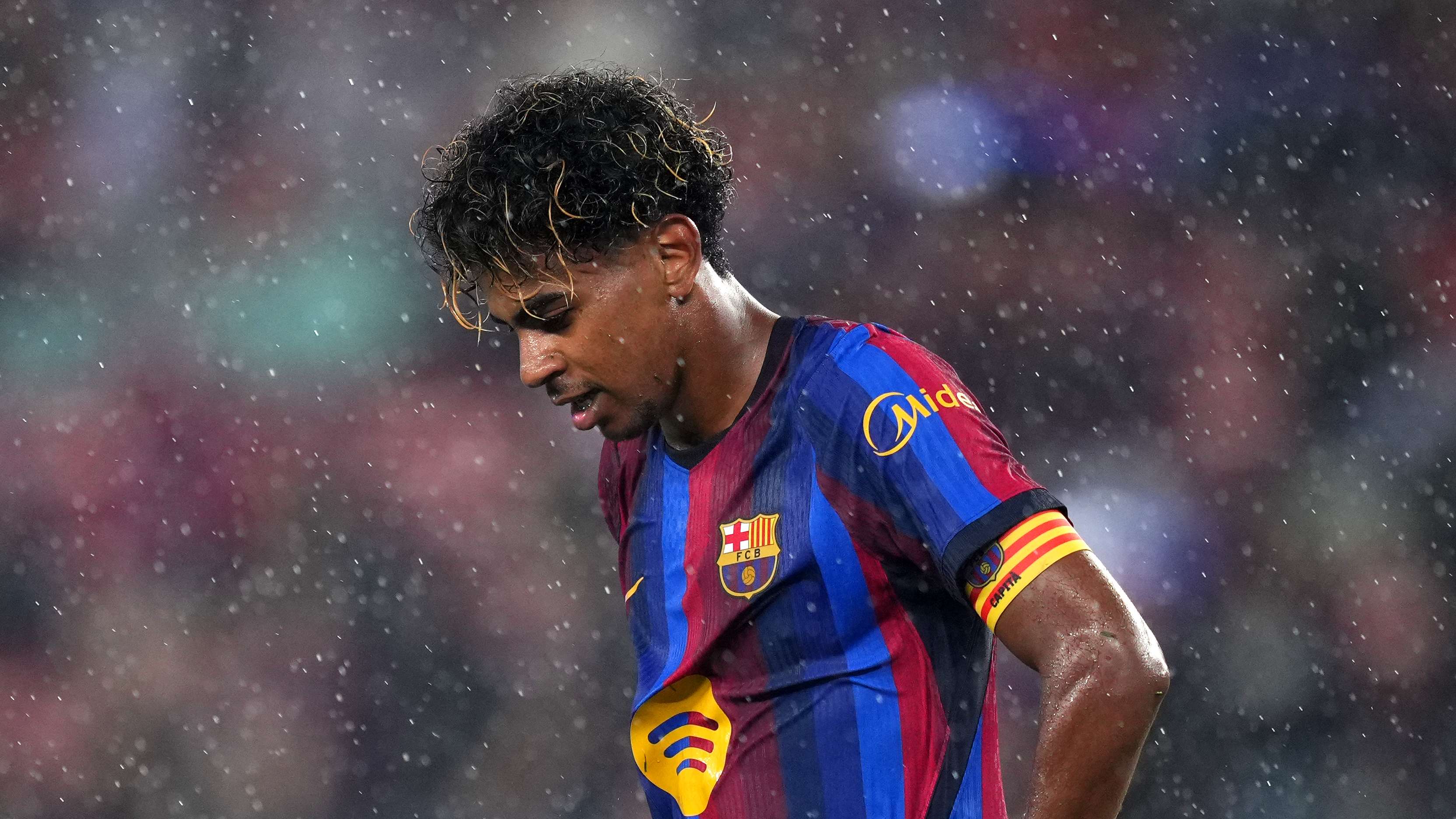
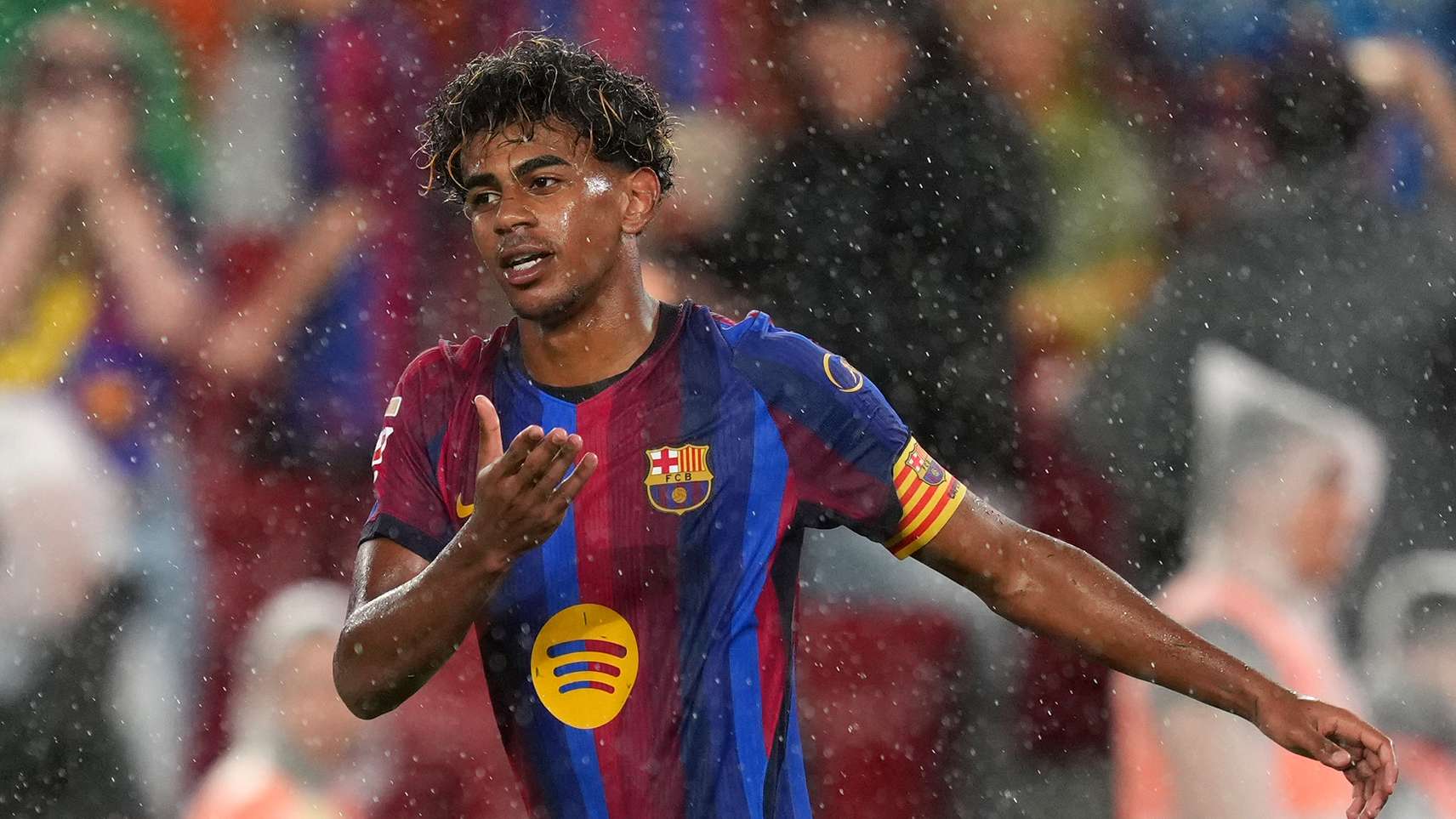
In an emotional and candid interview that has sent shockwaves through the football community, Barcelona’s promising young winger Lamine Yamal has revealed the unsettling extent of racism he has endured during matches in Spain. His heartfelt account shines a light on the persistent issues of bigotry that continue to tarnish the beautiful game and highlights the urgent need for comprehensive action against discrimination in football stadiums.
Yamal’s Courageous Admission: Facing Racism in the Heart of Spain’s Most Iconic Stadiums
Ahead of his anticipated appearance on the renowned football talk show “Universo Valdano”, Lamine Yamal chose to speak openly about a troubling reality that many players, especially those from minority backgrounds, face on match days. During a revealing discussion with Jorge Valdano, Yamal did not shy away from recounting his harrowing experiences with racist abuse, particularly highlighting an incident during the highly charged El Clásico of October 26, 2024.
The young Barcelona star described how, during the intense moments of celebration after scoring a goal, he and teammate Raphinha were subjected to a barrage of xenophobic chants and insults from the Santiago Bernabéu stands. Spectators hurled offensive language such as “filthy black,” “filthy Moor,” and “filthy immigrant,” revealing a distressing undercurrent of racial intolerance that still festers within some corners of Spanish football. Yamal’s words laid bare the deep-rooted prejudice that continues to challenge the sport’s ideals of fairness and unity.
Understanding the Subtlety of Racial Discrimination in Football
Yamal’s account went beyond just recounting explicit insults. He pointed out how racism often manifests in more subtle forms—through sidelong looks, dismissive comments, and indirect gestures that many players might not even recognize as discriminatory. “People are racist towards you indirectly, but perhaps they do not realize it,” he explained. This nuanced perspective underscores the importance of awareness and education in combating all forms of bigotry.
He further emphasized that these insults, though hurtful, should not provoke anger or retaliation during matches. “What I will not do, while I am playing a match that people have paid to watch me, is to get angry at someone who was not respecting me,” Yamal stated with admirable maturity. His stance echoes the core values of sportsmanship and resilience, reminding fans and players alike that dignity and professionalism should prevail over hatred and ignorance.
Football’s Response to Incidents of Racism: Action and Accountability
The incident at Santiago Bernabéu prompted swift responses from both authorities and clubs. La Liga, Spain’s top professional football division, promptly notified the National Police about the racist abuse, reflecting a growing awareness of the seriousness of such offenses. Meanwhile, Real Madrid launched an internal investigation to identify those responsible, which led to the discovery that a minor was involved in hurling racist insults during the match.
In a decisive move, the juvenile prosecutor’s office imposed strict sanctions: the minor was banned from entering all stadiums hosting official football competitions for a period of 12 months. Additionally, he was sentenced to perform 30 hours of community service and was required to issue a formal apology to Yamal. These measures, while commendable, also highlight the ongoing struggle to implement effective deterrents against racism in football.
The Broader Context: Racism in Football and the Fight for Equality
Yamal’s brave testimony resonates beyond the Spanish league, echoing a universal challenge faced by football leagues worldwide. Despite progress in many areas, incidents of racial abuse remain disturbingly common, undermining the sport’s reputation and its potential to be a unifying force.
From the Premier League to Serie A and beyond, players from diverse backgrounds often find themselves targets of xenophobic chants and discriminatory behavior. This pervasive issue calls for comprehensive strategies that include strict sanctions, educational programs, and campaigns promoting diversity and inclusion. The football community has a moral obligation to create safe environments where talent can flourish regardless of racial or ethnic background.
Predictions for the Future: Can Football Really Eliminate Racism?
As fans and analysts discuss the implications of Yamal’s revelations, many wonder about the future trajectory of football in combatting racism. Will increased awareness and tougher punishments lead to a significant decline in discriminatory incidents? Or are deeper societal attitudes that require broader cultural change?
Experts suggest that while rule enforcement and sanctions are vital, they must be complemented by grassroots initiatives aimed at fostering respect and understanding from an early age. Educational programs in schools, community outreach, and partnerships with anti-racism organizations can help reshape perceptions and eradicate prejudice at its roots.
Conclusion: A Call to Action for Fans, Clubs, and Authorities
Lamine Yamal’s candid account serves as a powerful reminder that discrimination persists in football, threatening the sport’s integrity and its role as a global unifier. His resilience and maturity inspire hope that change is possible, but only if players, clubs, authorities, and fans work together to confront and eliminate racism.
As the football community continues to debate and implement strategies to promote inclusivity, predictions for a more equitable future remain optimistic. The path forward requires unwavering commitment, education, and a collective determination to ensure that every player can perform without fear of prejudice, regardless of race or background.
For those passionate about football and its potential to inspire positive societal change, Yamal’s story is both a wake-up call and a rallying cry. The beautiful game must be a safe space for all—on and off the pitch.
Discuss and Share Your Views
You can join the conversation and share your insights on these critical issues in football forums and social media platforms. Together, we can advocate for a future where the sport truly embodies diversity, respect, and unity.