
Uli Hoeneß’s Jamal Musiala Comments Spark Debate Ahead of Bayern Munich’s Bundesliga Match
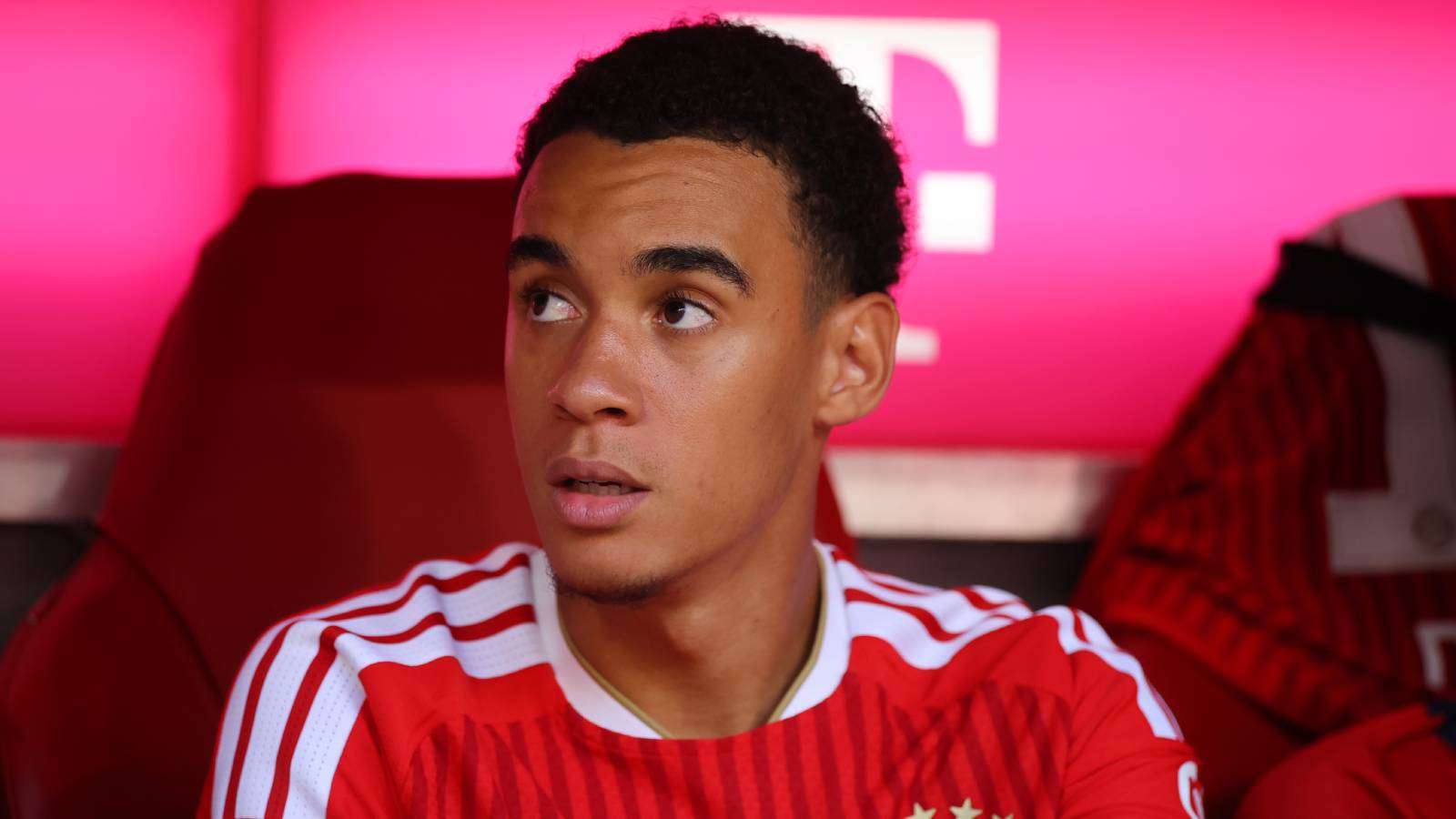
Bayern Munich honorary president Uli Hoeneß has triggered widespread discussion in German football after making striking remarks about Jamal Musiala’s health, recovery and contract. Hoeneß described the situation as a dilemma, saying the condition affecting the midfielder can be managed with medication but may be difficult to cure. He also questioned whether Musiala will eventually regain his previous level of performance.
The comments have drawn attention because they touch on several sensitive issues at once: a high-profile player’s medical privacy, the uncertainty involved in returning from illness or injury, and the responsibilities clubs have toward players under contract. They come as Bayern prepare for their Bundesliga meeting with FC Köln on November 21, 2026, a fixture that will naturally invite questions about the club’s fitness options and attacking plans.
What Hoeneß Said About Musiala
Hoeneß said Bayern faced a difficult situation with Musiala, referring to an illness that he said could be controlled through medication. He added that it remained uncertain whether the player would ever return to his former performance level. Hoeneß then pointed to Musiala’s ongoing salary and raised a hypothetical question about whether a club could challenge a player’s contract if his current ability differed from what had been expected when the agreement was signed.
That suggestion has become the most contentious part of the discussion. A professional contract does not guarantee that a player will remain at peak fitness throughout its duration. Footballers may experience injuries, illness or other setbacks, and their availability can change considerably. For that reason, Hoeneß’s remarks have prompted debate about how clubs should balance sporting expectations with a player’s contractual and personal circumstances.
Why Musiala’s Situation Matters to Bayern
Musiala is among Bayern’s most influential attacking players, valued for his close control, quick changes of direction and ability to create chances in tight spaces. He can operate between the lines, carry the ball into dangerous areas and link midfield with the forward line. When available and in form, those qualities give Bayern a different kind of attacking threat—one that can be difficult for opponents to contain through conventional marking.
That is why uncertainty around his condition matters beyond the player himself. Bayern’s tactical plans, squad rotation and attacking combinations may all be affected if Musiala is unavailable or needs time to rebuild his match fitness. The club has other talented options, but replacing his particular mix of dribbling, creativity and movement is not straightforward. His recovery could therefore influence Bayern’s approach in both domestic competition and European football.
Recovery Is Not Always a Straight Line
Returning to elite football after a significant health setback can be a gradual process. Even when treatment is effective, a player may need time to regain strength, sharpness and confidence. Training performance does not always translate immediately into match readiness, while the physical demands of competitive football can expose areas that are still recovering.
For Musiala, the key questions are not simply whether he can return to the pitch, but how consistently he can train and compete, and whether he can perform at the intensity required at the highest level. A careful rehabilitation plan may involve medical monitoring, controlled workloads and a phased return to full competition. Rushing that process could create additional risks, while a measured approach may give him a better chance of sustaining his comeback.
It is also important to distinguish between temporary limitations and a permanent decline. Hoeneß’s comments acknowledged uncertainty, but uncertainty is not the same as a definitive prediction about Musiala’s future. Until the player and Bayern provide clear, verified information, outside assessments of his condition and prospects should be treated cautiously.
Contract Questions and Player Welfare
Hoeneß’s hypothetical contract remark has raised broader questions about the relationship between sporting performance and employment rights. Clubs invest heavily in players, and they naturally want their most important signings to be available. But a player’s salary is not simply a payment for a guaranteed level of performance; it is part of a negotiated agreement that also reflects the risks inherent in professional sport.
Any dispute over a contract would depend on its specific terms, the applicable regulations and the facts of the situation. A player’s medical information is also highly sensitive, making public discussion of an individual’s health particularly delicate. In practice, clubs typically rely on medical assessments and private discussions to manage these matters, rather than treating a decline in performance as an automatic reason to alter an agreement.
The debate also highlights the importance of responsible communication. Comments from senior figures can shape public perceptions of a player’s condition, even when they are intended to describe a complicated club dilemma. For supporters, the most useful information is likely to come from official updates that explain availability without disclosing more personal medical detail than necessary.
FC Köln vs Bayern Munich: Match Outlook and Prediction
Bayern’s Bundesliga clash with FC Köln on November 21 will be closely watched, particularly if Musiala’s status remains uncertain. His presence could offer Bayern more creativity between midfield and attack, while his absence might lead the coaching staff to rely on alternative combinations and a more distributed creative workload. The final lineup and tactical setup will depend on fitness assessments closer to kick-off.
On paper, Bayern are likely to enter the match with greater squad depth and a strong expectation to control possession. Köln, however, can make the contest uncomfortable by pressing aggressively, defending compactly and attacking quickly when opportunities arise. Bayern’s ability to move the ball at pace and avoid turnovers in dangerous areas could be decisive.
Football prediction: Bayern should be considered favourites if their key players are available, but Musiala’s fitness is only one factor in the outcome. Köln’s home advantage and pressing intensity could make the match more competitive than the difference in squad resources suggests. A cautious prediction would favour a Bayern win, with the margin depending on how effectively they break down Köln’s defensive shape.
What Happens Next?
For now, the focus remains on Musiala’s health, his recovery process and Bayern’s handling of the situation. Hoeneß’s remarks have made the discussion more public, but they do not settle questions about the player’s long-term prospects or contractual position. Those answers will depend on verified medical updates, the progress of his rehabilitation and, ultimately, what he is able to demonstrate on the pitch.
For Bayern supporters, the priority will be seeing Musiala receive the time and support needed to return safely. His talent makes him a major asset to the club and to German football, but a successful comeback is measured not only by how soon a player returns, but by whether he can remain healthy and perform consistently over time.