
Uli Hoeness Raises Concerns About Jamal Musiala’s Long-Term Future at Bayern Munich
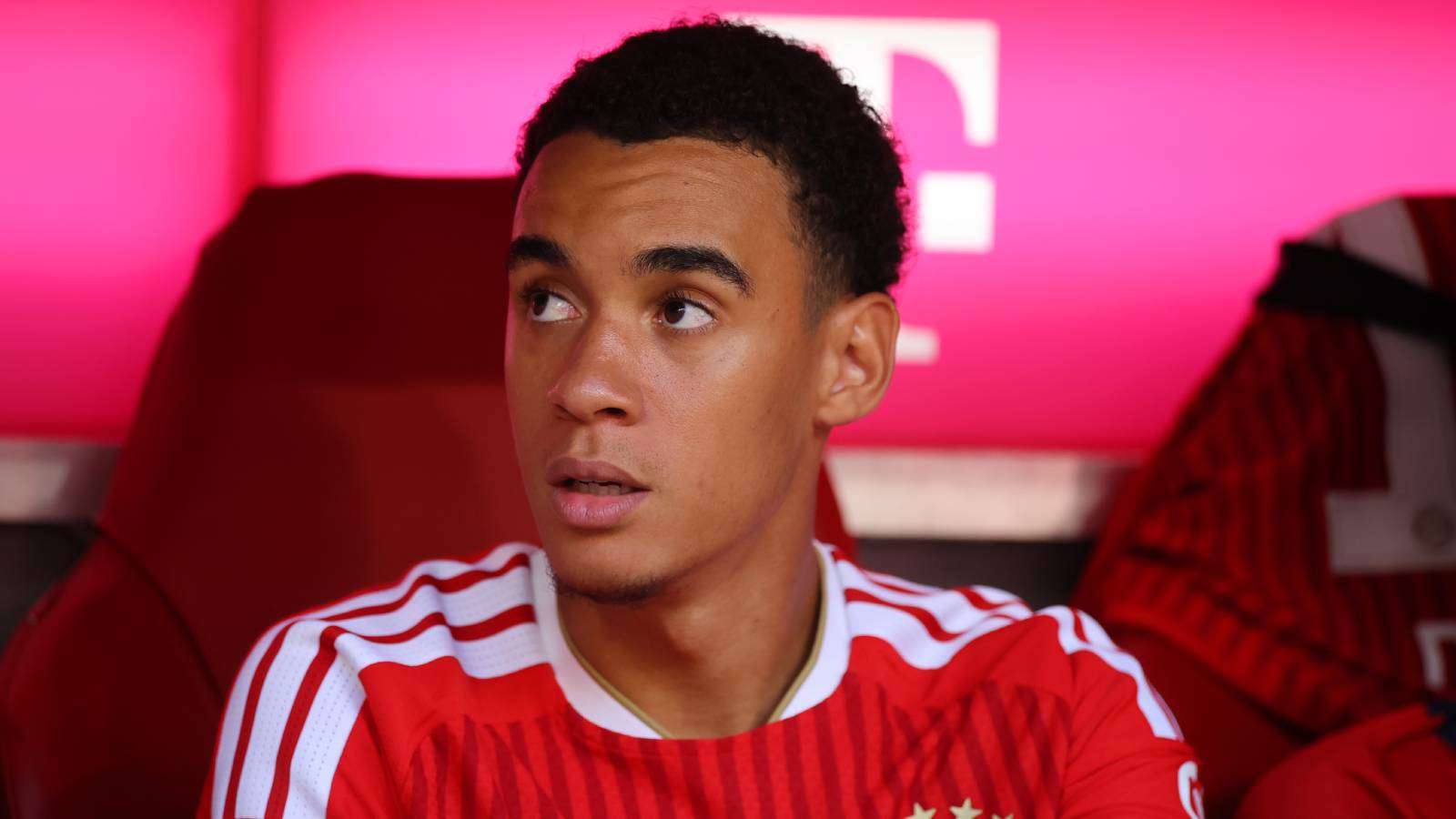
Bayern Munich honorary president Uli Hoeness has offered a troubling update on Jamal Musiala’s health, saying the Germany international is dealing with an illness that may be managed but cannot be permanently cured. His remarks have prompted fresh questions about the midfielder’s recovery, his prospects of returning to his previous level and the responsibilities Bayern face while he remains under contract.
Speaking to Bavarian broadcaster BR24, Hoeness stressed that Musiala’s circumstances are unlike those of coach Vincent Kompany. He described the situation as a dilemma for the club, explaining that medication can help control the condition but may not provide a definitive solution.
“We are facing a dilemma in this case,” Hoeness said. “He is suffering from an illness that cannot simply be cured, but it can be controlled to a certain extent with the use of medication.”
Uncertainty over Musiala’s return to top form
For Bayern supporters, the central concern is not only when Musiala might return to action, but whether he will be able to perform consistently at the level that made him one of Europe’s most exciting young footballers. Hoeness acknowledged that the question remains open, saying it is uncertain whether the midfielder will one day reproduce the form he showed before his health problems became a concern.
Musiala’s importance to Bayern is difficult to overstate. The Germany international has been valued for his close control, quick changes of direction and ability to create chances in crowded areas. He can operate between the lines, carry the ball through midfield and turn a promising move into a dangerous attack. When fit, those qualities give Bayern a different kind of attacking threat and make him a key figure in both domestic and European competition.
That is why any extended absence—or a return that requires careful management—could affect more than the club’s team selection. Bayern may need to adjust its tactical plans, distribute creative responsibility among other players and avoid placing too much pressure on Musiala before he is ready. His recovery will likely be assessed over time rather than judged by a single training session or appearance.
Contract and insurance questions add another layer
Hoeness also addressed the financial and contractual implications of Musiala’s condition. He said the illness was not covered by the insurance arrangement included in the player’s contract, raising a complicated issue for Bayern as it balances its sporting ambitions with its obligations to a player facing a serious health challenge.
To illustrate the sensitivity of the matter, Hoeness asked listeners to consider what might happen if a club argued that a player’s current contribution no longer matched the level expected under his contract. His comments did not amount to an announcement that Bayern intends to challenge Musiala’s deal. Instead, they highlighted the difficult questions that can arise when a player’s health affects his ability to work, while the underlying condition is not covered by the relevant insurance.
For a club, such circumstances can involve medical, legal and financial considerations. For the player, however, the priority is personal health and the chance to return safely. Any decisions about workload, treatment or playing time would need to be handled carefully, with clear communication between Musiala, Bayern’s medical staff and the club’s leadership.
What the situation could mean for Bayern’s season
Musiala’s availability may influence Bayern’s plans across several competitions. The club’s depth offers options, but replacing his particular mix of dribbling, movement and creativity is not straightforward. If he is unable to play regularly, Bayern could rely more heavily on other attacking midfielders, change the shape of its frontline or ask wide players to take on additional creative duties.
Any football prediction about Bayern’s prospects must therefore account for uncertainty around Musiala’s condition. A fully fit Musiala could strengthen the club’s title challenge and improve its ability to break down compact defences. If his appearances are limited, Bayern may still have the resources to compete, but its attacking balance and flexibility could be affected. The most sensible forecast is to avoid assuming either a quick return to peak form or a permanent decline until more reliable information is available.
Hoeness’s comments are significant because they make clear that the issue is not simply a routine injury with a predictable recovery timetable. At the same time, his remarks do not establish that Musiala will be unable to return to elite football. The distinction between managing a condition and overcoming it is important: medical treatment may allow a player to train and compete, but the response can vary, and long-term performance cannot be guaranteed in advance.
Hoeness Praises Harry Kane’s Experience in Germany
Alongside his comments about Musiala, Hoeness spoke positively about Harry Kane and the England striker’s life at Bayern. He described Kane as a good character and reflected on how the flow of players between England and Germany has changed over time.
Hoeness said Bayern previously lost many players to the Premier League, which was often regarded as the ultimate destination for footballers. In his view, the movement is now more balanced, with an increasing number of players arriving in Germany from England. Kane’s experience, he suggested, illustrates why a move to the Bundesliga can appeal to players and their families.
According to Hoeness, Kane has spoken warmly about the security his family feels in Munich, the quality of healthcare and the freedom to walk through the city without fear. Those everyday factors can matter greatly when a player is choosing a club, particularly when a transfer involves a partner and children as well as a demanding professional schedule.
More than footballing reasons behind a transfer
Kane’s comments also underline that a club’s appeal is shaped by more than trophies, wages and playing time. Family life, reliable healthcare, personal safety and the chance to settle in a welcoming city can all influence a player’s decision. Bayern’s ability to offer a stable environment may help the club compete for talent beyond the Bundesliga, even as English clubs remain powerful financial rivals.
For Bayern, the contrast between the two subjects raised by Hoeness is striking. Kane represents the benefits of a successful international recruitment strategy, while Musiala’s situation highlights the uncertainty and responsibility that can accompany a player’s health. The club’s immediate challenge is to support Musiala without rushing conclusions, while continuing to build a team capable of competing at the highest level.
For now, Bayern fans will be watching for credible updates on Musiala’s treatment and availability. Hoeness has made clear that the questions surrounding the midfielder are serious, but the next steps will depend on medical guidance and how Musiala responds. Until then, any prediction about his long-term future—or Bayern’s plans around him—remains uncertain.