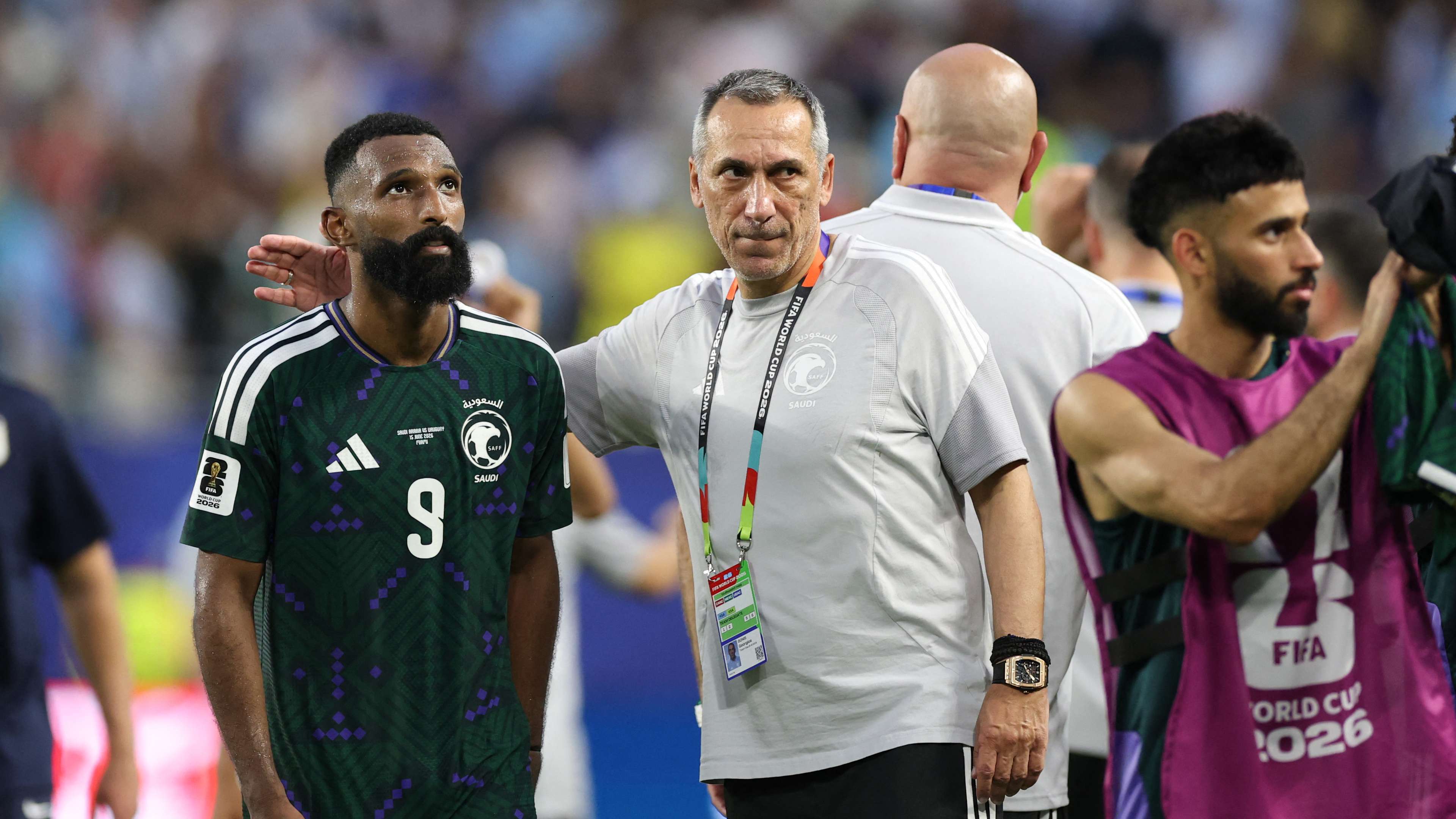

Saudi Arabia Face Two Major Tests in Doha During November International Break
Saudi Arabia’s national football team will use the November international break to measure its progress against two demanding opponents. The Green Falcons are set to meet South Korea on 13 November before taking on Uzbekistan four days later, with both friendlies scheduled to take place in Doha, Qatar.
The training camp begins on Sunday in the Qatari capital, giving the coaching staff an opportunity to work with the squad before two fixtures that offer different kinds of challenges. South Korea are a familiar rival with a long history of closely contested meetings, while Uzbekistan arrive with a record that shows Saudi Arabia has generally held the upper hand.
Both games will be played at Khalifa bin Hamad Stadium, the home ground of Qatari club Al-Sadd. The neutral setting provides a practical base for the camp and gives the Saudi squad the chance to prepare for competitive international football away from the usual pressures of a home fixture.
South Korea clash could be decided by fine margins
Saudi Arabia’s opening match, against South Korea on 13 November, is expected to be a stern examination. The historical record between the teams is remarkably balanced: across 18 previous meetings, Saudi Arabia have recorded four wins, South Korea have earned five, and the remaining nine matches have ended in draws, according to Saudi newspaper Asharq Al-Awsat.
That history points to a rivalry in which neither side has consistently dominated. The number of draws is especially notable, suggesting that these encounters have often been shaped by close tactical battles rather than one-sided performances. For supporters considering a football prediction, the record offers a reminder that this matchup can be difficult to call. Recent team form, squad availability and the approach taken by both coaches may prove more informative than past results alone.
South Korea’s reputation for pace, movement and disciplined organisation makes them a useful opponent for Saudi Arabia. The match should test the Green Falcons’ ability to stay compact without the ball, manage transitions and respond when pressed. In possession, Saudi Arabia will be looking to build attacks with patience while making effective use of the spaces that open up behind the opposition’s defensive line.
The fixture is scheduled for 22:30 on 13 November. Because it is a friendly, the result will matter less than the lessons the team can take from the performance. The coaching staff may use the game to assess combinations, give players valuable minutes and identify areas that need attention before future competitive matches.
Uzbekistan offer a different challenge
Saudi Arabia’s second assignment is against Uzbekistan on 17 November, with kick-off set for 23:30. The head-to-head record is more favourable to the Green Falcons: the teams have met 12 times, with Saudi Arabia winning seven, Uzbekistan claiming four victories and one match ending in a draw.
Although those figures give Saudi Arabia a statistical advantage, they do not guarantee an easy evening. Uzbekistan have developed into a competitive side and can pose problems through their organisation, intensity and ability to attack quickly. The match will therefore provide a different test from the South Korea fixture, requiring Saudi Arabia to adapt to a new opponent and potentially a different style of play.
For the Green Falcons, the second friendly will also offer a chance to put lessons from the opening match into practice. Coaches may look for improved coordination between the midfield and forward line, more consistency in defensive transitions and better decision-making in the final third. Those details can be just as valuable as the final score during a camp designed to strengthen the team.
Fans assessing a prediction for Saudi Arabia versus Uzbekistan should consider both the historical advantage and the demands of playing two matches within a short period. Squad rotation could influence the starting line-up, while the coaching staff may prioritise fitness and player evaluation over fielding the same team twice. That uncertainty is part of what makes international friendlies useful: they create room to experiment while still offering a meaningful test of preparation.
Doha adds another milestone to Saudi Arabia’s record
The November camp will also extend Saudi Arabia’s long association with Qatar as a venue for international football. By the end of the two-match programme, the national team will have played 60 matches on Qatari soil. The Green Falcons have already contested 58 games in the country, recording 26 wins, 10 draws and 22 defeats.
That record makes Qatar more than a convenient location for this camp. Its proximity to Saudi Arabia, established football facilities and experience hosting major sporting events have made it a regular setting for the national side. Holding both friendlies at the same stadium also gives the team a consistent environment, allowing players to focus on preparation rather than travel between venues.
The two November fixtures are therefore about more than adding to the schedule. They give Saudi Arabia a chance to test itself against two established Asian opponents, evaluate players in a demanding international setting and build cohesion during the break. South Korea’s closely matched history with the Green Falcons suggests a potentially tight opener, while the Uzbekistan game offers an opportunity to measure the team against a side Saudi Arabia have beaten more often.
For supporters, the key questions will be how the squad handles contrasting styles, whether new combinations can produce an attacking spark and how effectively the defence manages pressure. The results will shape the mood around the camp, but the performances—and the information they provide—could prove even more important as Saudi Arabia continues its preparations for the challenges ahead.