
Mbappé Penalty Decision Sparks Debate After Real Madrid’s Clash With Racing Santander
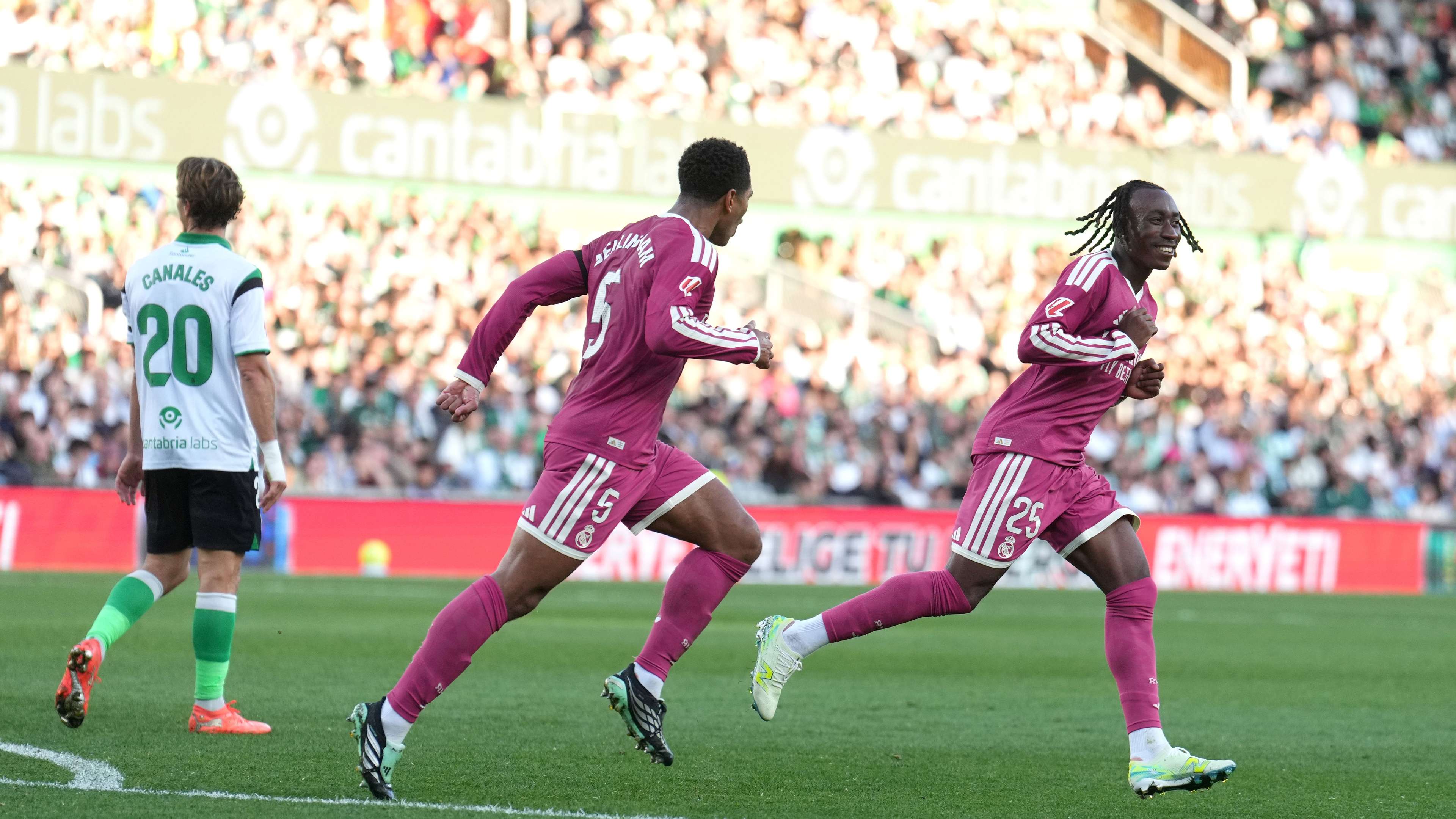
The penalty awarded to Kylian Mbappé during Real Madrid’s match against Racing Santander continues to fuel debate, with refereeing analysts questioning whether the contact inside the box was enough to justify a spot-kick. Although the decision helped Madrid take the lead, critics argue that the incident did not meet the threshold for a foul.
The controversy has also highlighted how difficult it can be to reverse a referee’s decision once play has stopped. In this case, the official judged that contact had occurred, blew his whistle and pointed to the penalty spot. Mbappé then converted the kick, turning the disputed call into a decisive moment in the game.
Refereeing Expert Questions the Spot-Kick
Spanish radio network Cadena COPE aired the assessment of refereeing analyst Pedro Martín, who openly disagreed with the decision made by Munuera Montero. Martín’s view was that the contact between Mbappé and the Racing defender was too slight to warrant a penalty.
He acknowledged why the referee might have been influenced by the circumstances of the challenge, including the identity of the attacker and the contact he appeared to receive. But, in Martín’s opinion, those factors did not make the incident a clear foul. The forward went down after a light touch, and the analyst felt that the defender’s actions did not justify awarding Real Madrid a penalty.
Martín also suggested that a high-profile attacker may anticipate contact when entering the box. “If a player like him jumps, he is looking for trouble,” he said, arguing that the referee should assess the actual force and nature of the challenge rather than treat every touch as a foul.
Why the Decision Was Difficult to Overturn
Despite his criticism, Martín recognised that the referee’s whistle had an important effect on how the incident could be handled. Once Munuera Montero had seen contact and stopped play, the decision became difficult to reverse unless there was clear evidence that the original call was plainly incorrect.
“The referee saw slight contact and blew the whistle. That’s it, he got it wrong,” Martín said. His comments capture the tension at the centre of many penalty controversies: a referee may make an error in judging the seriousness of contact, yet the available review process may not always provide a straightforward route to overturning the call.
Penalty decisions often depend on more than whether two players made contact. Officials must consider the speed of the challenge, the defender’s movement, the attacker’s response and whether the contact actually caused the fall. A slight touch can be a foul if it disrupts an opponent unfairly, but contact alone does not automatically mean a penalty should be awarded.
How the Call Changed the Match Narrative
Mbappé’s successful spot-kick gave Real Madrid the advantage and ensured the incident would remain a major talking point after the final whistle. Penalties naturally attract scrutiny because they can have a direct impact on the score, particularly when awarded in a closely contested match. In this case, the debate has focused not only on the referee’s interpretation but also on how much influence an attacker’s reputation and movement may have in shaping a decision.
For Racing Santander, the call was a frustrating turning point. Defenders are expected to challenge attackers in the penalty area, but they must do so without making careless contact or impeding an opponent. The difficulty for officials is distinguishing between a genuine foul and the kind of incidental contact that is common in a crowded box.
For Real Madrid, the goal was valuable regardless of the controversy surrounding its origin. Mbappé’s composure from the spot underlined his importance as a reliable penalty taker, while the incident added another chapter to the intense attention that follows Madrid’s biggest matches.
VAR and the Challenge of Consistency
The debate also feeds into wider questions about consistency in football officiating. Supporters and analysts often expect similar incidents to receive similar outcomes, but penalty calls can look different depending on the angle, speed and context of a challenge. Even with video technology, deciding whether contact is sufficient to constitute a foul remains a matter of interpretation.
VAR is generally designed to intervene when there has been a clear and obvious error, not to re-referee every decision that divides opinion. That distinction can frustrate fans who believe a penalty was wrongly awarded, especially when slow-motion footage makes minor contact appear more dramatic. At the same time, excessive intervention could disrupt matches and undermine the authority of the on-field official.
The Mbappé incident illustrates that balance. Martín believed the referee’s judgement was wrong, but he also accepted that the whistle had already shaped the sequence. The disagreement is therefore not simply about whether contact occurred; it is about whether that contact was significant enough to justify a penalty and whether the evidence was strong enough to change the decision.
What to Watch in Real Madrid’s Next Matches
Real Madrid’s schedule leaves little time for the controversy to dominate the team’s attention. The club is due to face AEK in the Champions League on 5 November 2026 before returning to LaLiga action against Mallorca on 7 November. Those fixtures will shift the focus back to performances, results and the club’s broader campaign.
Still, the penalty debate is likely to continue among supporters and football commentators. For fans assessing the incident, the key question is whether the defender’s touch genuinely brought Mbappé down or whether the forward’s reaction turned minimal contact into a spot-kick. There is no consensus yet, and Martín’s criticism has added weight to the view that the decision was too generous.
Ultimately, the episode is a reminder of how one whistle can reshape a match and dominate the post-game conversation. The referee awarded the penalty, Mbappé scored, and Real Madrid benefited. But the continuing criticism shows that the decision remains far from universally accepted. As the season progresses, consistency in how officials judge contact in the box will remain central to discussions about football, refereeing and the role of VAR.
Prediction: Attention Turns Back to the Pitch
Real Madrid will be keen to put the argument behind them and carry their momentum into the upcoming fixtures. The penalty controversy may linger in the headlines, but the team’s response on the pitch will ultimately shape the next phase of its campaign. For Racing Santander and its supporters, the incident is likely to remain a reminder of a decision they believe should have gone the other way.