
Al-Ahli Under Pressure as Khalid Al-Shunaif Questions Marino Pusic’s Decisions
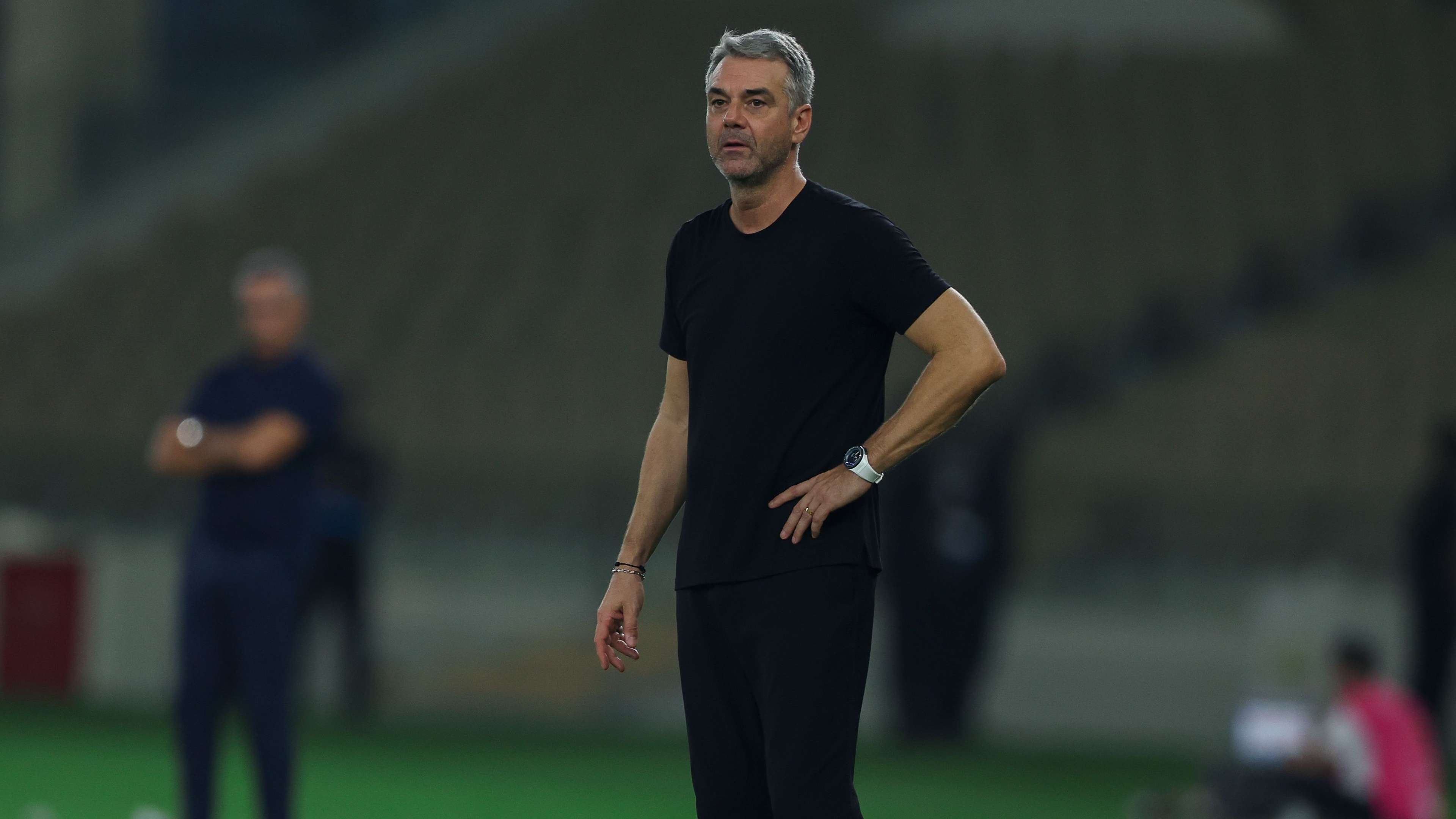
Al-Ahli’s difficult run has sparked a fresh wave of criticism, with Saudi media figure Khalid Al-Shunaif placing the team’s decline squarely at the door of head coach Marino Pusic. His sharp assessment comes at a tense point in the season, as disappointing results and questions over team selection have put the Dutchman’s future under increasing scrutiny.
Al-Ahli’s recent form has offered little reassurance to supporters. A heavy 6-1 defeat to Al-Shabab was followed by a goalless draw against Qatar’s Al-Sadd, leaving the club searching for answers and prompting renewed calls for change. With expectations high and the squad built to compete, fans are asking whether Pusic can restore confidence and deliver a more consistent level of football.
Al-Shunaif questions the coach’s approach
Speaking on the television programme Dawrina Ghair, Al-Shunaif accused Pusic of damaging Al-Ahli and challenged several of the coach’s decisions ahead of the clash with Al-Shabab. His criticism focused not only on the result but also on the players available to the manager and the reasoning behind his selections.
Al-Shunaif claimed that goalkeeper Edouard Mendy and Brazilian attacker Galeno had recovered from injury before the Al-Shabab match, yet neither was included in the starting line-up. He argued that their absence deserved an explanation, particularly after both players had impressed in Al-Ahli’s meeting with Al-Sadd.
That claim has added another layer to the debate around Pusic’s management. Decisions about returning players can involve fitness concerns, match preparation and the risk of aggravating an injury, so their omission does not by itself establish that the coach made an error. But when results are poor, a lack of clarity around selection can quickly become a source of frustration for supporters.
Bondarenko selection draws particularly strong criticism
Al-Shunaif was even more direct when discussing forward Artem Bondarenko and Pusic’s reliance on him. The pundit said he could not accept a coach who continued to select the player, adding that he hoped Pusic would leave. The remark reflects the intensity of the criticism now surrounding the manager, although it remains Al-Shunaif’s personal view rather than an official position from the club.
For Al-Ahli, the key question is whether the team’s problems stem from individual selections, a broader tactical issue or a combination of both. A run of weak results can expose weaknesses in pressing, defensive organisation and attacking movement, while frequent changes to the line-up may make it harder for players to develop understanding. The challenge for Pusic is to identify the causes quickly and show that his approach can produce a response.
Results have increased pressure on Al-Ahli
The 6-1 loss to Al-Shabab was especially damaging because of the margin and the way it intensified doubts about Al-Ahli’s defensive structure. A subsequent 0-0 draw with Al-Sadd offered a cleaner sheet but little attacking reward. Together, the matches have left the club with contrasting problems: preventing opponents from creating clear chances while also finding more purpose in possession.
Al-Ahli’s supporters will be looking for signs of improvement beyond the final score. Better communication between the defence and midfield, more reliable protection in transition and sharper movement in the final third would all help restore confidence. Just as importantly, the team needs to show resilience after setbacks rather than allowing one poor spell to dictate the next performance.
Coaches under pressure often face a difficult balance. Sticking with a preferred system can provide continuity, but continuing with the same choices after a heavy defeat risks appearing inflexible. Making wholesale changes may create a short-term reaction, yet it can also disrupt combinations and leave players uncertain about their roles. Pusic’s next decisions will therefore be closely watched as much for their logic as for their immediate results.
What could happen next?
There has been no confirmed announcement in the source report that Pusic’s position has changed. For now, the discussion centres on whether the coach can convince Al-Ahli’s management that he remains the right person to lead the team. The club’s response may depend on the next performances, the players’ reaction and whether the coaching staff can explain their selection choices clearly.
A change of manager could become a possibility if results continue to slide, but replacing a coach is not automatically a solution. Any decision would need to account for the squad’s needs, the availability of suitable candidates and the time required for a new manager to implement ideas. Al-Ahli’s leadership must weigh the potential benefit of a fresh voice against the disruption that another transition could bring.
The upcoming fixtures will therefore carry significance beyond the points on offer. A convincing display could ease some of the pressure and give Pusic room to rebuild trust. Another poor performance, particularly if it repeats the defensive and attacking problems already seen, would strengthen the argument for a change in direction.
Al-Ahli prediction: response matters more than promises
Any prediction about Al-Ahli’s immediate future remains uncertain. The squad has players capable of producing a stronger level of football, but recent results suggest that talent alone is not enough. The team must translate individual quality into a more organised collective performance, while Pusic needs to demonstrate that his decisions are helping rather than hindering that process.
Al-Shunaif’s comments have made an already uncomfortable situation more public, but the decisive evidence will come on the pitch. If Al-Ahli can improve its defensive discipline, make better use of its attacking options and respond with greater intensity, the criticism may begin to soften. If the slide continues, pressure on Pusic and the club’s decision-makers is likely to grow.
For now, Al-Ahli’s priority is clear: regain stability, restore belief and deliver results. Whether Pusic can lead that recovery is the question hanging over the club as the scrutiny intensifies.