
Andorra Goalkeeper Owono Receives Support After Fatal Collision With Jesús de Miguel
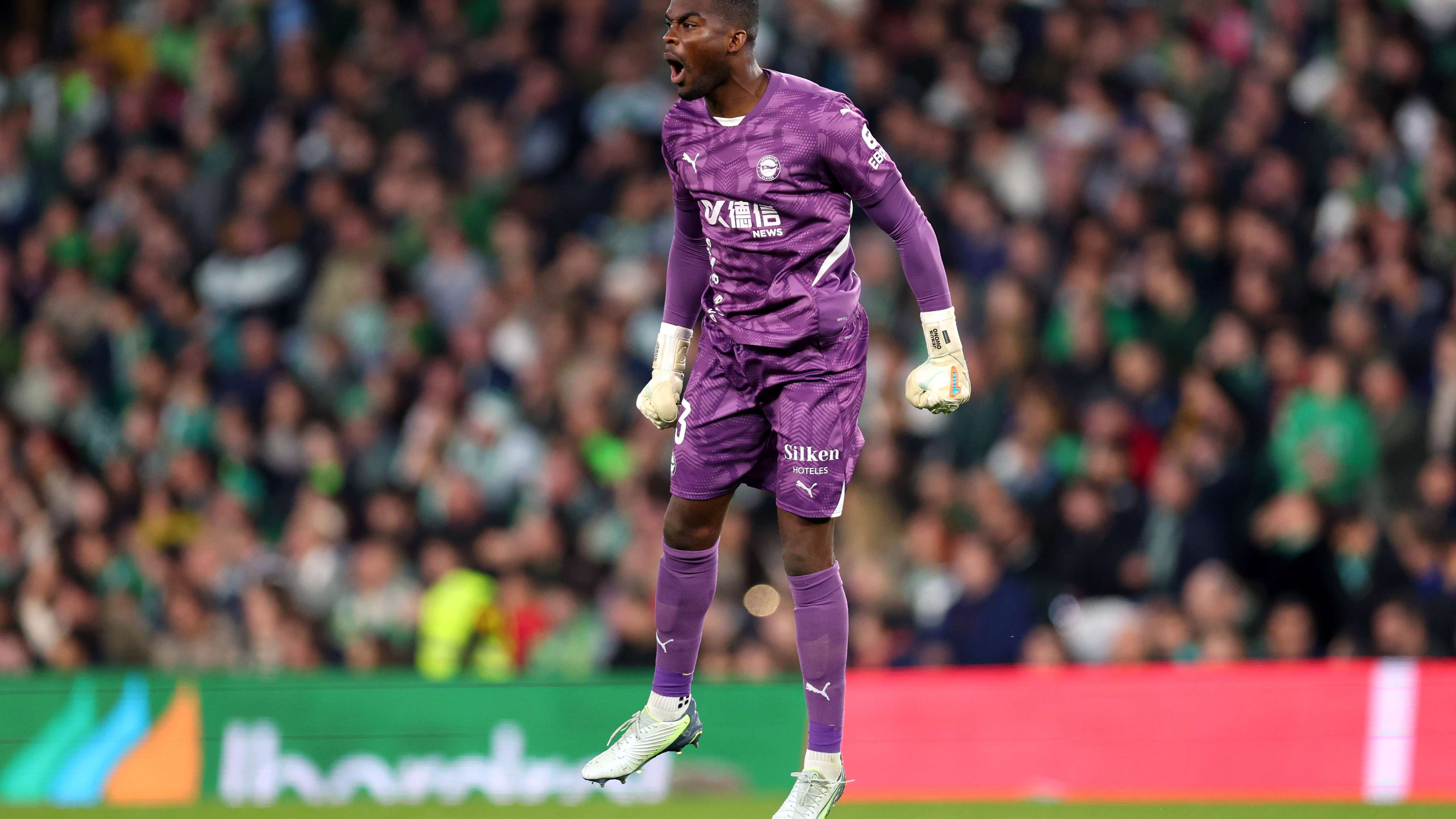
The Spanish football community is mourning the death of Tenerife striker Jesús de Miguel, who died aged 30 after suffering an accidental chest injury during a match against Andorra. The tragedy has also left Andorra goalkeeper Jesús Owono deeply distressed, with reports indicating that he is struggling to cope with the emotional impact of the collision.
De Miguel died on Tuesday morning, a day after the incident occurred during the closing minutes of Monday evening’s game. The collision happened as the Tenerife forward moved to clear the ball and came into contact with Owono. The encounter was described as accidental. Despite the rapid response from medical staff, De Miguel later died from what was reported as “accidental chest trauma.”
A match overshadowed by tragedy
The referee stopped the match after the collision, as players and officials recognised the seriousness of the situation. Emergency personnel attended to De Miguel on the pitch, while both teams faced the shock of an event that would transform a football fixture into a moment of profound grief.
Owono, 25, was sent off following the incident. He initially began walking away from the field but then returned to check on De Miguel as medical staff worked to help the striker. The details have prompted difficult discussions among supporters about the emotional strain players can face when a routine challenge is followed by an unforeseen and devastating outcome.
There is no suggestion that the contact was deliberate. In football, players make split-second decisions while competing for the ball, and collisions can happen even when everyone involved is focused on playing within the rules. That reality offers no easy comfort after a death, but it is important to distinguish an accident from intentional harm as the clubs and families grieve.
Reports describe Owono’s emotional distress
According to a report by The Athletic, which cited a source close to one of Owono’s teammates, the goalkeeper has withdrawn from public life and is finding it extremely difficult to process what happened. The source described him as “broken” and said he was at home and cut off from the outside world.
The report underscores that the effects of a fatal on-field incident may continue long after the final whistle. Players can face grief, shock, guilt and intrusive memories, even when a collision was accidental and they had no control over the eventual outcome. Access to professional care can therefore be an important part of recovery—not only for those directly involved, but also for teammates and staff who witnessed the emergency.
The Spanish Footballers’ Association (AFE) has pledged psychological support for Owono and is arranging specialist sessions to help him navigate the aftermath. The commitment reflects a growing recognition across professional sport that mental health support should be available after traumatic events, rather than treated as an optional or private matter.
Owono pays tribute to De Miguel
In a statement released through his club after De Miguel’s death, Owono described the period as the hardest days of his life. He said he was struggling to find words and was having difficulty taking in what had happened.
“I feel immense pain at the loss of Jesús,” Owono said, adding that his thoughts were with the striker, his family and everyone who loved him. He also acknowledged that there would be many difficult matters to face in the days ahead, but said his immediate focus was on De Miguel and the grief surrounding the tragedy. He ended his message with a farewell: “Rest in peace, Jesús.”
The statement conveyed both the scale of Owono’s sorrow and the human dimension of an incident that has attracted attention across Spanish football. For the goalkeeper, the aftermath is not simply a sporting controversy or a disciplinary decision. It is a personal trauma connected to the death of another player, and one that may require sustained support and time.
Andorra teammates share their grief
Andorra midfielder Lautaro Spatz said the squad had been left “completely shattered” by the events. In a tribute, he reflected on how quickly a football match can become something far more serious, writing that there are moments when the sport loses its meaning and reminds everyone of life’s fragility.
Spatz’s words capture the experience of teammates who were present during the emergency. Players may be accustomed to injury stoppages, intense competition and the physical risks of the game, but a fatal incident is beyond the ordinary pressures of professional football. The grief can affect an entire dressing room, as well as coaches, medical teams, match officials and supporters.
Football’s response and the need for care
As tributes continue, the priority for both clubs is to support those closest to De Miguel and provide care for the people affected by the incident. That includes the striker’s family and friends, his Tenerife teammates, the Andorra squad and the medical staff who responded on the pitch.
There is no meaningful football prediction or league result that can compete with the significance of a life lost. Match reports and future fixtures may eventually return to the headlines, but for those involved, the memory of Monday’s game is likely to remain shaped by the tragedy. Clubs and governing bodies can help by allowing people space to grieve, offering confidential mental health services and avoiding speculation about the collision.
De Miguel’s death has left Spanish football in mourning, while Owono faces a painful and uncertain period of recovery. The tragedy is a stark reminder that behind every result are people whose lives extend far beyond the pitch. As the football community remembers De Miguel, the response must also include compassion for everyone carrying the emotional weight of what happened.