
**Moroccan Footballer Hakim Ziyech Engages in War of Words with Israeli Minister**
**Morocco’s Justice and Development Party Stands by Ziyech**
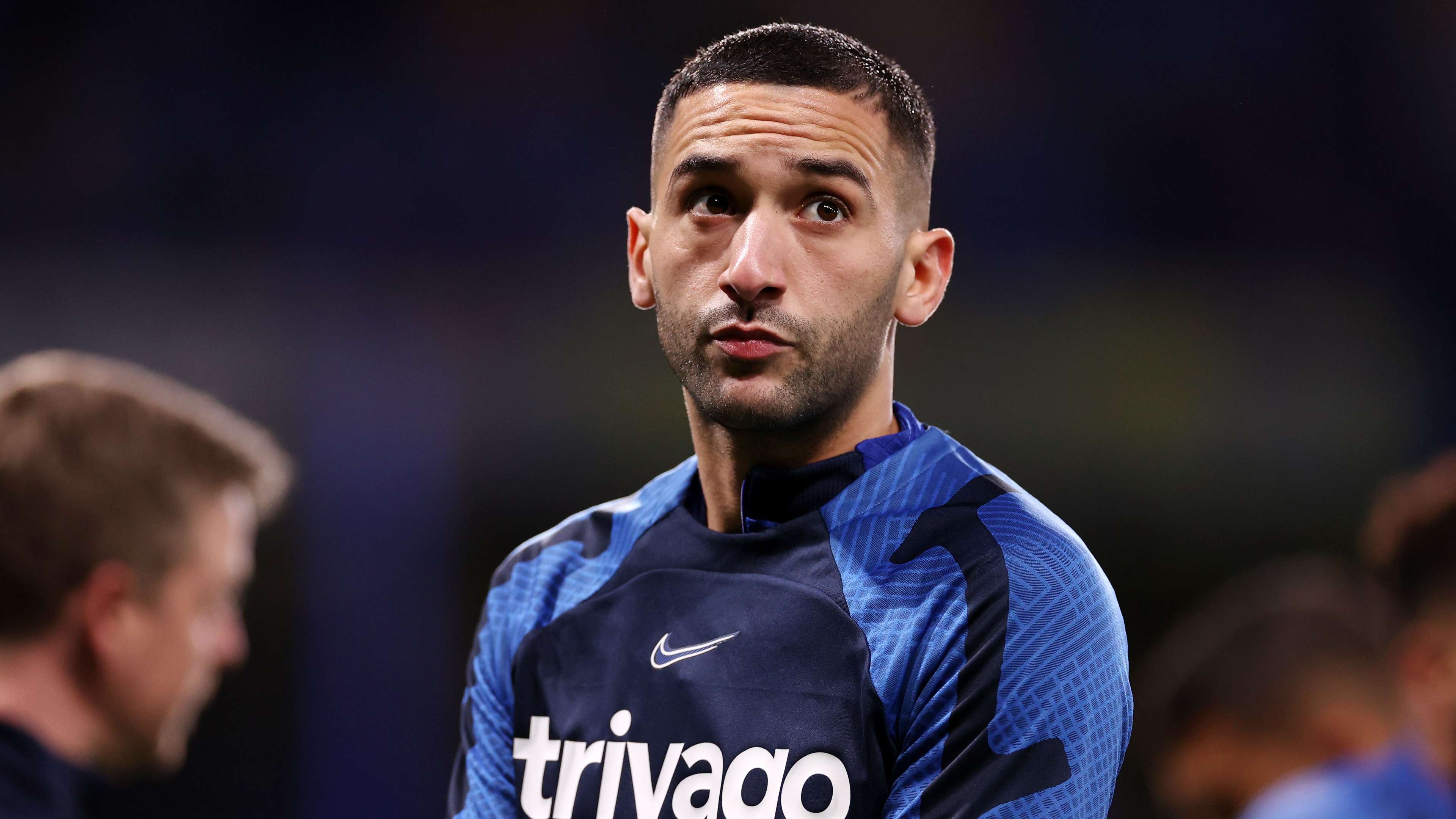
In a recent social media skirmish that has captured the attention of football fans and political observers alike, Moroccan footballer Hakim Ziyech, who currently plays for Wydad Casablanca, found himself embroiled in a heated exchange with Israeli Minister of National Security, Itamar Ben-Gvir. The clash stemmed from Ziyech’s vocal criticism of Israel’s policies towards Palestinian prisoners, sparking a back-and-forth confrontation that has raised eyebrows across the globe.
**Origins of the Conflict**
The tension between Ziyech and Ben-Gvir ignited when the footballer shared a photo of the Israeli minister on his official Instagram account, coinciding with the Knesset’s discussion on legislation regarding the imposition of the death penalty. In his caption, Ziyech questioned the ethical and legal justifications behind such laws, prompting a swift and retaliatory response from Ben-Gvir.
**Verbal Sparring**
Ben-Gvir wasted no time in firing back at Ziyech, labeling him as an “anti-Semitic player” who had no authority to lecture Israel on morality. In a bold and somewhat ominous declaration, Ben-Gvir warned that Israel would no longer tread lightly with its adversaries and vowed to implement strict measures against militants.
**Controversial Legislation**
The root of the dispute can be traced back to the Knesset’s recent approval of a bill authorizing the use of the death penalty for individuals involved in armed attacks. The legislation, supported by a majority of 62 MPs, has elicited widespread criticism from international and Palestinian human rights organizations concerned about the well-being of detainees in Israeli prisons.
**Global Reactions**
The uproar surrounding the legislation has prompted reactions from various quarters, with political parties and advocacy groups weighing in on the contentious issue. Notably, Morocco’s Justice and Development Party issued a statement in solidarity with Ziyech, lauding his outspoken stance as “humane and courageous.” The party emphasized that Ziyech’s views resonate with the sentiments of the Moroccan public and align with the Kingdom’s longstanding support for the Palestinian cause.
As this verbal duel continues to unfold on the global stage, the clash between Ziyech and Ben-Gvir serves as a stark reminder of the complex intersection between sports, politics, and human rights. While the two figures engage in a war of words, the implications of their actions reverberate far beyond the realm of social media, highlighting the enduring relevance of football in shaping narratives and sparking critical conversations.
**The Power of Athlete Activism**
Hakim Ziyech’s outspoken stance on the Israeli-Palestinian conflict underscores the growing trend of athlete activism in the world of sports. Athletes like Ziyech are increasingly leveraging their platforms to raise awareness about social and political issues, using their influence to advocate for change. The visibility and reach of top athletes make them powerful voices for marginalized communities and causes, amplifying important messages to a global audience.
**The Role of Social Media in Activism**
Social media has played a pivotal role in facilitating conversations around social justice and human rights issues. Ziyech’s use of Instagram to express his views and challenge the actions of political figures demonstrates the potential of social media as a tool for activism. The immediacy and accessibility of platforms like Instagram enable athletes to engage with their fans, supporters, and detractors, sparking dialogue and debate on critical issues.
**International Solidarity**
The support shown by Morocco’s Justice and Development Party for Ziyech highlights the interconnected nature of global politics and sports. Solidarity across borders and political divides underscores the significance of shared values and principles in fostering unity and collaboration. Ziyech’s advocacy for Palestinian prisoners resonates not only with Moroccans but also with individuals and groups around the world who stand in solidarity with oppressed communities.
**Navigating Controversy**
As Ziyech and Ben-Gvir continue their verbal sparring, it is essential to recognize the nuances and complexities of the Israeli-Palestinian conflict. Navigating such contentious issues requires careful consideration of historical contexts, political sensitivities, and human rights concerns. Despite the heated rhetoric surrounding the conflict, finding common ground and promoting dialogue remains crucial in working towards peaceful resolutions and mutual understanding.
**Sport as a Catalyst for Change**
The clash between Ziyech and Ben-Gvir underscores the profound impact that sports can have in driving social change and fostering dialogue on challenging issues. Athletes have a unique ability to transcend boundaries, spark conversations, and inspire action. By using their platforms to advocate for justice and equality, athletes like Ziyech contribute to a broader conversation about the role of sports in promoting human rights and social justice.
In conclusion, the war of words between Hakim Ziyech and Itamar Ben-Gvir sheds light on the intricate interplay between sports, politics, and activism. As the global community continues to grapple with complex issues like the Israeli-Palestinian conflict, athletes like Ziyech play a vital role in elevating important conversations and advocating for positive change. By standing up for what they believe in and using their voices to amplify marginalized perspectives, athletes can be catalysts for progress and social transformation.