
Hossam Hassan’s Egypt Exit: Did the Mohamed Salah Dispute Play a Role?
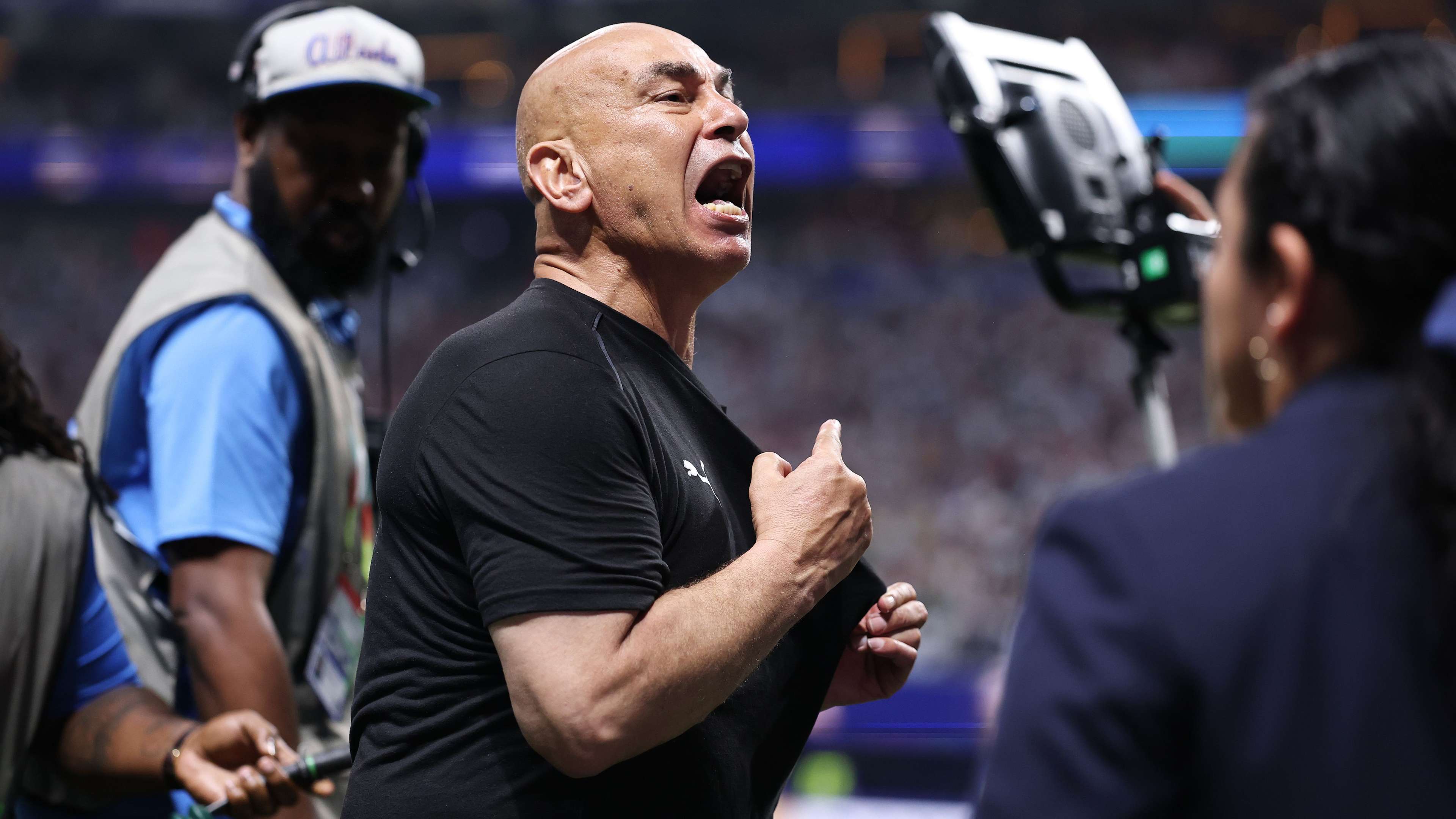
Egypt’s decision to part ways with head coach Hossam Hassan has prompted debate about what ultimately brought his tenure to an end. Algerian sports commentator Hafid Derradji believes the dismissal followed a build-up of technical, media and personal problems—and suggests the increasingly public tension between Hassan and Mohamed Salah may have contributed to the outcome.
In a post on his official X account, Derradji wrote that “Hossam Hassan is the one who brought Hossam Hassan down.” The striking remark framed the coach’s departure not as the result of a single incident, but as the consequence of decisions and conflicts that accumulated over time. Derradji argued that Hassan paid the price for several crises, including his clash with Egypt’s most prominent player.
Why Hassan’s relationship with Salah became a talking point
The relationship between a national-team coach and a star player can attract intense attention, particularly when that player is also the captain and one of the country’s most recognisable football figures. In Egypt, Salah’s standing means disagreements involving the Liverpool forward are rarely treated as routine dressing-room matters. They can quickly become a wider public discussion about leadership, team unity and the direction of the national side.
Derradji’s criticism focused on how the disagreement was handled. He suggested that the dispute did not need to develop into an open confrontation, warning that a clash between a coach and his leading player can cast a shadow over the squad. Even when differences are rooted in football decisions, public tension can shift attention away from training, tactics and results—and place additional pressure on everyone involved.
However, Derradji’s comments are an interpretation of the circumstances surrounding Hassan’s exit, not confirmation that the Salah dispute was the decisive cause. The Egyptian Football Association (EFA) did not identify one specific incident as the reason for its decision. Instead, it referred to recent events and their effect on the national team’s image.
EFA confirms a change in leadership
The EFA announced on Saturday evening that it had ended the assignments of Hassan and his technical and administrative staff. According to the association, the decision followed a series of board meetings and a review of developments around the team. It said those events had negatively affected the positive image it wanted the national side to project.
The wording points to broader concerns than a disagreement between two individuals. A national team’s public image is shaped by more than match results: communication, internal discipline and the way players and staff manage disagreements can all affect how supporters view the programme. The EFA’s statement suggests that its decision came after considering the overall situation, although it did not provide a detailed account of the incidents it reviewed.
That distinction matters. Without a full explanation from the association, it is difficult to separate confirmed facts from commentary and speculation. Derradji’s assessment gives one perspective on the pressures around the team, while the EFA’s announcement offers only a general outline of its reasoning.
Ali Maher takes charge as Egypt considers its next steps
Following Hassan’s departure, the EFA appointed Ali Maher, the current technical director of Ceramica Cleopatra, to lead the national team for the coming period. The association also asked him to present a plan for assembling his backroom staff, indicating that the transition will involve more than naming a new head coach.
Maher’s immediate challenge will be to establish a clear working structure and restore focus to football matters. That means assessing the squad, communicating expectations and building an environment in which players and staff can concentrate on preparation. The way he manages relationships within the group may be just as important as the tactical choices he makes on the pitch.
For Egypt, the appointment also creates an opportunity to reset. A new coach can bring fresh ideas, but a change in leadership does not automatically resolve underlying issues. Stability depends on clear communication between the EFA, coaching staff and players, as well as a shared understanding of the team’s priorities.
What the controversy means for Egypt’s football outlook
Hassan’s exit arrives at a moment when attention is likely to turn quickly to Egypt’s next performances and the team’s longer-term direction. Supporters will want to know whether Maher is a temporary appointment or part of a wider transition, how the squad will be organised and whether the atmosphere around the national team can improve.
Any football prediction about Egypt’s immediate prospects should therefore be treated cautiously. Coaching changes can produce a short-term lift, but results depend on preparation, player availability, tactical clarity and the ability to keep off-field distractions from dominating the conversation. The team’s response in its next matches will provide a more reliable indication of whether the change has helped restore momentum.
Salah’s role will remain central to that discussion. As one of Egypt’s most influential players, he can shape the team’s attacking threat and its public profile. But a successful national-team project requires more than relying on one star: it also depends on a balanced squad, a coherent game plan and a constructive relationship between the dressing room and coaching staff.
A departure shaped by more than one headline
Derradji’s comments have sharpened the focus on Hassan’s clash with Salah, but the available information does not establish that the dispute alone caused the coach’s dismissal. The EFA cited a broader review of recent events, while the commentator described a combination of technical, media and personal pressures.
The clearest conclusion is that Hassan’s tenure ended amid growing scrutiny and questions about the atmosphere surrounding the Pharaohs. Maher now inherits the task of bringing attention back to the pitch. Whether that reset succeeds will depend on how effectively Egypt turns a turbulent period into a more stable football programme—and whether its leading figures can work together without disagreements becoming a public battle.