
Norway’s Rising Star: Erling Haaland
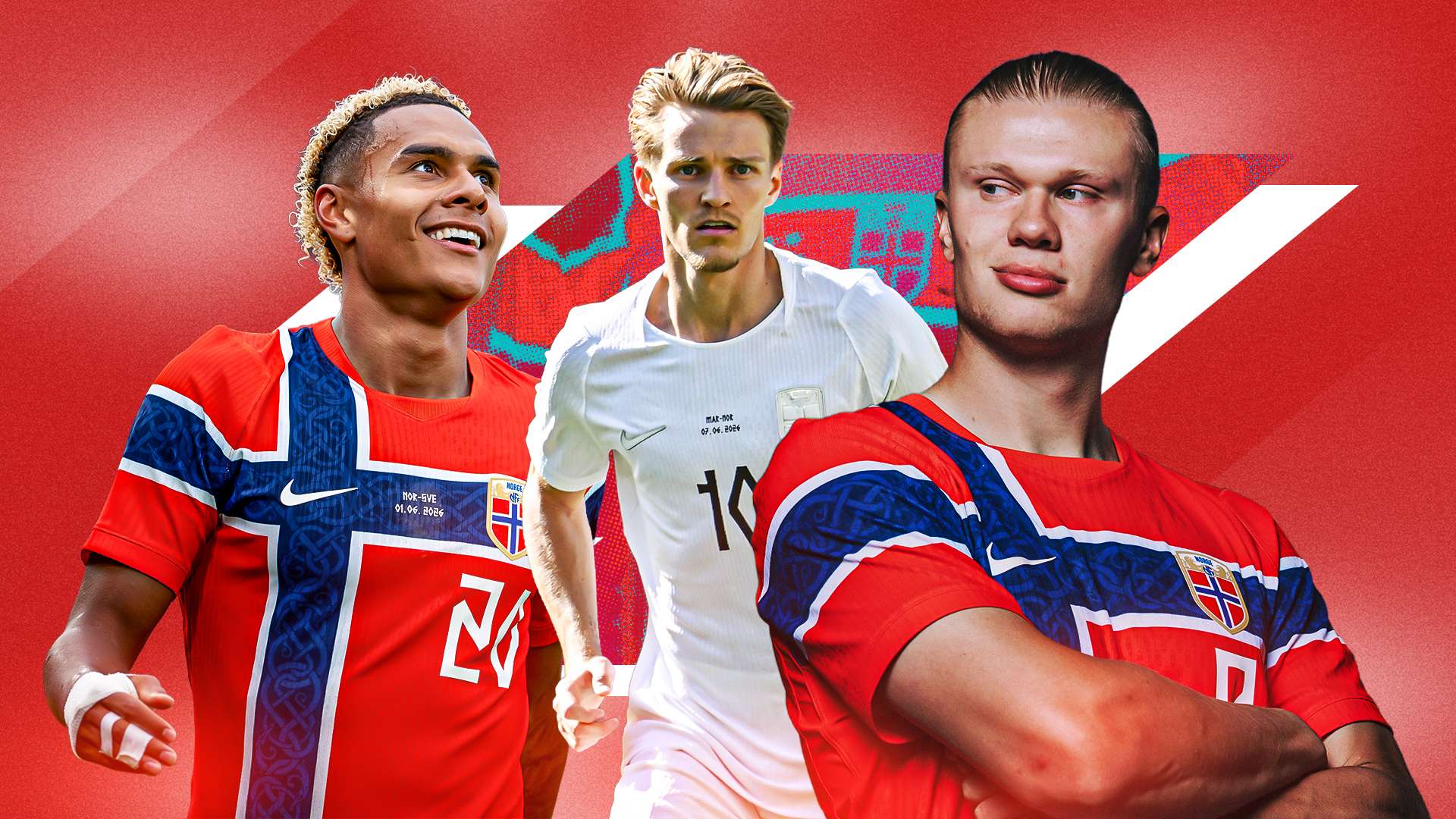
As Norway makes its triumphant return to football’s biggest stage after a 28-year absence, all eyes are on the young phenom, Erling Haaland. The Manchester City striker has been carrying the hopes of a nation on his shoulders, but he’s not alone in propelling Norway to success at the World Cup. The Scandinavian team has shown remarkable teamwork and skill, proving they are more than just a one-man show.
Haaland’s Stellar Performance
Haaland has undoubtedly been Norway’s standout player, living up to his reputation as one of the best strikers in the world. The 25-year-old’s remarkable record in qualifying speaks for itself, with an incredible 16 goals in just eight matches. His goal-scoring prowess has continued in the World Cup, with impressive performances against tough opponents like Iraq, Senegal, Ivory Coast, and even Brazil.
His ability to find the back of the net consistently has been crucial for Norway’s success in reaching the quarter-finals, marking their best-ever performance at a World Cup. The upcoming showdown with England promises to be an exciting clash of titans, with Haaland at the forefront of Norway’s ambitions.
Team Effort
While Haaland has been the shining star for Norway, credit must also be given to the talented supporting cast around him. Football is a team sport, and Haaland has been fortunate to have a strong team backing him up in North America. The squad’s cohesive play and collective effort have been instrumental in their journey to the quarter-finals.
Players like Martin Odegaard, Alexander Sorloth, and Sander Berge have all made significant contributions to Norway’s success, showcasing their skills and determination on the world stage. The team’s ability to work together and complement each other’s strengths has been key to their impressive run in the tournament.
The Road Ahead
As Norway prepares to face off against England in the quarter-finals, the team’s confidence is sky-high. Haaland’s exceptional form, combined with the team’s unity and talent, has put them in a strong position to compete against some of the world’s best teams. The match against England promises to be a thrilling encounter, with both sides eager to secure a spot in the semi-finals.
Norway’s resurgence in international football has been a story of determination, skill, and teamwork. Haaland may be the face of this remarkable journey, but it is the collective effort of the entire team that has brought Norway to this point. As fans eagerly anticipate the upcoming clash with England, one thing is certain – Norway is back on the world stage, and they are here to make a statement.
Haaland’s Impact on Norwegian Football
Erling Haaland’s rise to stardom has not only captured the attention of football fans worldwide but has also sparked a resurgence in Norwegian football. His success on the international stage has inspired a new generation of young players in Norway, who now see Haaland as a role model and aspire to follow in his footsteps. The Manchester City striker’s meteoric rise from a promising talent to a global superstar has put Norwegian football back on the map.
Haaland’s success has also brought increased visibility to the Norwegian domestic league, Eliteserien, where he began his professional career with Molde FK. The league has seen a surge in interest from scouts and fans alike, as they search for the next potential Norwegian star to emerge from its ranks. Haaland’s success serves as a testament to the quality of talent that exists in Norwegian football and has paved the way for other young players to showcase their skills on a global stage.
The Impact of Data Analysis in Football Prediction
With the advancement of technology and data analytics in football, the art of prediction has evolved significantly. Football prediction models now rely on a vast amount of data, including player statistics, team performance metrics, and historical trends, to forecast match outcomes with greater accuracy. These predictive models have become invaluable tools for fans, pundits, and bettors alike, providing insights into potential results and helping to inform strategic decisions.
Data analysis has also revolutionized how football teams approach their tactics and strategies. Coaches and analysts now use advanced statistical models to assess player performance, identify strengths and weaknesses, and optimize team formations for maximum efficiency. By leveraging data-driven insights, teams can gain a competitive edge on the field and make informed decisions that can ultimately impact the outcome of matches.
The Role of Psychology in Football Performance
While physical skills and technical abilities are crucial in football, the mental aspect of the game plays a significant role in determining player performance. Psychologists now work closely with football teams to help players develop mental resilience, focus, and confidence, which are essential for success on the field. Mental training techniques such as visualization, mindfulness, and goal setting are increasingly being incorporated into players’ training regimens to enhance their overall performance.
The psychological aspect of football extends beyond individual players to team dynamics and cohesion. Building a strong team culture, fostering trust among teammates, and cultivating a positive mindset are all essential components of a successful football team. Teams that prioritize mental well-being and psychological preparation often have a competitive advantage, as they are better equipped to handle pressure situations and overcome challenges on the field.
Conclusion
As Norway’s journey in the World Cup continues, the team’s success serves as a testament to the power of teamwork, talent, and determination. Erling Haaland’s remarkable performance has not only propelled Norway to new heights but has also inspired a nation and brought renewed attention to Norwegian football. With the advancements in data analysis and psychology shaping the sport, the future of football prediction and player performance is poised for continued evolution and innovation.