
Manchester City Face Fresh Financial Questions as Premier League Case Continues
Manchester City could face renewed scrutiny over their finances, with Premier League officials reportedly questioning whether alleged sponsorship practices continued after 2018. The possibility of a separate investigation adds another layer of uncertainty to an already high-profile dispute involving the reigning English football powerhouse.
The current case concerns 114 alleged breaches of financial rules covering the period from 2009 to 2018. An independent commission found the club guilty of the breaches, but Manchester City deny wrongdoing and are pursuing an appeal. Until that process is resolved, the findings and any potential penalties remain contested.
According to reporting by The Independent, the latest questions focus on whether arrangements identified during the original case may have carried on in later seasons. For supporters, rivals and anyone following Premier League football, the issue matters not only because of possible sanctions, but also because it could affect how the league assesses sponsorship income and financial compliance across the competition.
Why Are Officials Asking About the Period After 2018?
A central issue in the commission’s findings was the alleged inflation of sponsorship income through funds supplied by the club’s owners but not disclosed as required. Investigators examined whether certain commercial agreements reflected genuine market value or were supported, directly or indirectly, by additional funding.
Premier League officials are now reportedly considering whether the practices described in the case ended when the period under investigation concluded. The concern is linked to Manchester City’s continued high commercial revenues and their ongoing relationships with sponsors connected to Abu Dhabi, the home region of the club’s ownership.
Those facts alone do not establish a breach. Sponsorship revenue can vary for many legitimate reasons, including a club’s international profile, audience reach, commercial strategy and success on the pitch. Any new case would need evidence showing that relevant agreements were improperly valued or that funding was concealed in a way that violated league rules.
What Evidence Would a New Case Require?
A fresh investigation would likely need to be built on specific material rather than suspicion alone. That could include financial documents, communications, sponsorship contracts or other evidence indicating that the arrangements continued beyond 2018. Leaked emails reportedly played a role in bringing the earlier allegations to wider attention, illustrating how documentary evidence can shape a complex football finance case.
The distinction between the existing proceedings and any possible new inquiry is important. The current commission is dealing with allegations tied to a defined historical period. A separate investigation would have to establish whether later transactions raise distinct questions and whether the Premier League has grounds to pursue them under its rules.
Manchester City’s Success Raises the Stakes
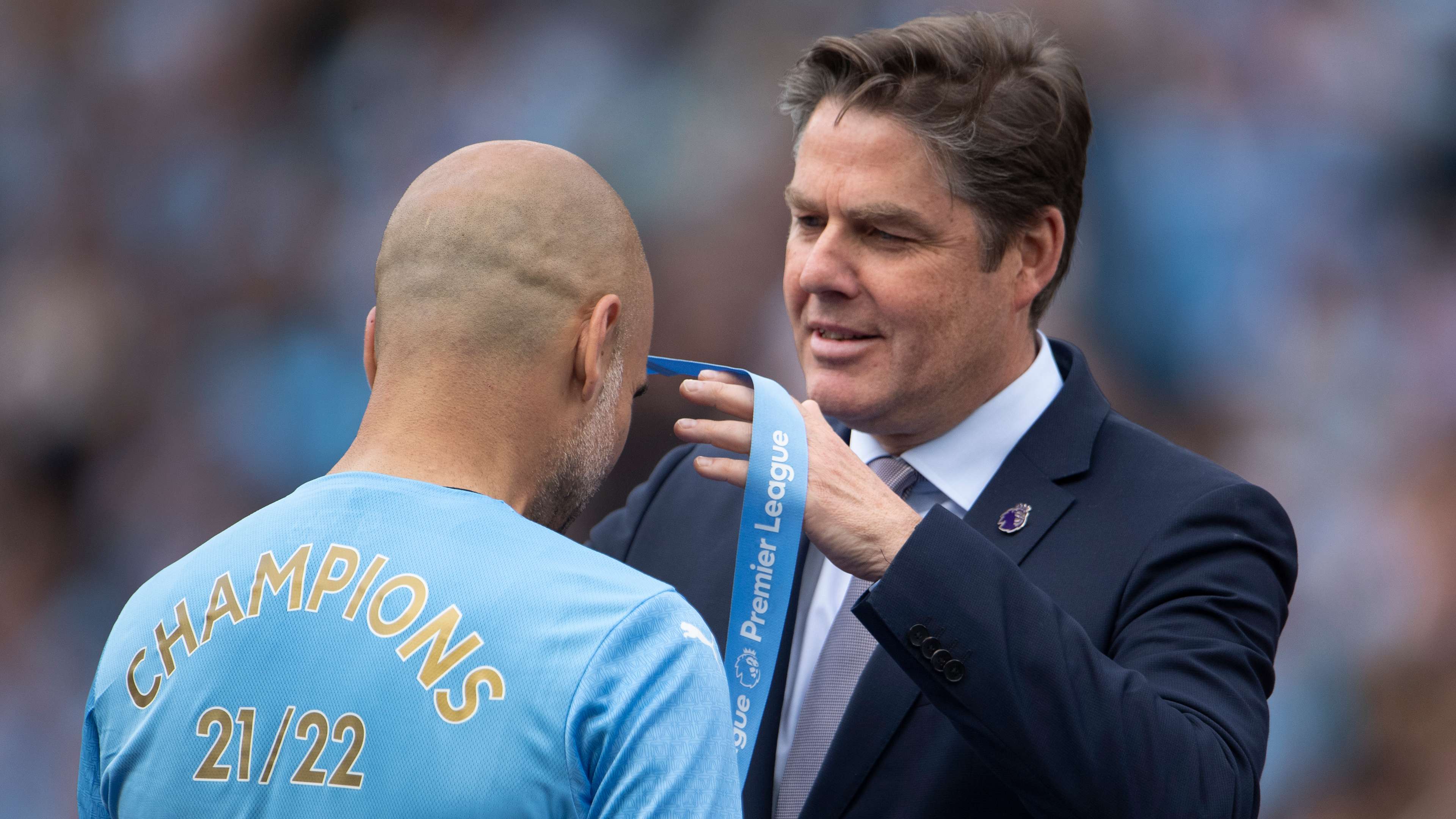
The potential fallout is particularly significant because Manchester City have enjoyed one of the most successful periods in English football since 2018. Under manager Pep Guardiola, the club have won six Premier League titles in seven seasons, including four consecutive championships. They have also claimed major domestic honours and completed a historic treble in the 2022–23 campaign, winning the Premier League, FA Cup and Champions League.
That record has helped strengthen City’s global standing, attract commercial attention and build a powerful sporting brand. It also means that questions about financial rules are closely connected to the club’s achievements. Some officials reportedly believe the years after 2018 have not received enough scrutiny, although the club’s results do not, by themselves, prove financial wrongdoing.
For football fans, the debate goes beyond one club. Financial regulations are intended to support fair competition, encourage responsible spending and ensure that commercial income is reported accurately. If a new inquiry were opened, it could prompt wider discussion about how sponsorship deals are assessed and how the league monitors relationships between clubs, owners and commercial partners.
Could a New Investigation Become Part of Sanctions Talks?
There is also a strategic dimension. Some officials are said to believe that the prospect of another investigation could influence discussions about the outcome of the existing case. In that scenario, the possibility of opening a second file might become a point of leverage as the league and club consider how to resolve the current proceedings.
Others, however, are concerned that launching another inquiry could prolong an already complicated process for years. They may prefer to wait for the appeal to conclude and for the current case’s final outcome to become clearer before deciding whether further action is justified.
The timing is especially sensitive because sanctions could have substantial consequences for City and the Premier League. Depending on the rules and the eventual findings, penalties in a major financial case can affect a club’s finances, sporting plans and reputation. No outcome should be treated as certain while the appeal remains ongoing.
Possible Sale Adds to the Uncertainty
Questions about a potential sale have added another consideration. A change in ownership could be voluntary or, in some circumstances, linked to regulatory developments. Any unresolved financial case may influence how prospective buyers assess the club, including the risk of future penalties, legal costs and reputational damage.
That does not mean a sale is imminent, nor does the reported possibility of further scrutiny establish that a buyer would be deterred. But uncertainty can complicate negotiations: potential investors typically seek clarity about outstanding claims, future liabilities and the stability of a club’s commercial model before committing to a major purchase.
What Happens Next?
For now, the immediate focus remains on Manchester City’s appeal against the independent commission’s findings. The club continue to maintain their innocence, while the Premier League must decide whether the information available justifies examining the post-2018 period separately.
Any prediction about the final outcome would be premature. The next steps will depend on the appeal process, the evidence considered by league officials and whether new material emerges. Until then, the case is likely to remain one of the most closely watched stories in English football—not only for its potential impact on Manchester City, but for what it may reveal about financial oversight, sponsorship valuation and competitive fairness across the Premier League.