
Barcelona’s Full-Back Revolution: Flick Looks for Midfield Qualities on the Flanks
Barcelona’s idea of a full-back is changing. Rather than relying solely on speed, overlapping runs and defensive recovery, Hansi Flick is increasingly looking for players who can think and operate like midfielders. The shift reflects the club’s long-standing preference for possession football, shaped by Johan Cruyff and later developed under Pep Guardiola.
According to Catalan newspaper Sport, the evolving approach is already visible in the development of young players such as Xavi Espart and Brian Farinas. Both began their careers in midfield before being converted into full-backs, giving them the close control, passing instincts and awareness of space that Barcelona want in those positions.
Farinas has made a particularly encouraging early impression. In his first appearances, he recorded a passing accuracy of 97.5% against Alaves and 93.6% against Aston Villa. Those figures point to more than safe distribution: he has also shown an ability to help Barcelona move the ball forward, connect with teammates and contribute to combinations near the opposition penalty area.
Why Barcelona want midfielders at full-back
In Flick’s developing system, a full-back is not simply expected to run up and down the touchline. The position can become an extra midfield role, especially when Barcelona have possession. A defender may move inside to support the central players, offer a passing option and help the team create a numerical advantage in the middle of the pitch.
That movement can make it harder for opponents to press Barcelona. If a full-back steps into midfield, the team gains another player in the build-up and can create passing triangles around the opposition’s first line of pressure. The extra option may also help Barcelona control the tempo, switch the point of attack or find a forward between the lines.
The concept has strong roots in Guardiola’s football. During his time at Barcelona, he helped redefine the full-back position by favouring players who were comfortable receiving the ball under pressure, making quick decisions and recognising when to move inside. Flick’s approach is not necessarily a direct copy, but it shares the same emphasis on technical ability and tactical intelligence.
That makes the full-back role more demanding. Players must judge when to hold their width, when to overlap and when to move into central areas. They also need to be alert to the defensive risks that come with leaving space behind them. For Barcelona, the ideal candidate is therefore not just a defender with stamina, but a flexible footballer able to interpret different phases of play.
Flick’s options and the competition for places
Espart and Farinas are not the only players who fit the profile. Flick is also reported to value the versatility of Eric Garcia, who can operate in defence or midfield and has shown an ability to read the game. Joao Cancelo is another technically gifted option, while his experience gives Barcelona a different kind of flexibility.
Having several players capable of adjusting their position could help the coach vary Barcelona’s build-up without changing the team’s overall shape. One full-back might move inside while the other stays wider, for example, allowing the wingers and midfielders to occupy different spaces. Such rotations can make the attack less predictable, though they require strong communication and careful defensive cover.
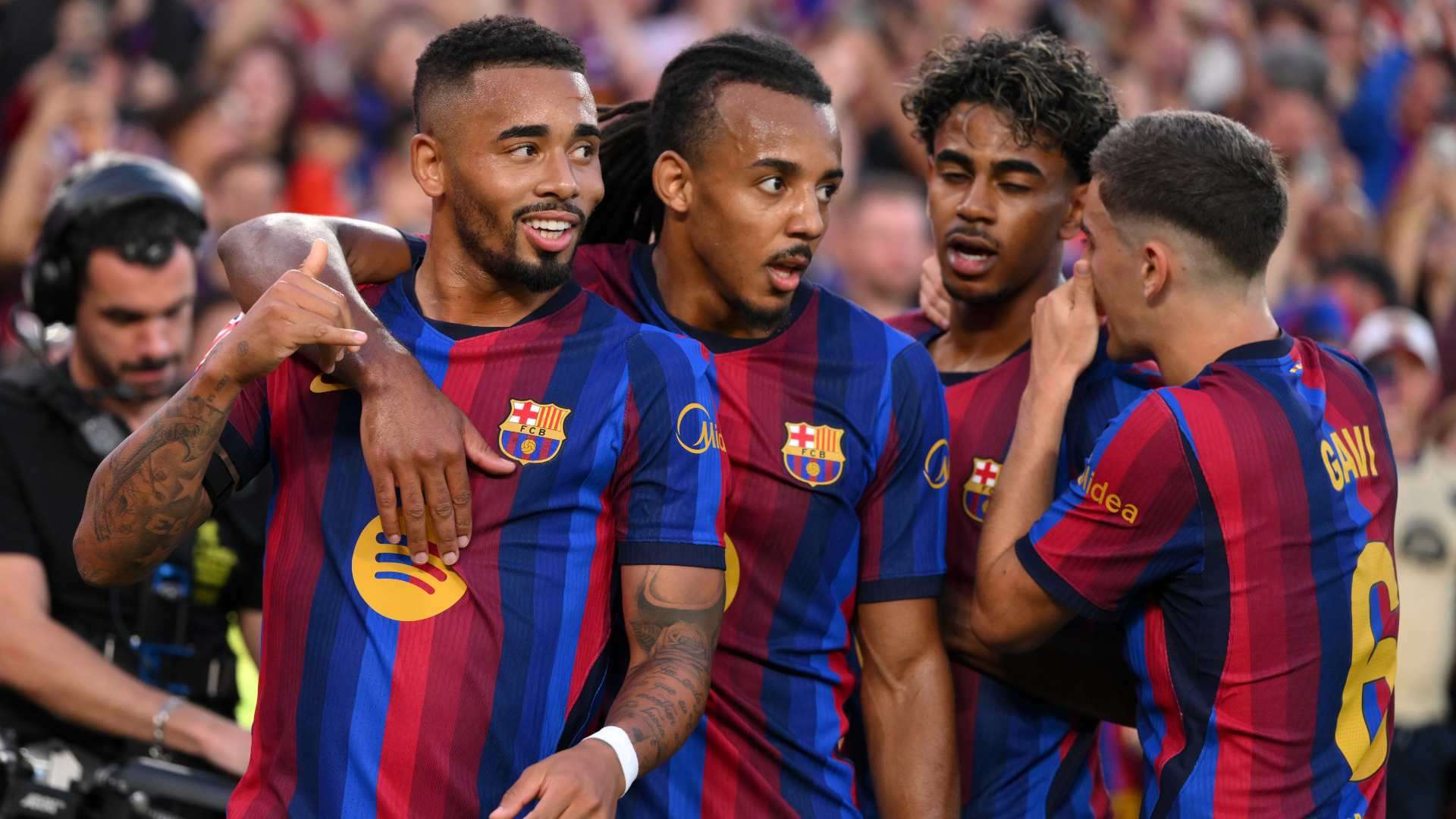
The change also raises questions about Jules Kounde and Alejandro Balde. Both remain important members of the squad, but their strengths do not always align neatly with the newer demands. Kounde has produced consistent performances for France, yet Flick’s expectations include a significant attacking contribution from the full-back position. How comfortably he can meet those requirements may influence his role.
Balde’s situation is more complicated. His pace and ability to surge past opponents once made him a major weapon on the left. In earlier attacking patterns, Raphinha’s movement into central areas could open space for Balde to advance on the outside. But when the winger stays wider, or when the full-back is asked to move inside, those familiar running lanes can disappear.
The presence of more conventional wide forwards, including Anthony Gordon and Karim Adeyemi in the tactical picture described by the report, can also affect the balance. Wingers who hold their position near the touchline may leave less space for an overlapping full-back, while an inverted full-back can end up occupying areas that previously belonged to a midfielder. The challenge is to make the roles complement one another rather than compete for the same space.
Winter transfer window could shape Barcelona’s plans
The tactical transition could become relevant when the winter transfer window opens. If suitable offers arrive, the report suggests that Barcelona may consider the futures of Kounde or Balde. Any decision, however, would need to account for the club’s demanding schedule and the value of having experienced players available across several competitions.
Barcelona cannot afford to build a squad around one narrow interpretation of the position. Fixture congestion, injuries and changes in opponent strategy make depth essential. Kounde and Balde may still provide qualities that younger or more midfield-oriented alternatives do not, while Espart and Farinas will need time to prove that their promising technical performances can translate into consistent senior-level football.
For supporters following Barcelona’s football, the key question is not simply who starts at full-back, but how the role changes from match to match. Flick may favour an inverted option against teams that press aggressively, then use a more traditional runner when Barcelona need to stretch a compact defence. That flexibility could determine whether the new system becomes a lasting identity or remains a situational adjustment.
Prediction: Barcelona are likely to continue testing midfield-style full-backs rather than make an immediate, wholesale change to their defensive line. Espart and Farinas could gain opportunities as the season progresses, while versatile players such as Eric Garcia and Cancelo offer Flick alternatives. Kounde and Balde are still valuable, but their long-term roles may depend on how effectively they adapt to a system that asks full-backs to contribute centrally as well as out wide.