

India’s Badminton Community Disappointed as Sport Dropped from Glasgow 2026 Commonwealth Games
The Commonwealth Games have always been a significant multi-sport event for India, often resulting in a successful medal haul for the country. However, the upcoming Glasgow 2026 Games have brought disappointment to India’s badminton community, as the sport has been dropped from the programme. Organizers cite cost management as the reason behind this decision, leaving many athletes and fans disheartened.
Impact on Indian Badminton
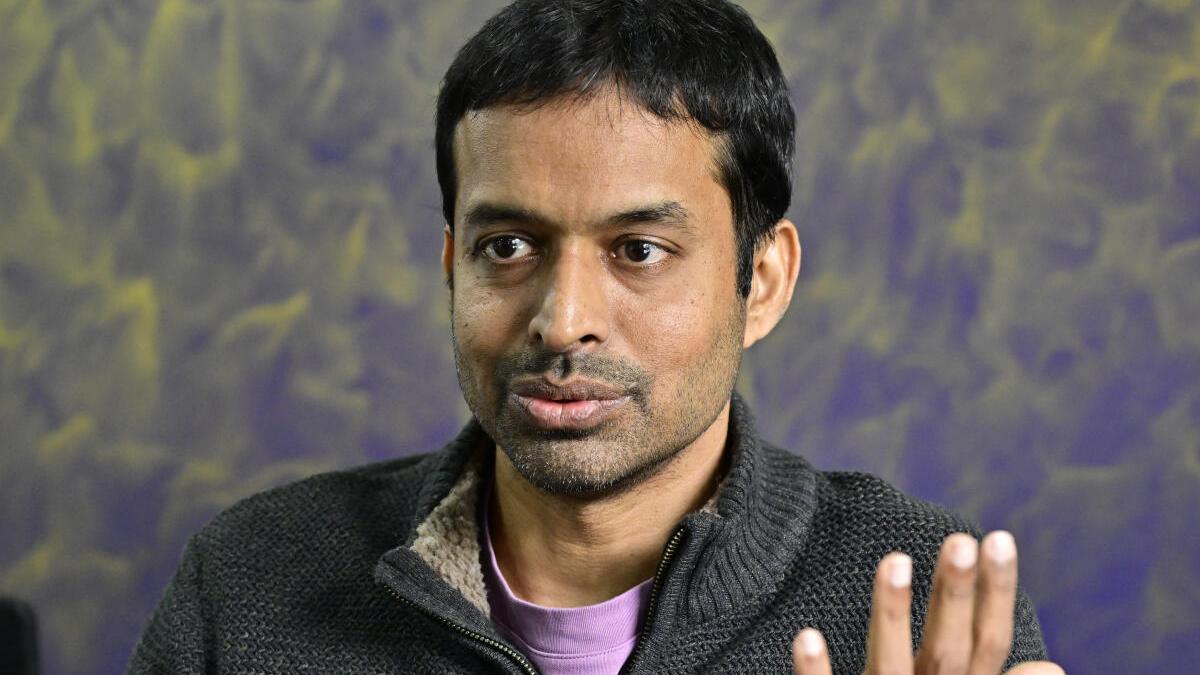
Chief national coach P. Gopichand expressed his disappointment at the exclusion of badminton from the Glasgow 2026 Commonwealth Games. He emphasized the importance of the event and the shock felt by the Indian badminton community. Despite this setback, Gopichand remains hopeful that badminton will make a return in future editions, particularly in the Ahmedabad Games. He highlighted the strength of Indian players and their potential to bring home medals in the future.
Gopichand also shared his perspective on the significance of the Commonwealth Games compared to other events like the Asian Games. He mentioned that the participation of countries like Australia, England, and Jamaica raises the standards of the Commonwealth Games, making it a crucial platform for athletes.
Evolution of Badminton
Aside from the exclusion from the Commonwealth Games, badminton has been undergoing changes within the sport itself. New proposals, such as a revised scoring system and trials with synthetic shuttlecocks, have been introduced, sparking mixed reactions within the badminton community.
Gopichand expressed his views on the new 3×15 scoring system, stating that the sport has been exciting in recent years without the need for such alterations. However, he acknowledged the potential benefits of using synthetic shuttlecocks to make badminton more sustainable in the long run.
Recognition of Badminton Players
The lack of recognition for badminton players in India has also been a point of discussion, particularly after the bronze medal-winning team returned to a subdued reception. Satwiksairaj Rankireddy’s comments on the issue sparked a debate, with Gopichand echoing the sentiment that players in various sports, including badminton, deserve more recognition and support.
Gopichand emphasized the importance of celebrating every win, big or small, to inspire young athletes and nurture future talent in the country. He noted the need for increased visibility and support for badminton players to ensure their performances are appreciated and valued.
In conclusion, the exclusion of badminton from the Glasgow 2026 Commonwealth Games has left a void in India’s sporting community. However, with strong players and dedicated coaches like P. Gopichand, the hope remains that badminton will continue to thrive and receive the recognition it deserves in the future.
Badminton’s Global Popularity
Despite the setback of being excluded from the Glasgow 2026 Commonwealth Games, badminton continues to gain popularity worldwide. The sport has a strong following in countries like China, Indonesia, Denmark, and Malaysia, where players have achieved great success on the international stage. India, too, has seen a surge in interest in badminton, with players like Saina Nehwal, P.V. Sindhu, and Kidambi Srikanth becoming household names.
Badminton’s appeal lies in its fast-paced nature, requiring agility, speed, and precision from players. The sport has evolved from being a casual backyard game to a competitive discipline played at the highest level in tournaments like the Olympics, World Championships, and All England Open.
Impact of COVID-19 on Badminton
The COVID-19 pandemic has had a significant impact on the world of sports, including badminton. Tournaments were canceled or postponed, training facilities were closed, and players had to adapt to new health and safety protocols. The disruption caused by the pandemic led to challenges for athletes in maintaining their form and mental well-being.
However, the badminton community showed resilience during these trying times, with players finding innovative ways to stay connected, train remotely, and engage with fans through social media. The enforced break also allowed athletes to focus on recovery, strategizing, and honing their skills for a strong comeback once competitions resumed.
Future Prospects for Badminton in India
While the exclusion of badminton from the Glasgow 2026 Commonwealth Games is disappointing, Indian players remain optimistic about their future in the sport. The success of players like Saina Nehwal, P.V. Sindhu, and others has inspired a new generation of talent to take up badminton and aim for excellence on the global stage.
Efforts are being made to improve infrastructure, coaching facilities, and grassroots development programs to nurture young talent across the country. Initiatives like the Khelo India Youth Games and the National Badminton Championships provide platforms for aspiring players to showcase their skills and progress in the sport.
Role of Corporate Support in Badminton
Corporate support plays a crucial role in the growth and development of badminton in India. Sponsorship deals, endorsements, and partnerships help players access resources, training opportunities, and exposure on a larger scale. Companies investing in badminton not only contribute to the success of individual players but also promote the sport at a national level.
Collaborations between corporate entities, sports associations, and government bodies can create a sustainable ecosystem for badminton in India. By working together to provide financial backing, infrastructure, and promotional activities, stakeholders can ensure that the sport continues to thrive and produce world-class athletes.
Conclusion
Despite the disappointment of badminton being dropped from the Glasgow 2026 Commonwealth Games, the sport’s future in India remains promising. With dedicated players, passionate coaches, and growing corporate support, badminton is poised to reach new heights of success and popularity in the coming years. By focusing on talent development, infrastructure upgrades, and international collaborations, India can further establish itself as a powerhouse in the world of badminton.


