
Ferran Torres’ PSG Goal Drought Raises Questions—but Luis Enrique Is Not Worried
Ferran Torres arrived at Paris Saint-Germain in blistering form, quickly becoming one of the most talked-about forwards in French football. Now, after eight consecutive matches without a goal, the Spain international is facing a familiar test: how to respond when the goals stop coming.
The contrast with his first weeks in Paris is striking. Torres scored seven times in his opening six appearances, a run that earned him Ligue 1 Player of the Month honors for September. His sharp finishing and energetic movement appeared to give PSG a major attacking boost. But since scoring against Marseille on September 20, he has been unable to find the net.
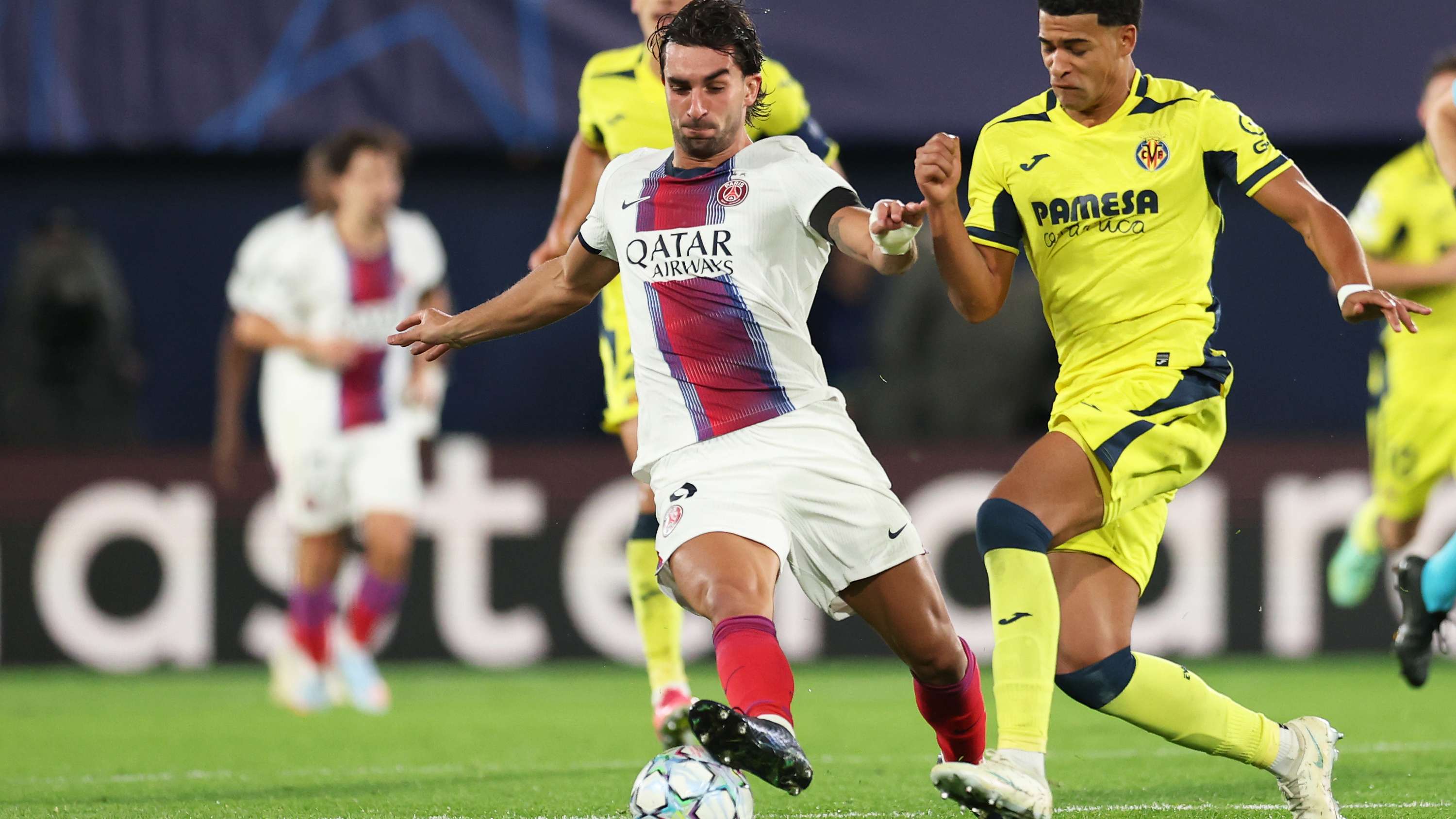
The drought has coincided with a difficult stretch for PSG’s forward line. Ousmane Dembélé and Khvicha Kvaratskhelia have both been sidelined, leaving the club short of two important attacking options. Torres might have been expected to take on a larger share of the scoring responsibility. Instead, Gonçalo Ramos, Mayulu and Kang-in Lee have contributed the goals, while Torres has occasionally watched from the bench during high-profile fixtures, including last Wednesday’s Champions League meeting with Villarreal.
A Bright Start Gives Way to a Familiar Challenge
Torres did not disappear from PSG’s attack entirely during the drought. He started Saturday’s narrow 1-0 victory over Troyes, created three chances and sent another attempt narrowly wide. Those contributions offered signs of involvement, even if the decisive finish remained elusive.
French coverage has suggested that a loss of confidence may be affecting the forward. When a striker goes several matches without scoring, each missed opportunity can attract greater attention, and the pressure to end the run can become part of the challenge. For Torres, the contrast between his early scoring rate and his current form has made the slump especially noticeable.
However, the pattern is not entirely new. Reporting by the Catalan newspaper Sport has pointed to similar spells during Torres’ time at Barcelona. His strong start in Paris raised expectations, but his career record shows a player whose scoring often comes in bursts rather than at a steady, match-by-match pace.
What Torres’ Career Numbers Reveal
Torres scored 13 goals in 36 appearances for Manchester City during the 2020–21 season. After moving to Barcelona, he recorded seven goals in his first full campaign and 11 in the following season. His later returns improved considerably: he scored 19 goals in 45 matches in 2024–25, then added 21 goals in 49 appearances in 2025–26.
Those totals underline his ability to be a productive forward over a full season. They also show why short-term goal droughts should be viewed in context. Even during his most effective campaigns, Torres’ scoring rate was closer to one goal every two or three matches than to the extraordinary pace of his first weeks at PSG.
Barcelona supporters have seen longer barren stretches. In 2024, Torres went 16 official matches without scoring, between January 21 and September 1. An injury kept him out for nearly two months during that period, complicating the picture. In another spell last season, he failed to score in 14 consecutive matches before ending the run with two goals against Espanyol on April 11. His longest drought at Barcelona reportedly lasted 20 matches during the 2022–23 season.
Why His Contribution Goes Beyond Goals
For coaches, a striker’s value is not measured only by the number of goals on the scoresheet. Torres’ movement can create space for teammates, while his willingness to run behind a defensive line gives PSG another way to stretch opponents. He also presses aggressively, helping the team attempt to win possession higher up the pitch.
Those qualities matter in a side balancing domestic football with the demands of the Champions League. A forward who occupies defenders, makes repeated runs and helps trigger the press can influence a match even when he does not score. His three chances created against Troyes, for example, suggest he was still involved in PSG’s attacking play despite the continuing drought.
That does not mean finishing is unimportant. PSG need goals from their forwards, particularly while key attackers are unavailable. But judging Torres solely by his latest run without a goal risks overlooking the work that can help create opportunities for the team as a whole.
Luis Enrique Backs His Striker
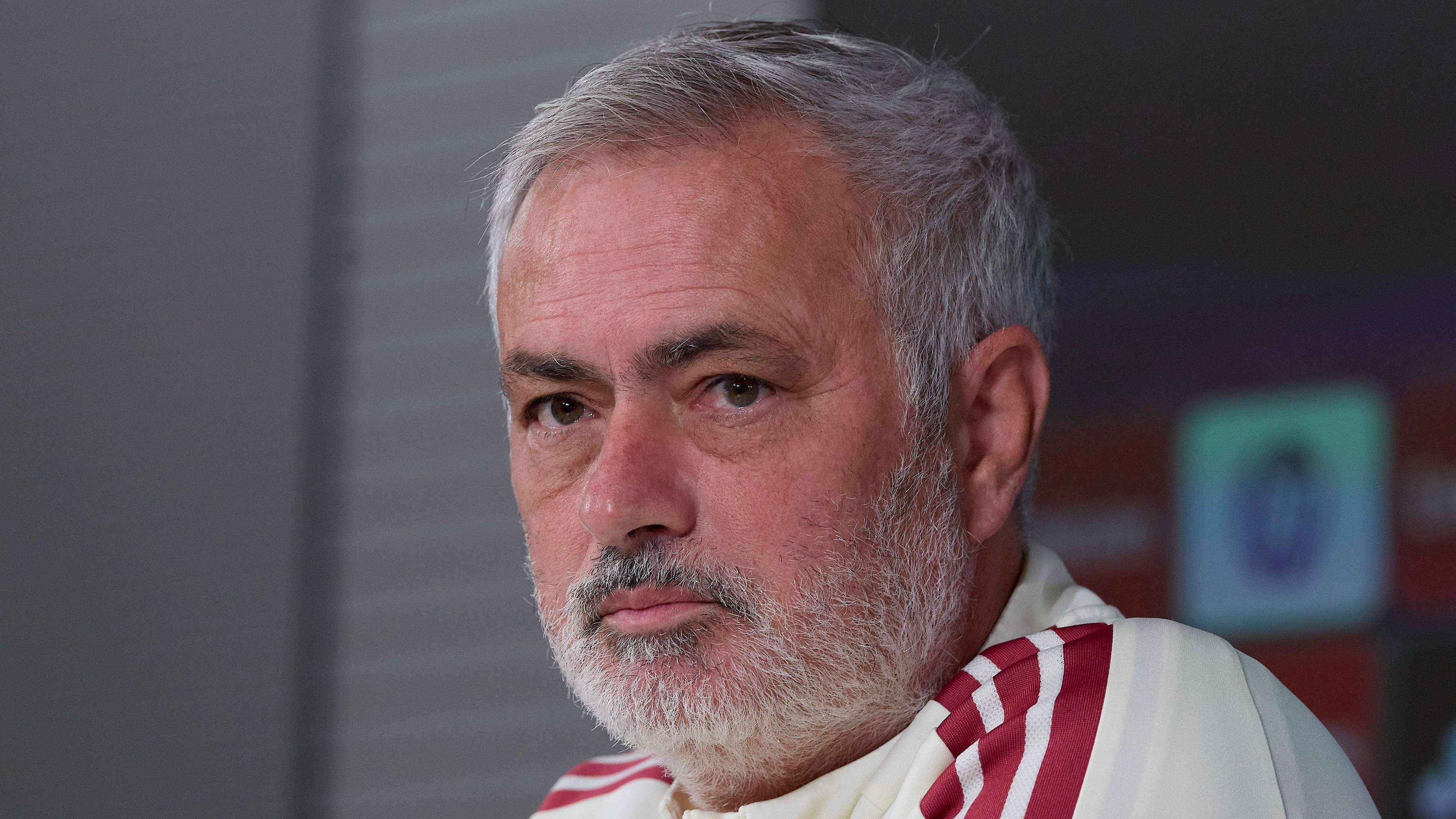
PSG coach Luis Enrique has shown little public alarm about Torres’ form. At a recent press conference, he pushed back against the tendency to focus on whichever forward happens to be going through a difficult spell.
“Everyone was worried about Mika Mayulu, and now about Ferran,” Enrique said. “Strikers are the ones who miss chances and score goals.” He added that what matters most to him is that his forwards continue to reach good scoring positions and create significant opportunities.
The coach’s comments offer a clear indication of how PSG may assess the situation: chance creation and movement remain important signs, even when the final touch is missing. If Torres continues to get into dangerous areas, a goal could be enough to restore confidence and shift the conversation quickly.
Prediction: A Response Is Possible, but Patience Matters
There is no guarantee that Torres will end his drought in PSG’s next match. Football rarely follows a neat script, and a striker’s return to form can depend on the quality of service, the opponent’s defensive approach and the player’s confidence in front of goal. Still, his early-season scoring burst and strong recent career totals suggest that the current spell need not define his campaign.
PSG’s immediate challenge is to keep their attack productive while Dembélé and Kvaratskhelia remain unavailable. Ramos, Mayulu and Lee have helped fill the gap, but Torres’ movement and experience give Enrique another option as the schedule intensifies. If he keeps creating chances and contributes to the team’s pressing game, his role may remain significant even before the goals return.
For Torres, the next step is straightforward but demanding: stay involved, keep making the runs and take the next clear opportunity with conviction. His history shows that prolonged droughts can eventually end—and sometimes with more than one goal at a time.