
French Police Investigate Suspicious Betting Around Ballon d’Or Results
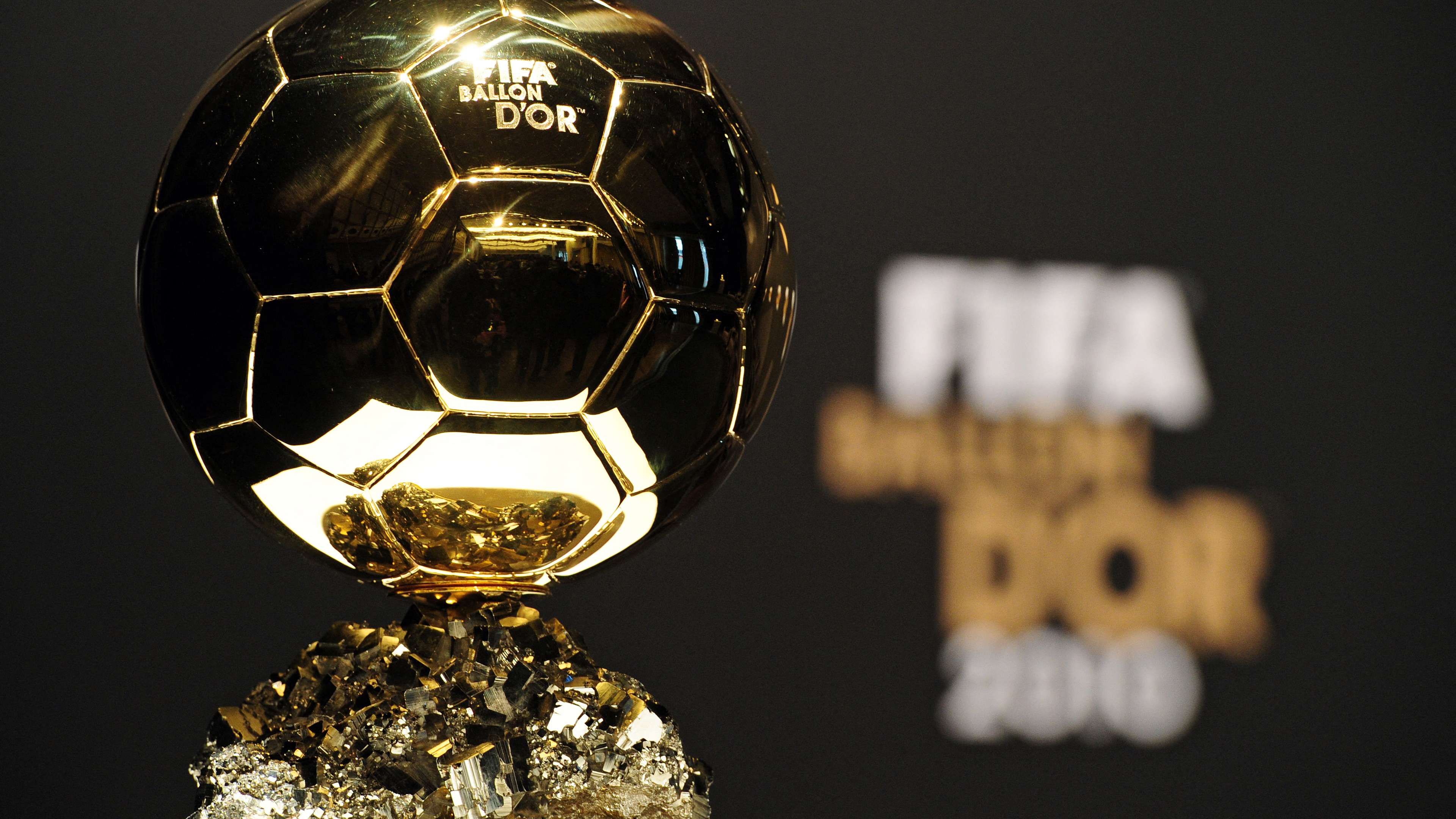
French police are investigating alleged irregularities in sports betting linked to the Ballon d’Or ceremony held in London at the end of October. The inquiry follows reports that several cryptocurrency-based prediction market accounts correctly forecast the award’s top five finishers—and did so in the exact order—before the results were announced.
The claims have raised questions about whether confidential voting information may have been shared in advance. France Football, the magazine responsible for the award, has also opened an investigation and contacted France’s gambling regulator. No official conclusion has been announced, and the available information does not establish that a result was leaked or that any individual committed a crime.
Prediction market bets draw attention
An anonymous police source confirmed to The Athletic that investigators are examining activity involving 12 accounts on Polymarket, a US-based prediction market that uses cryptocurrency. According to the report, each account backed the same five players in the same finishing order: Harry Kane first, followed by Kylian Mbappé, Lamine Yamal, Rodri and Lionel Messi.
The reported bets had a combined stake of approximately €250,000 and generated a net profit of around €200,000. The timing and accuracy of the wagers have attracted scrutiny, particularly because the contest between Kane and Mbappé was reportedly close. A precise prediction of the entire top five would be notable in any year; repeated across multiple accounts, it has prompted authorities to examine whether the betting activity was simply an unusually successful forecast or something more concerning.
Prediction markets allow users to trade contracts tied to the likelihood of future events. In this case, the accounts reportedly placed bets on the final ranking of one of football’s most prominent individual awards. Such markets can attract participants seeking to anticipate outcomes using public information, but they can also create concerns when a result depends on confidential ballots or other non-public details.
France Football says the award’s integrity is a priority
France Football was reportedly aware of suspicious Polymarket activity before the ceremony. The publication has since launched its own inquiry and involved the French gambling regulator, according to The Athletic.
“The integrity of the Ballon d’Or is an absolute priority for France Football,” a spokesperson said, as quoted in the report. The magazine said it takes allegations of advance result disclosure and potentially criminal betting activity seriously, adding that investigations are under way to establish what happened and identify any responsible parties.
Police and award organisers have not released further details while their inquiries continue. It is not yet clear how long the investigations will take, whether the accounts can be linked to specific individuals, or whether authorities have found evidence connecting the bets to anyone involved in the voting or event. Until more information is made public, the reported wagers remain allegations under examination rather than proof of wrongdoing.
Questions about Ballon d’Or voting secrecy
The betting reports have also brought renewed attention to how the Ballon d’Or result is protected before the ceremony. Pascal Ferré, the former long-serving editor-in-chief of France Football, recently told RMC Sport that procedures had changed from 2024 onward to make it harder for the winner’s identity to emerge early.
Ferré said that nominees are treated equally and that the winner is no longer informed in advance. He described a process in which the result is shared with as few people as possible and kept secret until the final moment. He also recalled using deliberate misdirection in the past, including leaving false rankings around the magazine’s newsroom to encourage speculation and confuse people trying to identify the winner.
Those comments were intended to explain the magazine’s efforts to protect the award’s secrecy. However, reports that the voting results may have circulated before the gala have raised questions about whether the safeguards worked as intended in this case. The distinction is important: a highly accurate betting pattern can prompt an investigation, but it does not by itself show how the information was obtained—or whether it came from a leak at all.
A history of pre-ceremony speculation
Ballon d’Or results have long attracted intense attention from football fans, journalists, clubs and betting markets. Predictions often build around a player’s performances, trophies, goals and influence during the season. When a result is close, however, speculation can become especially heated, and unofficial reports may circulate before the ceremony.
The award has also experienced public controversy over its voting outcomes. Real Madrid boycotted the 2024 ceremony after learning shortly beforehand that Vinícius Júnior, who had been widely viewed as a leading contender, would not win. That episode came before the rule changes Ferré described and illustrated how sensitive clubs and players can be to the perceived handling of the result.
In the current case, the reported prediction placed Kane ahead of Mbappé, with Yamal, Rodri and Messi completing the top five. The investigation may ultimately determine whether the accounts relied on public analysis, unusual luck, shared information or another explanation. For now, neither police nor France Football has publicly confirmed that the ranking was leaked.
What the investigation could mean for football betting
The case highlights a broader challenge for sports organisations as online betting and prediction platforms make it easier to wager on events beyond match scores. Awards, transfers and other football-related decisions can also become betting subjects, even when outcomes depend on private voting processes rather than a contest played on the pitch.
For regulators, a central question will be whether the betting activity breached any laws or platform rules and whether users had access to confidential information. For France Football, the inquiry is an opportunity to review how ballots, rankings and internal communications are handled. Any confirmed weakness in those procedures could lead to tighter controls around access to results and the timing of information shared with staff or nominees.
The next steps remain uncertain. Investigators have not disclosed a timetable, and France Football has not announced any changes to its voting process. Until the authorities establish the facts, the most responsible conclusion is that the unusual bets have triggered legitimate scrutiny—but the circumstances behind them are still unknown.