
Portuguese Star Cristiano Ronaldo Faces Criticism Ahead of 2026 World Cup
Former Liverpool Goalkeeper Brad Friedel Raises Concerns
As the football world gears up for the much-anticipated 2026 World Cup set to be held across the United States, Canada, and Mexico, one name that continues to dominate headlines is Cristiano Ronaldo. The Portuguese star, who is widely expected to feature in what could be his swan-song World Cup, has recently come under fresh criticism from former Liverpool goalkeeper Brad Friedel.
Friedel, who also had a successful stint at Tottenham during his playing career, expressed his concerns about Ronaldo’s potential impact on the Portuguese national team during the tournament. In an interview with Portuguese newspaper A Bola, Friedel pointed out that while Ronaldo may still be in good physical shape, his style of play has evolved in a way that could potentially hinder the team’s overall performance.
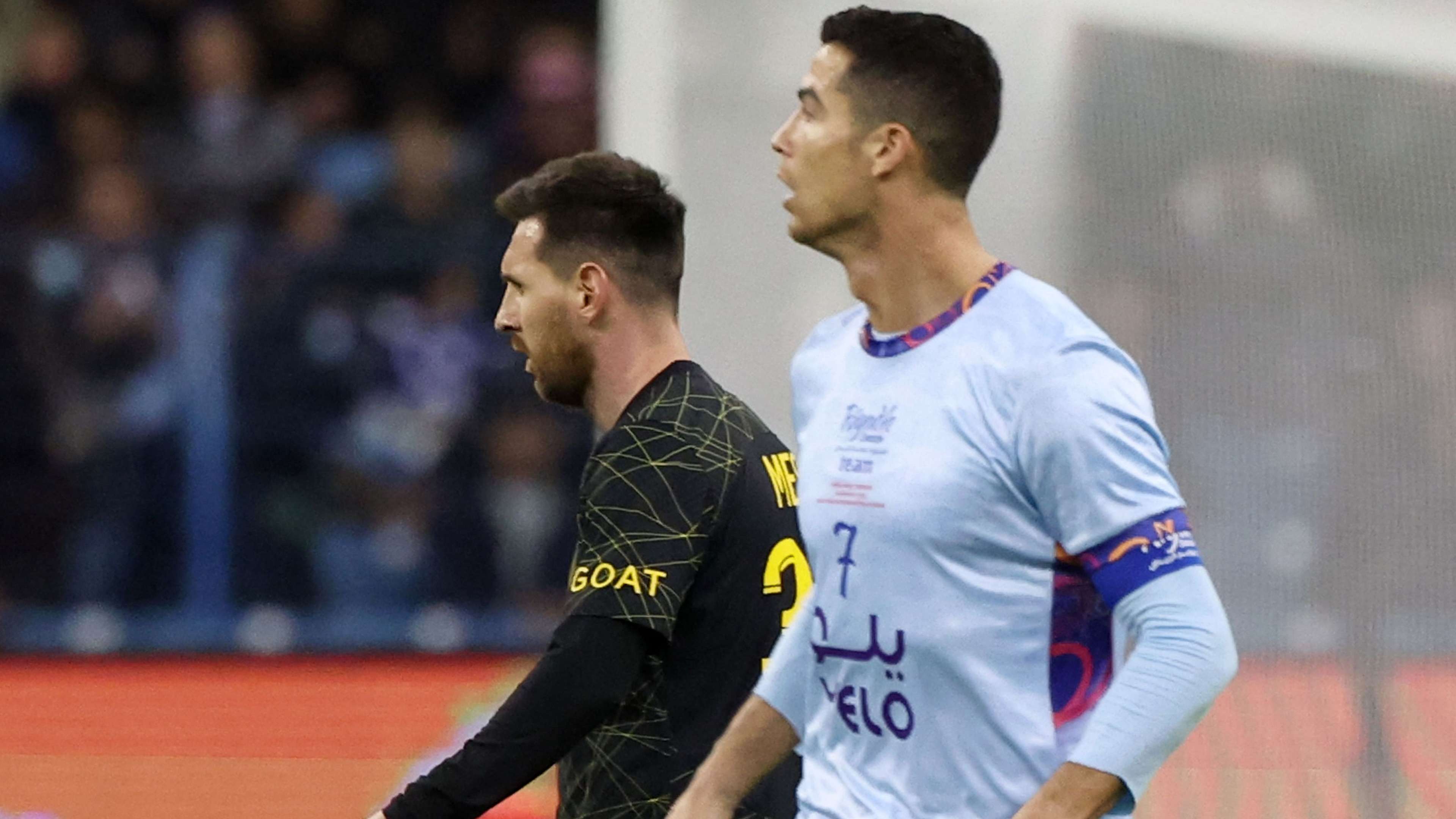
Despite acknowledging Ronaldo’s undeniable talent and contribution to football over the years, Friedel emphasized the importance of considering the team’s dynamics and tactical approach. He compared Ronaldo’s situation to that of Argentina’s Lionel Messi, who currently captains Inter Miami in the Major League Soccer.
Friedel highlighted Messi’s ability to not only score and assist but also adapt to different game situations, making him a valuable asset to his national team. On the other hand, he raised concerns about Ronaldo’s defensive capabilities, suggesting that leaving him on the bench could spark controversy and distractions during the tournament.
The Dilemma for Portugal’s National Team
With Portugal drawn in Group 11 alongside the Democratic Republic of Congo, Uzbekistan, and Colombia, the debate over Ronaldo’s role in the team becomes even more crucial. Friedel posed a challenging question to the team’s manager, questioning whether they can afford to defend against top teams with only 10 men if Ronaldo is unable to contribute defensively.
While acknowledging Ronaldo’s legendary status in football, Friedel emphasized the need for a strategic approach that maximizes the team’s strengths and minimizes potential weaknesses. He pointed out that Messi’s playing style has historically allowed him to focus more on attacking, thanks to the team’s structure that supports his movements on the pitch.
As the football world eagerly awaits the 2026 World Cup, the spotlight remains on how Portugal will navigate the challenges posed by Ronaldo’s presence in the team. With opinions divided on the impact of the Portuguese star, all eyes will be on the managerial decisions leading up to the tournament.
Stay tuned for more updates and analysis on the latest developments in the world of football.
Portugal’s Tactical Adaptations
As Portugal prepares for the 2026 World Cup, the debate surrounding Cristiano Ronaldo’s role in the national team raises important questions about tactical flexibility and adaptation. Managerial decisions will play a crucial role in determining how Portugal can leverage Ronaldo’s strengths while mitigating any potential weaknesses.
One possible approach could involve modifying Portugal’s formation to accommodate Ronaldo’s playing style. By incorporating a system that provides defensive cover for Ronaldo, the team can maintain balance on the field without compromising its attacking prowess. This strategic adjustment would not only benefit Ronaldo but also create opportunities for other players to shine in complementary roles.
Furthermore, Portugal could explore different game plans depending on the opponent. Against stronger teams that pose a significant threat, the team may opt for a more defensively solid lineup, allowing Ronaldo to focus on exploiting counter-attacking opportunities. Conversely, against weaker opposition, Portugal could adopt a more aggressive approach that maximizes Ronaldo’s goal-scoring instincts.
Ronaldo’s Leadership and Influence
Beyond his on-field performance, Cristiano Ronaldo’s leadership qualities and influence in the Portuguese national team cannot be understated. His sheer presence in the squad commands respect and inspires his teammates to elevate their game to match his standards. Ronaldo’s experience on the biggest stages of football can serve as a guiding light for younger players looking to make an impact at the World Cup.
Ronaldo’s work ethic and dedication to his craft set a positive example for the entire team, instilling a winning mentality that can be infectious in high-pressure situations. His ability to lead by example both on and off the pitch makes him an invaluable asset for Portugal, especially in crucial moments where composure and confidence are essential.
Offensive Versatility and Strategic Depth
While concerns have been raised about Cristiano Ronaldo’s defensive contributions, his offensive versatility and strategic depth should not be overlooked. Ronaldo’s ability to score goals from various positions and situations makes him a constant threat to opposing defenses, forcing them to allocate resources to contain him.
Portugal can leverage Ronaldo’s goal-scoring prowess to create space and opportunities for other attacking players to flourish. By drawing defenders towards him, Ronaldo opens up gaps that can be exploited by his teammates, leading to a more dynamic and unpredictable offensive strategy. This tactical advantage could prove decisive in breaking down stubborn defenses and unlocking scoring opportunities in crucial moments.
As Portugal navigates the challenges posed by Cristiano Ronaldo’s presence in the team, the 2026 World Cup promises to be a fascinating showcase of tactical ingenuity and strategic adaptation. With the eyes of the football world fixed on Ronaldo and his quest for World Cup glory, the stage is set for an exciting tournament filled with twists and turns.
Stay tuned for more updates and analysis as Portugal prepares to make its mark on the global stage in 2026.